Continental Breakfast

By: Simon
July 20, 2026 | Updated: July 22, 2026


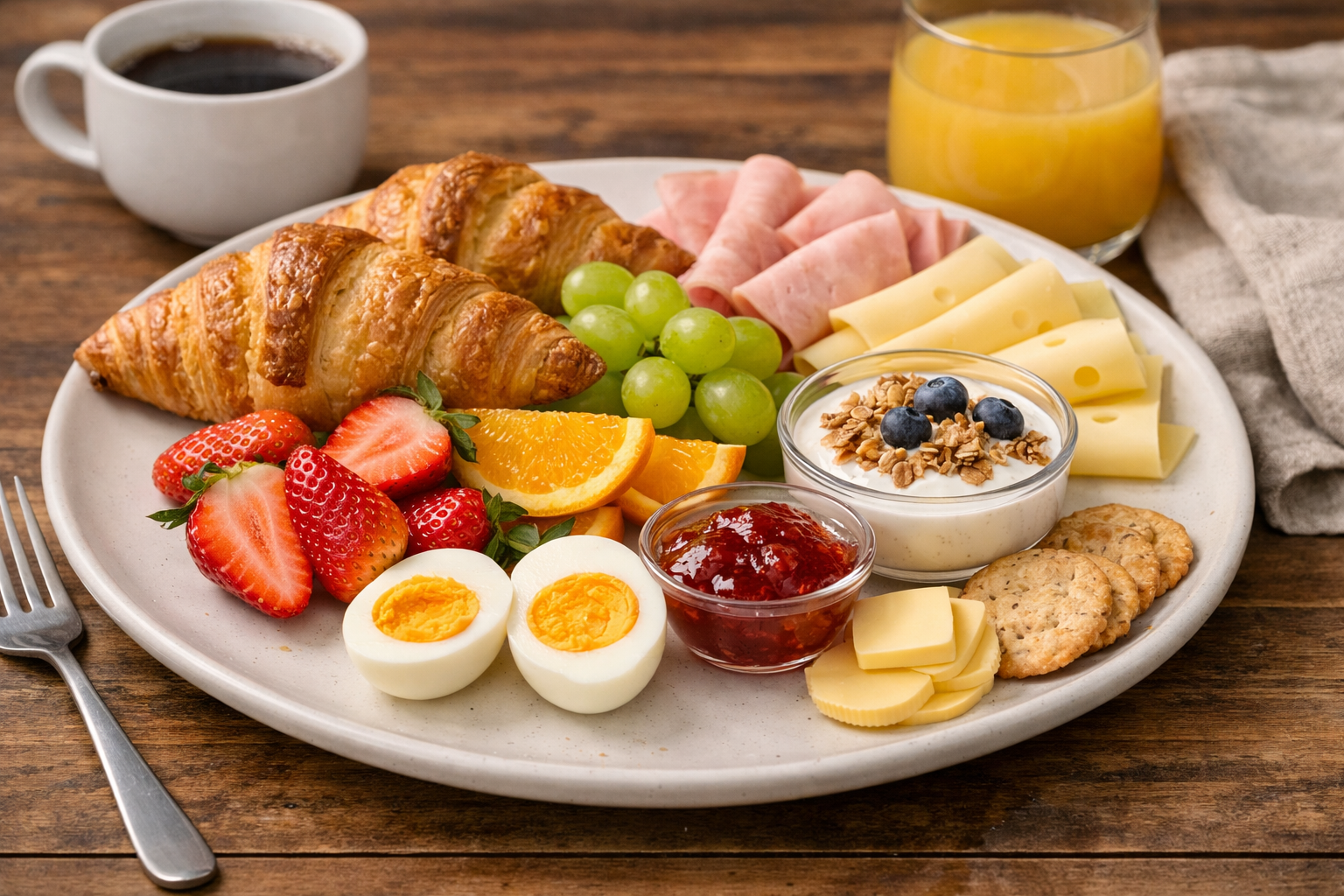
These are the countries that define the term “Continental breakfast,” paring down the morning meal to the absolute minimum of stimulant and sustenance: coffee and bread. France, Italy, Belgium, and Luxembourg each have their own variations on this theme, but the essence remains the same — a light, elegant start to the day built around quality ingredients and simple pleasures.
France: Le Petit Déjeuner
In France, the morning meal is called le petit déjeuner — literally “the little breakfast” — and the name captures the French approach perfectly. The most common coffee choice is café au lait, served in a large ceramic bowl, although there are those who opt for black coffee, tea, or hot chocolate. The bread is usually a croissant, brioche, or slice of toast, served with butter and preserves.
The French typically do not eat a cooked breakfast. Instead, le petit déjeuner consists of tartines (slices of baguette with butter and jam) or viennoiseries (pastries like croissants and pains au chocolat), accompanied by a hot beverage. The croissant itself, despite its iconic association with France, actually originated in Austria (the kipferl) before being adopted and perfected by French bakers in the 19th century.
Italy: La Prima Colazione
In Italy, breakfast is called la prima colazione and follows a similar light pattern. The coffee choice is most likely to be cappuccino, caffè nero (black espresso), tè (tea), or latte al cacao (hot chocolate). Italians famously never drink cappuccino after 11 a.m., considering it purely a breakfast beverage. The accompanying pastry is typically a croissant (called cornetto in Italian), brioche, or a slice of toast with butter and jam.
Italian breakfast is notably lighter than even the French version. A typical Italian breakfast might consist of just a cappuccino and a cornetto consumed standing at a café bar — a quick, efficient start to the day. The quality of the coffee is emphasized above all else, and the espresso-based breakfast beverages are prepared with a precision that borders on ritual.
Belgium and Luxembourg
In Belgium and Luxembourg, the French name petit déjeuner is used, though in Luxembourg the local word is kaffidrénken (literally “coffee drinking”). The meal follows the same continental pattern: bread or pastries with butter and preserves, accompanied by coffee, tea, or hot chocolate. Belgium, of course, brings its world-famous chocolate to the breakfast table, and Belgian waffles — though more commonly associated with street food than with breakfast — occasionally appear in the morning meal.
The Continental Breakfast Goes Global
The term “continental breakfast” was coined in Britain to describe the lighter breakfasts found on the European continent, in contrast to the hearty English breakfast. The term was adopted by hotels worldwide to describe a simple breakfast offering of baked goods, fruit, coffee, and juice.
Today, the continental breakfast is a staple of hotels and cafés around the world. Its enduring appeal lies in its simplicity: quality bread or pastries, good coffee, and the civilized pleasure of a light morning meal that doesn’t overwhelm the appetite, leaving room for lunch. Browse all breakfast traditions. Before this, explore Chinese Breakfast with its congee and dim sum. Next, read about Croissants, the iconic Viennese-French pastry.
Continental Breakfast Video
Featured articles
Explore rich culinary stories, exclusive chef interviews, and expert insights from kitchens around the world. Discover cooking techniques, ingredient spotlights, and behind-the-scenes looks at the tools that shape global cuisine.
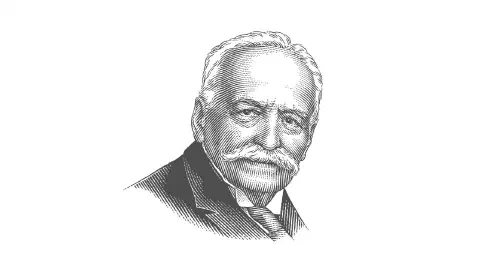
Georges Auguste Escoffier: Visionary Chef Who Revolutionized French Cuisine and Modern Cooking
Discover the life and legacy of Georges Auguste Escoffier, the legendary chef who transformed French cuisine and laid the foundation for modern culinary arts. This comprehensive historical profile …

How to Use a Knife, Fork, and Spoon
Master the basics of Western table etiquette with this guide to using a knife, fork, and spoon. Learn practical tips, cultural context, and the subtle rules that shape how we dine.

The History of Chocolate
Trace the fascinating history of chocolate, from its ancient origins with the Olmecs and Maya to its transformation into a global indulgence. Explore how cacao evolved from sacred ceremonial drink to …
Georges Auguste Escoffier: Visionary Chef Who Revolutionized French Cuisine and Modern Cooking
Discover the life and legacy of Georges Auguste Escoffier, the legendary chef who …
How to Use a Knife, Fork, and Spoon
Master the basics of Western table etiquette with this guide to using a knife, fork, and …
The History of Chocolate
Trace the fascinating history of chocolate, from its ancient origins with the Olmecs and …