Chinese Breakfast

By: Simon
July 20, 2026 | Updated: July 22, 2026

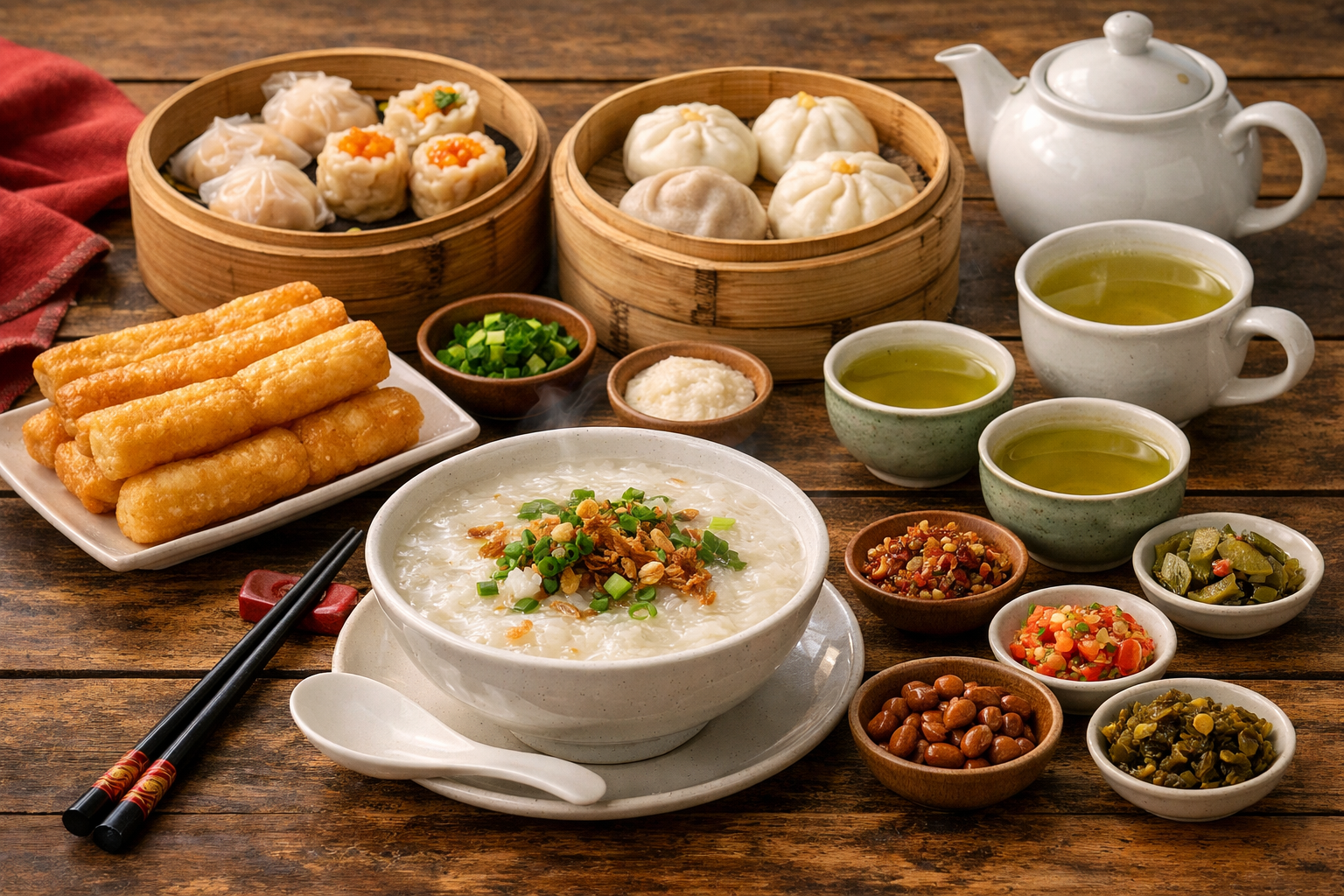
The breakfast hour in China is very early. In most areas, the foods eaten are the same as at lunch and dinner — primarily a grain, often rice, supplemented with small amounts of vegetable and meat dishes. Tea is drunk throughout the day, although often not at meals. But China’s vast culinary landscape means that breakfast traditions vary enormously from region to region.
Congee: The Great Morning Bowl
One of the most widespread Chinese breakfast foods is congee (jook in Cantonese), a savoury rice porridge that can be served plain or loaded with a variety of toppings. In Canton in particular, congee is considered a primarily breakfast choice, often found in the context of the famous dim sum tradition.
Congee has been a staple of Chinese cuisine for over two thousand years. It is made by simmering rice in a large amount of water until it breaks down into a thick, creamy porridge. The toppings vary by region: preserved egg and shredded pork in Cantonese-style congee, sliced fish in Hokkien-style, or simply served plain with pickled vegetables and fried dough sticks (youtiao) in northern China.
Dim Sum: The Cantonese Breakfast Tradition
In the Cantonese-speaking regions of southern China, including Hong Kong and Guangdong province, breakfast is often synonymous with dim sum. Dim sum consists of a wide variety of small dishes served from bamboo steamers, including har gow (shrimp dumplings), siu mai (pork and shrimp dumplings), char siu bao (barbecue pork buns), and hundreds of other varieties. The tradition of yum cha (drinking tea) with dim sum originated along the Silk Road and evolved into the elaborate brunch tradition that is now beloved worldwide.
Regional Varieties
China’s breakfast table reflects the country’s remarkable regional diversity:
- Northern China: In Beijing and the north, breakfasts tend to be heartier and wheat-based. Jianbing — a savoury crepe filled with egg, scallions, cilantro, and crispy wanton, slathered with hoisin and chili sauce — is a beloved street breakfast. Shaobing (sesame flatbread) and youtiao (deep-fried dough sticks) are also popular.
- Shanghai and Eastern China: Breakfast often features sheng jian bao (pan-fried pork buns), xiaolongbao (soup dumplings), and cifan tuan (sticky rice rolls filled with pickled vegetables and fried dough).
- Sichuan and Western China: Spicy dan dan noodles and hong you chaoshou (chili oil wontons) sometimes appear at the breakfast table, reflecting the region’s bold flavours.
- Hong Kong and Guangdong: The dim sum tradition reigns supreme, with morning tea houses packed with families enjoying steaming baskets of dumplings and buns accompanied by bo lei (pu-erh) or jeung ngow (jasmine) tea.
Modern Chinese Breakfast
Today, Chinese breakfast culture continues to evolve. In urban centres, Western-style breakfasts have become increasingly common, but traditional breakfast foods remain deeply popular. Street vendors across China serve jianbing, youtiao, and doujiang (soy milk) to morning commuters, while dim sum restaurants in Hong Kong and abroad continue to draw crowds for weekend yum cha sessions.
From the simple comfort of a bowl of congee to the elaborate artistry of dim sum, Chinese breakfast offers a window into one of the world’s great culinary traditions. Visit our breakfast hub for more morning meals. Previous: Central American Breakfast, with its gallo pinto and chocolate traditions. Next: Continental Breakfast, the light European style defined by France and Italy.
Chinese Breakfast Video
Featured articles
Explore rich culinary stories, exclusive chef interviews, and expert insights from kitchens around the world. Discover cooking techniques, ingredient spotlights, and behind-the-scenes looks at the tools that shape global cuisine.
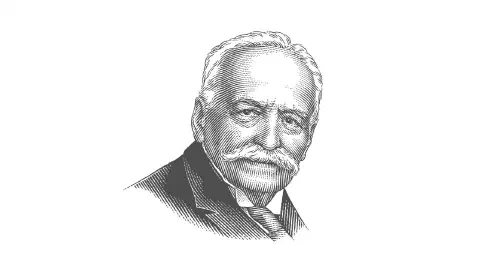
Georges Auguste Escoffier: Visionary Chef Who Revolutionized French Cuisine and Modern Cooking
Discover the life and legacy of Georges Auguste Escoffier, the legendary chef who transformed French cuisine and laid the foundation for modern culinary arts. This comprehensive historical profile …
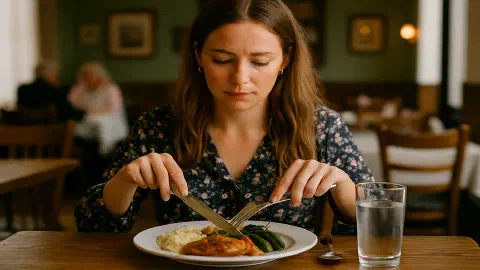
How to Use a Knife, Fork, and Spoon
Master the basics of Western table etiquette with this guide to using a knife, fork, and spoon. Learn practical tips, cultural context, and the subtle rules that shape how we dine.

The History of Chocolate
Trace the fascinating history of chocolate, from its ancient origins with the Olmecs and Maya to its transformation into a global indulgence. Explore how cacao evolved from sacred ceremonial drink to …
Georges Auguste Escoffier: Visionary Chef Who Revolutionized French Cuisine and Modern Cooking
Discover the life and legacy of Georges Auguste Escoffier, the legendary chef who …
How to Use a Knife, Fork, and Spoon
Master the basics of Western table etiquette with this guide to using a knife, fork, and …
The History of Chocolate
Trace the fascinating history of chocolate, from its ancient origins with the Olmecs and …