Northern Italy

By: Simon
September 2, 2025 | Updated: February 17, 2026


Features
- No features available
Pros & Cons
Pros
- No pros available
Cons
- No cons available
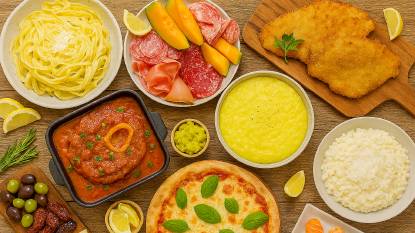
Italy blossoms into a flower in the North, where the Po Valley gradually rises into the imposing Alps. Liguria, Piedmont, Lombardy, and Tuscany are among the regions that make up the famous fertile area. In Emilia-Romagna, the region’s culinary heart beats, and in Venice, at the region’s eastern edge, the show is always on and Northern Italy claims to be the pinnacle of Italian Cuisine.
This is the land of Austrian and French influence, of hard-working and reserved Italians, of ancient estates with hills covered with orchards, of industrial cities, of rich soil, of excellent wines and cheeses.
Pasta is a side show in northern Italy – rice, polenta and beans are the regnant food trio in the region’s dishes. Rice, since its introduction by the Arabs in the 16th century, has been grown with great success throughout the area, especially in Lombardy.
Arborio, used to make risotto, is perhaps the most well known Italian rice, but is only one of many varieties. This is also pig-friendly country, and the hams and sausages are superb. Pork and polenta were traditionally dubbed the king and queen of the peasant table…and an inseparable, if dubiously regal, couple they were.
Polenta, or corn-meal mush, is as old as the Etruscans, who didn’t use corn, but buckwheat and other flours, and has long been denigrated as the despised food of poverty.
Anyone, however, who has recently been served a pair of perfectly braised quail in wine and herb sauce atop a grilled slice of polenta knows that it has been resuscitated. No longer banished to the maid’s quarters, polenta has taken center stage. The perfectly neutral taste makes it a most pliable cooking item. Much like pasta, it can take many forms and host many other foods.
Beans, the third in the trio, can be found in the hundreds of amazing soups for which this region is renowned. The game in the hills goes down smoothly with the many types of wild mushrooms and the wines of Piedmont and Veneto.
Just as Dante executed a kind of coup…claiming de facto by his masterpiece the Commedia, that the local Florentine dialect was henceforth to be known as THE Italian vernacular…so Florentine cooking, especially that of the early Renaissance, has become the resonant voice of Italian food in European history.
Great Florentine cooking blossomed, appropriately, in the same cultural garden as did Giotto, Boccaccio, and Petrarch. In fact, Florentine feasts were major cultural happenings – various courses were interspersed with performances by actors, dancers, or musicians.
The table provided an occasion for visual artists to create elaborately wrought sculptures and dioramas out of butter, sugar, ice, and even napkins (which sometimes were folded so as to release a live bird or other creature when unfolded by the guest).
Despite the over-the-top performances of the feast, the Florentine Renaissance, especially as it occurred in the kitchen, became a puritan-esque rejection of excess and rich sauces. Recipes glorified the simple goodness of the ingredients. Sauces were light if present at all. Even in the Medici palaces, herbs and oils displaced butter and cream.
Celebration of pure, simple goodness is an easy task for Florentines, who live in the Eden-like bounty of Tuscany. Game is abundant, and seafood always near. Tuscany’s famous white Chianina cattle are butchered into steaks which are grilled and served rare and unadorned save perhaps for a squeeze of lemon (Bistecca or Costata alla Fiorentina). These cows produce little milk, and Tuscany therefore uses more olive oil than butter, and has no distinctive cheese-making tradition.
Olive oil from this region is among Italy’s best. Italian olive-o-philes are as fanatical and exacting as French oenophiles. Chianti is a regional wine and is the perfect mate for nearly all her foods. Tomatoes, potatoes, and white beans, all originally imported from the Americas have become seamlessly integrated into the cuisine.
Rosemary, sage, basil, and parsley are the main cooking herbs; nutmeg and black pepper the most common spices. Other raw ingredients which mark the local fare are artichokes, melon, pumpkins, chestnuts (an ancient ingredient used to make flour for cakes, sauces, etc.), mushrooms, spinach (which is, of course, the trademark ingredient in anything cooked “Florentine”).
The Tuscan cook loves to roast meats over an open fire, to cook a great pot of soup, and to coax the best out of her raw ingredients.
Emilia-Romagna
Emilia-Romagna is the capital of gastronomy in northern Italy. It lies along the Po valley just to the south of Lombardy and Veneto, and is the most fecund growing area of Italy. Most Italian tomatoes come from here, and many are canned and exported along with her many fruits, such as cherries and quince.
Parma, Modena, and Bologna (“Bologna the Fat,” as she has been called for some six centuries) are her greatest cities. The food here is rich, and unlike the lighter fare to the south – where olive oil dominates, creamy sauces and animal fats are everyday ingredients.
Parmesan cheese, perhaps the single most utilized ingredient in Italian cooking, is made here, and its quality is carefully regulated. Though it is named for the city of Parma, in fact the cheese was traditionally only sold there. It was made in the neighboring city of Reggio. The cheese that holds the dual appellation Parmigiano-Reggiano is strictly regulated by Italian law.
Prosciutto di Parma is the fabulously sweet, ruby-red ham for which the city is justly famous. Such a perfect ham does not evolve in a vacuum. Cured meats and salamis of all kinds are exceptional here.
Though these Bolognese gourmets have some resistance to elaborate antipasti, thinking them appetite dampeners, they never want for a taste of ham or salami before a meal.
The pasta is made here with eggs, rolled thin for lasagna or flat noodles. It is as often stuffed as not. The fillings for these raviolis and their manifold cousins range from vegetables and cheese, to game, pork and even sweetmeats.
The region has always been relatively wealthy, and meat is a centerpiece of the diet. Roasting and boiling are the most guarded and sacred modes of preparation. Regional specialties include balsamic vinegar, white truffles and wild mushrooms, and the ragus (meat sauces) for which American Bolognese sauces are named. However, in Bologna, those meat sauces are absolutely never served over spaghetti.
Venice
Venice, along with Friuli, marks the eastern-most border of the region of Venetia, which extend to the west along the Italian border into Eastern Europe. She has a culinary history all her own.
In the Middle ages, Venice was the nodal point connecting Europe with the rest of the world, a powerful trading polity whose great fleet brought wonders from around the globe. The abundance of spices that marked Medieval cooking came through this city.
Bologna owes thanks to Venice for bringing nutmeg for her famous Bolognese meat sauces. Arabs, Byzantines, Turks, Spaniards, Indians, and Jews all strolled alongside her canals. Coffee, sugar (made from cane, not beets), and rice all entered Europe through this port.
Venetians worked fabrics, crystal, gems, and gold from faraway ports into the intricate material culture of their canal-side palazzos. Dining rooms were showcases for the wonders of the world.
The Venetians are said to have invented the fork, and with much delight they will tell you that they ate with forks while the French still had their paws in their porridge. This history, combined with the wealth of the sea, makes up Venice’s unique culinary present.
Nuts, raisins, spices, and even a sweet and sour preparation (saor) that may be related to Chinese cooking all have a place on Venice’s colorful cooking palette.
However, the delicate freshness of the fish that make up so much of the diet restrains any impulses to heavy spicing, for good seafood wants only the lightest preparation. The result is a clean, simple, and still piquant taste that is unmatched in the rest of Italy.
Featured Articles
Explore rich culinary stories, exclusive chef interviews, and expert insights from kitchens around the world. Discover cooking techniques, ingredient spotlights, and behind-the-scenes looks at the tools that shape global cuisine.
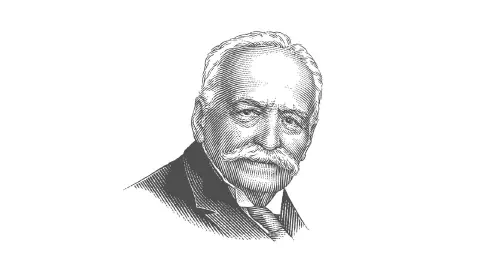
Georges Auguste Escoffier: Visionary Chef Who Revolutionized French Cuisine and Modern Cooking
Discover the life and legacy of Georges Auguste Escoffier, the legendary chef who transformed French cuisine and laid the foundation for modern culinary arts. This comprehensive historical profile …
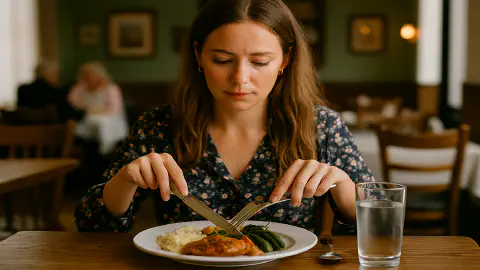
How to Use a Knife, Fork, and Spoon
Master the basics of Western table etiquette with this guide to using a knife, fork, and spoon. Learn practical tips, cultural context, and the subtle rules that shape how we dine.
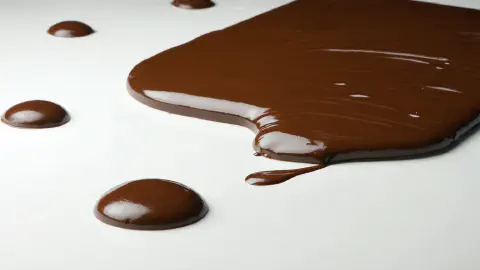
The History of Chocolate
Trace the fascinating history of chocolate—from its ancient origins with the Olmecs and Maya to its transformation into a global indulgence. Explore how cacao evolved from sacred ceremonial drink to …
Georges Auguste Escoffier: Visionary Chef Who Revolutionized French Cuisine and Modern Cooking
Discover the life and legacy of Georges Auguste Escoffier, the legendary chef who …
How to Use a Knife, Fork, and Spoon
Master the basics of Western table etiquette with this guide to using a knife, fork, and …
The History of Chocolate
Trace the fascinating history of chocolate—from its ancient origins with the Olmecs and …