German Breakfast

By: Simon
July 20, 2026 | Updated: July 22, 2026

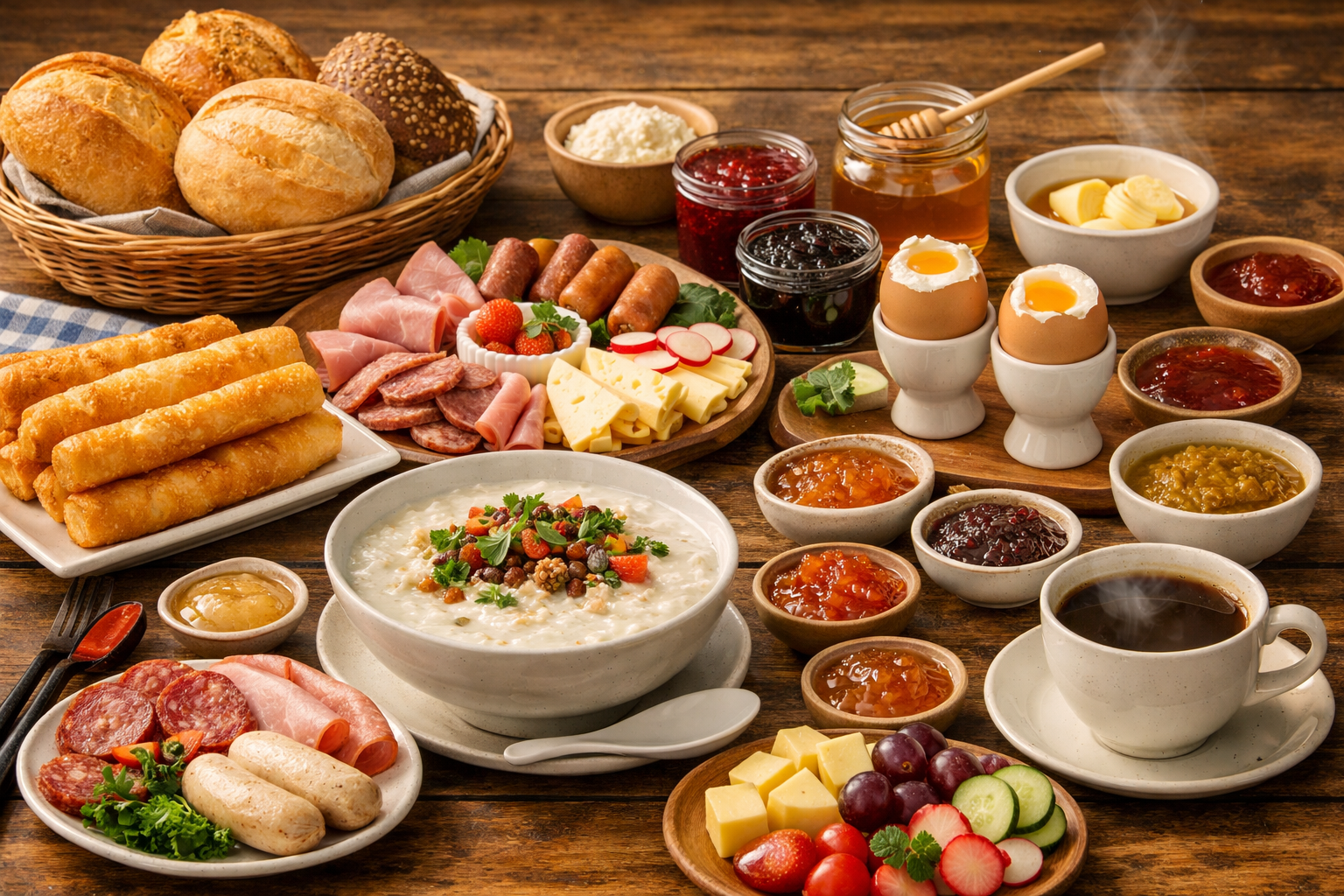
Germany, Austria, and the Netherlands share a Central European approach to breakfast that sets them apart from the lighter continental styles of France and Italy. Here, the morning meal is a generous, unhurried affair built around fresh bread, dairy, and cured meats. The German proverb says it plainly: “Iss dein Frühstück wie ein Kaiser”, eat breakfast like an emperor. Breakfast is considered one of the most important meals of the day in German households, and the same sentiment echoes across Austria and the Netherlands.
Germany: Das Frühstück
The German breakfast, or Frühstück (literally “early bite”), centres on fresh, crusty bread (Brot) or bread rolls (Brötchen). Unlike the simple buttered baguette of France, the German table groans under a selection of cold cuts (Wurst), cheeses (Käse), jams (Marmelade), honey (Honig), and chocolate-hazelnut spreads. Soft-boiled eggs served in decorative egg cups are a beloved staple, whether weichgekocht (soft), hartgekocht (hard), or scrambled as Rührei, as Germanfoods.org notes.
Cereal is also hugely popular, especially Müsli, a mixture of whole-grain oat flakes, nuts, and dried fruits soaked in yogurt, kefir, or milk. A glass of juice (Saft) and a hot beverage, coffee, tea, or hot cocoa, complete the meal. On busy weekday mornings, Germans grab a quick Brötchen mit Aufschnitt (bread roll with cold cuts) from the corner bakery, but weekends are reserved for long, leisurely breakfasts or brunches with family. The tradition of Zweites Frühstück (second breakfast) is still observed, particularly among schoolchildren who pack a Pausenbrot, a recess sandwich that keeps them fuelled through the morning.
Austria: Frühstück and Gabelfrühstück
Austrian breakfast follows the same generous template as its German neighbour, but with its own distinctive character. Bread rolls (Semmel or Gebäck) are served with butter, jam, cold meats, and cheese, accompanied by coffee, tea, or juice. The midday meal was traditionally the main meal, but breakfast itself is never skimped on.
Austria’s most distinctive contribution to breakfast culture is the Gabelfrühstück, literally “fork breakfast”, a second, more substantial morning meal eaten later in the morning. This tradition is closely tied to Vienna’s legendary coffee house culture. Viennese coffee houses, recognised by UNESCO as an Intangible Cultural Heritage, have been social and literary hubs since the 19th century. Here, a mid-morning Gabelfrühstück might include a slice of Topfenstrudel (cream cheese strudel) or Kaiserschmarrn (fluffy shredded pancake) alongside a Melange, the classic Viennese coffee with steamed milk and foam. This second breakfast bridges the gap between the light early meal and the main afternoon dinner. It was from this Viennese baking tradition that the Croissants we know today first emerged, carried to Paris by Austrian baker August Zang in 1839. Browse our breakfast hub for all global morning traditions.
Netherlands: Het Ontbijt
The Dutch ontbijt shares the Central European love of bread, cheese, and cold cuts, but adds its own wonderfully idiosyncratic touches. Bread (brood), typically whole-grain, rye, or white, is the foundation, topped with cheese (especially Gouda, Edam, or Leiden), ham, or sweet spreads. The Dutch are famously fond of sprinkling hagelslag (chocolate sprinkles) on buttered bread, a tradition that delights visitors and baffles them in equal measure. These sweet bread toppings, including vlokken (chocolate flakes) and muisjes (aniseed sprinkles), are a defining characteristic of the Dutch breakfast table. Children often eat beschuit (a type of rusk) with muisjes to celebrate a new baby’s birth.
A second iconic Dutch breakfast item is ontbijtkoek (“breakfast cake”), a dense, spiced rye cake flavoured with cloves, cinnamon, ginger, and nutmeg. It is sliced thin and spread with butter. For beverages, coffee and tea are standard, but some traditionalists opt for anijsmelk, warm milk flavoured with aniseed, or a glass of buttermilk (karnemelk). The most adventurous breakfast item is groene haring (green herring), lightly pickled raw herring that is sometimes eaten by holding it by the tail, tilting the head back, and dropping it straight into the mouth — “in the style of a small child,” as one observer delightfully described it.
A Shared Philosophy
What unites these three breakfast cultures is a shared philosophy: breakfast should be substantial, varied, and savoured. Whether it is a German Frühstück with its groaning board of breads and meats, an Austrian Gabelfrühstück in a grand Viennese café, or a Dutch ontbijt of bread with hagelslag and Gouda, the morning meal in Central Europe is a celebration of quality ingredients and the simple pleasure of a good start to the day. This stands in contrast to the lighter approach of Scandinavian Breakfast, where Nordic grains and dairy take centre stage.
German Breakfast Video
Featured articles
Explore rich culinary stories, exclusive chef interviews, and expert insights from kitchens around the world. Discover cooking techniques, ingredient spotlights, and behind-the-scenes looks at the tools that shape global cuisine.
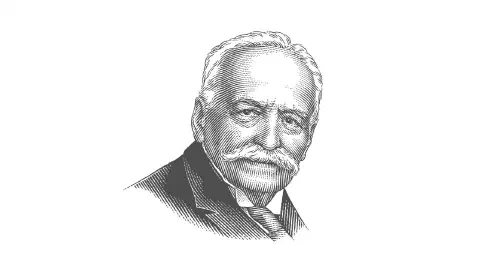
Georges Auguste Escoffier: Visionary Chef Who Revolutionized French Cuisine and Modern Cooking
Discover the life and legacy of Georges Auguste Escoffier, the legendary chef who transformed French cuisine and laid the foundation for modern culinary arts. This comprehensive historical profile …
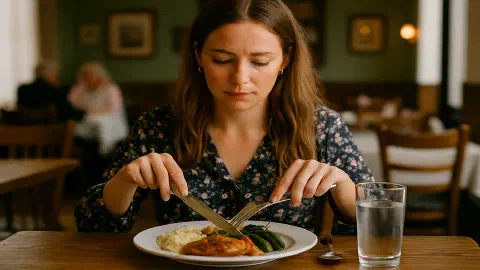
How to Use a Knife, Fork, and Spoon
Master the basics of Western table etiquette with this guide to using a knife, fork, and spoon. Learn practical tips, cultural context, and the subtle rules that shape how we dine.

The History of Chocolate
Trace the fascinating history of chocolate, from its ancient origins with the Olmecs and Maya to its transformation into a global indulgence. Explore how cacao evolved from sacred ceremonial drink to …
Georges Auguste Escoffier: Visionary Chef Who Revolutionized French Cuisine and Modern Cooking
Discover the life and legacy of Georges Auguste Escoffier, the legendary chef who …
How to Use a Knife, Fork, and Spoon
Master the basics of Western table etiquette with this guide to using a knife, fork, and …
The History of Chocolate
Trace the fascinating history of chocolate, from its ancient origins with the Olmecs and …