Caffeine

By: Simon
July 20, 2026 | Updated: July 22, 2026

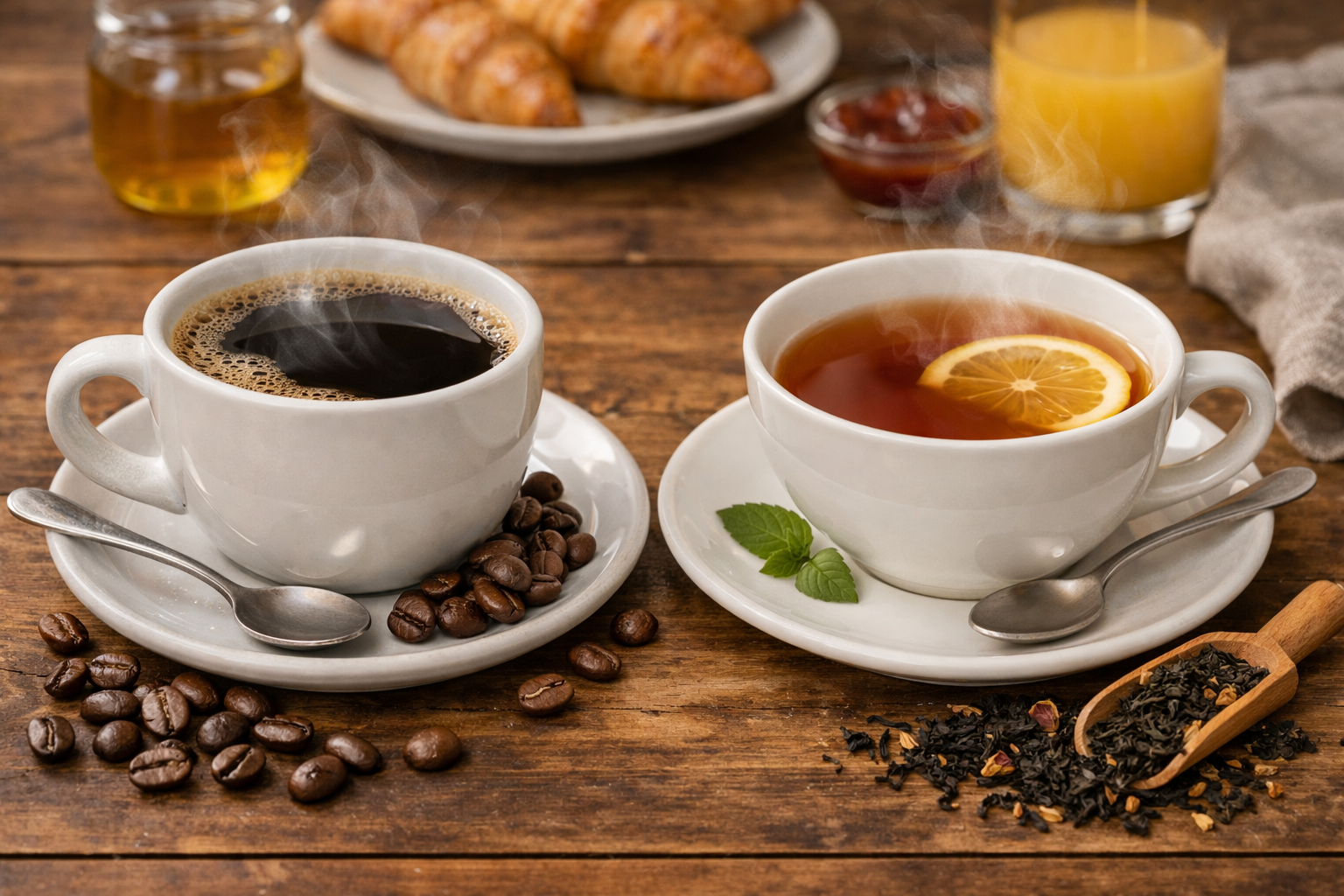
The idea that one ought to have something “eye-opening” at breakfast is a relatively new one, and can be traced to the arrival of coffee and tea in Europe in the mid-17th century. Before caffeine, beer was considered a staple nutrient, nearly to the degree that bread was, and it was consumed at all hours of the day. At breakfast, it made an appearance both as a beverage and in a sort of bread soup.
Before Caffeine: Breakfast Beer
It may seem strange to modern sensibilities, but for much of European history, beer was the default breakfast beverage. Small beer — a low-alcohol brew — was consumed by adults and children alike because it was safer than untreated water. Beer provided calories and hydration without the risks associated with contaminated water supplies. It was only with the arrival of coffee and tea — beverages that required boiling water, making them naturally safer — that the shift away from breakfast beer began.
The Arrival of Coffee and Tea
It took some time for coffee and tea to cease being considered luxury items, but once prices dropped enough, more and more people acquired a taste for them. Europeans soon noticed that the people who sipped steaming brown beverages in the mornings were more clear-headed and productive than those who kept to older habits.
Coffeehouses became popular places to meet and conduct business. These establishments spread rapidly across Europe in the 17th and 18th centuries, becoming known as “penny universities” where for the price of a cup of coffee, one could engage in stimulating conversation and access newspapers and pamphlets.
With the arrival of the Industrial Revolution and the rise of the working class, caffeine claimed once and for all its modern-day position at breakfast. Factory shifts and office hours demanded alertness and punctuality, and caffeine delivered both.
How Much Caffeine Is in Your Cup?
Consider, as a frame of reference, the 200 milligrams of caffeine found in a Vivarin tablet:
- Coffee contains between 50 and 170 milligrams of caffeine per cup, depending on the brewing method, the ratio of coffee grounds to water, and the type of bean. Gourmet arabica beans contain about half as much caffeine as the more economical but less flavourful robusta beans.
- Tea ranges from 25 to 100 milligrams per cup, also subject to dramatic variation based on the type of tea leaves and brewing methods.
- Hot chocolate contains no more than 25 milligrams of caffeine per cup, accounting for its long popularity among the nobility in the 17th century. The rich not only had no reason to get moving early, they often slept into the afternoon, and then breakfasted in bed.
Up to 400 milligrams of caffeine per day is considered safe for most healthy adults, roughly the amount in four cups of brewed coffee.
The Modern Caffeine Culture
Today, caffeine is more central to breakfast culture than ever before. The global coffee industry is worth hundreds of billions of dollars, and the demand for specialty coffee has led to a renaissance in brewing methods, from pour-over and French press to espresso and cold brew. Tea remains the most widely consumed beverage in the world after water, with breakfast tea traditions as varied as the cultures that enjoy them.
From the beer that fuelled medieval breakfasts to the artisanal lattes of today, the story of caffeine at breakfast is really the story of how we learned to wake up, and keep up, with the modern world. Browse our breakfast collection for more morning traditions. Read about Bulgarian Breakfast and its famous yogurt culture, then continue to Canadian Breakfast, where maple syrup reigns supreme.
Caffeine Video
Featured articles
Explore rich culinary stories, exclusive chef interviews, and expert insights from kitchens around the world. Discover cooking techniques, ingredient spotlights, and behind-the-scenes looks at the tools that shape global cuisine.
Georges Auguste Escoffier: Visionary Chef Who Revolutionized French Cuisine and Modern Cooking
Discover the life and legacy of Georges Auguste Escoffier, the legendary chef who transformed French cuisine and laid the foundation for modern culinary arts. This comprehensive historical profile …

How to Use a Knife, Fork, and Spoon
Master the basics of Western table etiquette with this guide to using a knife, fork, and spoon. Learn practical tips, cultural context, and the subtle rules that shape how we dine.
The History of Chocolate
Trace the fascinating history of chocolate, from its ancient origins with the Olmecs and Maya to its transformation into a global indulgence. Explore how cacao evolved from sacred ceremonial drink to …
Georges Auguste Escoffier: Visionary Chef Who Revolutionized French Cuisine and Modern Cooking
Discover the life and legacy of Georges Auguste Escoffier, the legendary chef who …
How to Use a Knife, Fork, and Spoon
Master the basics of Western table etiquette with this guide to using a knife, fork, and …
The History of Chocolate
Trace the fascinating history of chocolate, from its ancient origins with the Olmecs and …