Brunch

By: Simon
July 20, 2026 | Updated: July 22, 2026


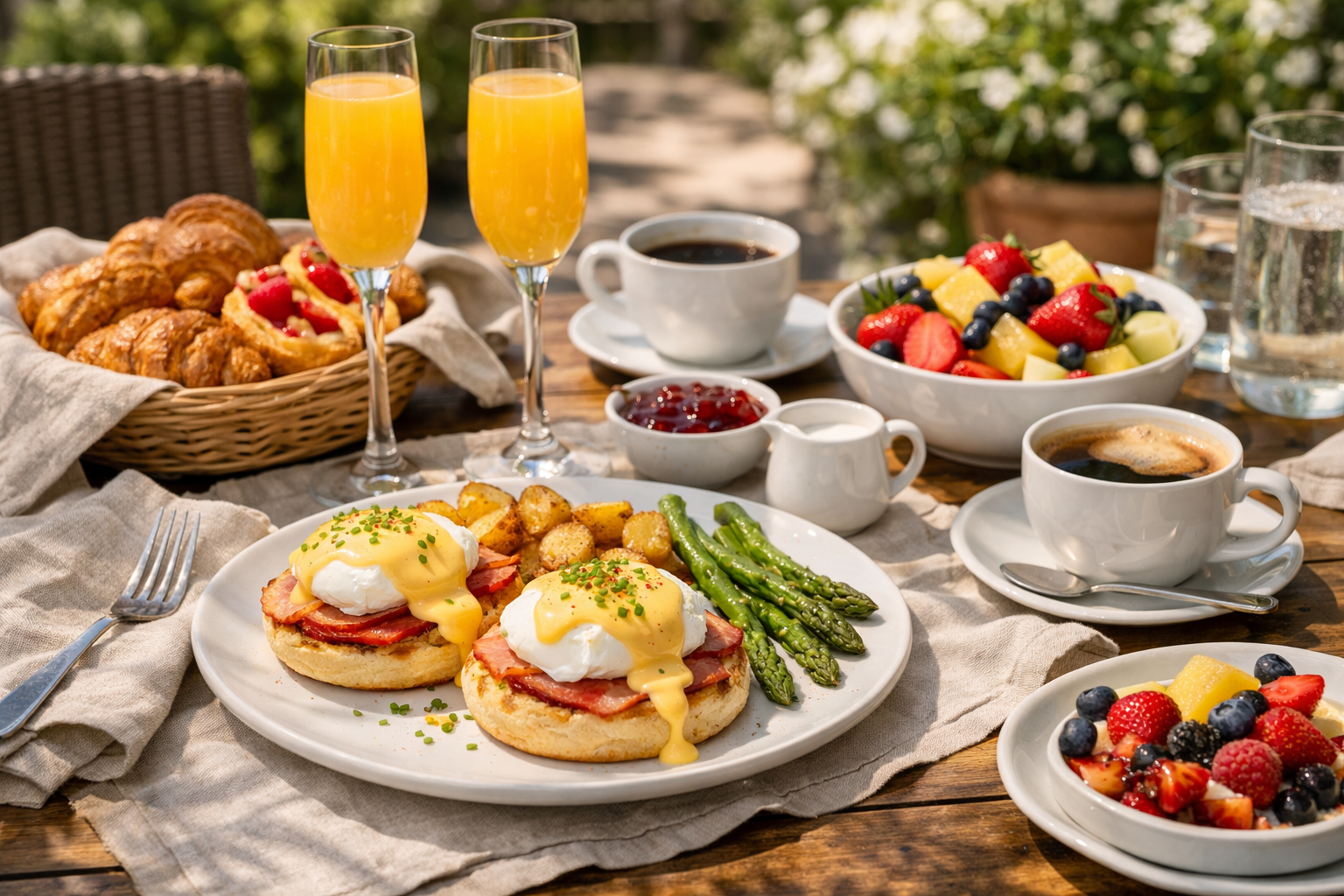
Brunch is considered a particularly American idea today, but the coinage of the word turns out to be doubly British. The word came into use in turn-of-the-century British university society. And the strategy used to coin it — it is known as a “portmanteau word,” a combination of the words “breakfast” and “lunch” — was defined in 1871 by Lewis Carroll.
The Portmanteau Connection
In the course of her travels on the other side of the looking-glass, Alice meets Humpty Dumpty, sitting on his wall. She tries to persuade him that his lofty perch is quite dangerous, but he will not listen to reason. Instead, she decides to ask for his help deciphering “Jabberwocky,” a poem which has been puzzling her:
“‘Twas brillig, and the slithy toves
Did gyre and gimble in the wabe:
All mimsy were the borogoves,
And the mome raths outgrabe.”
“That’s enough to begin with,” Humpty Dumpty interrupted: “there are plenty of hard words there. ‘Brillig’ means four o’clock in the afternoon — the time when you begin broiling things for dinner.”
“That’ll do very well,” said Alice: “and ‘slithy’?”
“Well, ‘slithy’ means ’lithe and slimy.’ ‘Lithe’ is the same as ‘active.’ You see it’s like a portmanteau — there are two meanings packed up into one word.”
From Through the Looking Glass: And What Alice Found There by Lewis Carroll (Puffin Classics, 1896).
The First Recorded Use of “Brunch”
The word “brunch” first appeared in print in 1895, in an article by British writer Guy Beringer published in Hunter’s Weekly. Beringer proposed a new meal that combined breakfast and lunch, designed for Sunday afternoons after a late night out. He argued that the meal “would be agreeable, and would make meals less of a duty than a pleasure.”
The word “brunch” was formed by blending “breakfast” and “lunch,” following the same portmanteau pattern that Lewis Carroll had described two decades earlier. The concept proved enduringly popular.
Brunch Crosses the Atlantic
While the word may be British, brunch as a cultural institution truly flourished in the United States. By the 1930s, brunch had become a popular offering in American hotels and restaurants, particularly in New York City. The meal gained further momentum in the post-war era, when the American workweek shifted to a Monday-to-Friday structure, leaving Saturday and Sunday free for leisure.
By the 1990s, brunch had become a staple of American popular culture, with restaurants across the country offering weekend brunch menus featuring everything from eggs Benedict to bottomless mimosas. The meal has since spread to become a global phenomenon.
The Modern Brunch
Today, brunch is one of the most popular weekend dining traditions worldwide. Its appeal lies in its flexibility: combining the best of breakfast (eggs, pastries, coffee) with lunch (salads, sandwiches, heartier fare), often accompanied by alcoholic beverages such as mimosas, Bloody Marys, and bellinis — a tradition that would have surprised the word’s Victorian inventors.
In cities from New York to Sydney to London, brunch has become a cultural ritual, with queues forming outside popular spots on Saturday and Sunday mornings. Social media has further fueled the trend, with beautifully presented brunch dishes becoming some of the most photographed foods on platforms like Instagram.
From a humorous portmanteau in a British university magazine to a global dining phenomenon, brunch has come a long way, proving that sometimes the best ideas are the ones that combine two good things into something even better. Discover other breakfast customs worldwide. Before brunch, read about Australian Breakfast and its Vegemite traditions, then continue to Bulgarian Breakfast, where yogurt and banitsa take centre stage.
Brunch Video
Featured articles
Explore rich culinary stories, exclusive chef interviews, and expert insights from kitchens around the world. Discover cooking techniques, ingredient spotlights, and behind-the-scenes looks at the tools that shape global cuisine.
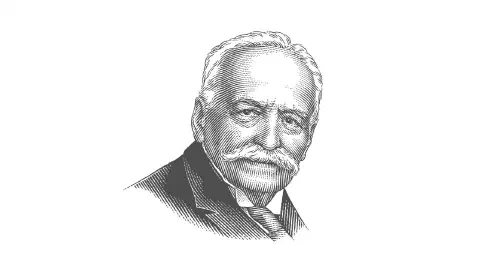
Georges Auguste Escoffier: Visionary Chef Who Revolutionized French Cuisine and Modern Cooking
Discover the life and legacy of Georges Auguste Escoffier, the legendary chef who transformed French cuisine and laid the foundation for modern culinary arts. This comprehensive historical profile …
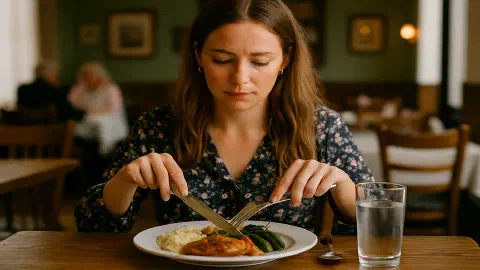
How to Use a Knife, Fork, and Spoon
Master the basics of Western table etiquette with this guide to using a knife, fork, and spoon. Learn practical tips, cultural context, and the subtle rules that shape how we dine.

The History of Chocolate
Trace the fascinating history of chocolate, from its ancient origins with the Olmecs and Maya to its transformation into a global indulgence. Explore how cacao evolved from sacred ceremonial drink to …
Georges Auguste Escoffier: Visionary Chef Who Revolutionized French Cuisine and Modern Cooking
Discover the life and legacy of Georges Auguste Escoffier, the legendary chef who …
How to Use a Knife, Fork, and Spoon
Master the basics of Western table etiquette with this guide to using a knife, fork, and …
The History of Chocolate
Trace the fascinating history of chocolate, from its ancient origins with the Olmecs and …