Cajun and Creole Cuisine

By: Simon
September 10, 2025 | Updated: February 17, 2026
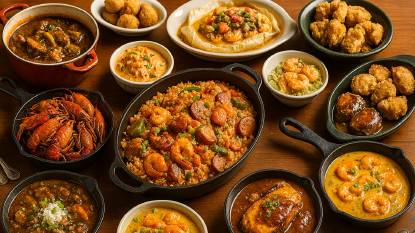


Louisiana’s culinary landscape is a living archive of exile, empire, and ingenuity deep in the American South —where two distinct food traditions, Cajun and Creole, simmer side by side in cast iron pots and copper pans. These cuisines are not simply regional flavors; they are cultural dialects spoken through roux, rice, and seafood. Cajun cooking, born of French Canadian resilience and bayou pragmatism, embraces rustic techniques and bold spice. Creole cooking, shaped by European refinement and Caribbean vibrancy, leans into elegance and layered complexity. Together, they form a rich tapestry of taste that reflects centuries of migration, adaptation, and celebration—each dish a chapter in Louisiana’s edible history.
🦐 Cajun and Creole Cooking: A Tale of Two Traditions
Cajuns are the folks who live in the bayou country to the west and south of New Orleans. Originally French Canadians, they were exiled to Louisiana in the 18th century when they refused to swear loyalty to England, and their name is a corruption of “Canadian.” Unlike “classic” southern cooking, in this case the French influence is that of the country, not the château.
Cajun food is simple and full of flavor. It is mostly prepared in heavy, cast iron pots and makes use of the rice and seafood that are so abundant in the Gulf of Mexico. Gumbos and jambalayas are the most well-known Cajun specialties. Peppers, onions, and celery are an inseparable trio in many recipes (e.g., crayfish bisque and the various gumbos) and they almost always join a roux. As in the Southwest, the general American aversion to spicy foods is suspended in Louisiana: cayenne peppers and chiles from Latin America have found a regular place in the Cajun larder. They were probably imported by the Spanish, who briefly occupied the area. Likewise, Native American influence is strongly felt in many recipes.
🔥 Deep Roots, Bold Flavors
Cajun cuisine is a celebration of survival and adaptation. Born from exile and shaped by the swamps, it is a cuisine of necessity turned into artistry. The cast iron pot is more than a vessel—it’s a symbol of communal cooking, slow simmering, and flavor layering. Dishes like étouffée, boudin, and tasso reflect a resourceful use of local ingredients, often stretching humble cuts into deeply satisfying meals.
The “holy trinity” of Cajun cooking—onion, bell pepper, and celery—is a regional echo of the French mirepoix, but with a Southern swagger. These aromatics form the backbone of nearly every dish, sautéed in oil or butter and joined by a roux that ranges from pale blonde to dark mahogany, depending on the dish’s depth and desired smokiness.
🧄 Cajun spice blends often include garlic powder, paprika, thyme, and oregano, but the real heat comes from cayenne and fresh chiles. The palate is bold, unapologetic, and deeply satisfying.
🍽️ Creole Cuisine: Elegance Meets Earthiness
The term Creole means simply a person with European blood who has been born in the New World. Over time, it also came to apply to those with mixed French or Spanish and African or Caribbean blood. In the world of cooking, it names the French-inspired haute cuisine of New Orleans. Here, tried-and-true French methods met American ingredients head-on.
The results were tantalizing: Creole bouillabaisse, shrimp rémoulade, okra beignets, pompano en papillote, chicken Rochambeau, wild goose cassoulet, and of course terrapin stew. Many of the ingredients and methods of Cajun cooking are used in New Orleans as well. Roux is a common first step; crawfish and oysters show up everywhere. But the simple has given way to a complex, distinctive patois that can be heard in the tastes of New Orleans’ famous eateries.
🧑🍳 Creole Sophistication
Creole cuisine is where French technique meets tropical abundance. It’s the white-linen counterpart to Cajun’s cast-iron soul. Influenced by aristocratic French kitchens, Creole dishes often feature rich sauces, layered preparations, and imported ingredients like saffron, capers, and wine.
🦞 Seafood is central—shrimp, crab, oysters, and pompano are elevated through techniques like poaching, baking en papillote, and flambéing. Creole cooking also embraces tomatoes, which are largely absent in Cajun dishes, and leans into butter and cream for richness.
🧾 Cajun vs. Creole: A Culinary Comparison
| Feature | Cajun Cuisine 🏕️ | Creole Cuisine 🏛️ |
|---|---|---|
| Origins | French Canadian exiles | European settlers in New Orleans |
| Cultural Influences | French country, Spanish, Native American | French aristocratic, African, Caribbean |
| Cooking Style | Rustic, one-pot meals | Refined, multi-step preparations |
| Common Ingredients | Rice, seafood, peppers, onions, celery | Tomatoes, butter, wine, exotic spices |
| Signature Dishes | Gumbo, jambalaya, boudin, étouffée | Shrimp rémoulade, cassoulet, pompano en papillote |
| Spice Level | Bold and spicy 🌶️ | Mild to moderate, layered flavors |
| Cooking Vessels | Cast iron pots | Copper pans, baking dishes |
| Roux Usage | Dark roux for depth | Light roux or béchamel for elegance |
Though Cajun and Creole cuisines share ingredients and geography, they diverge in philosophy. Cajun cooking is the language of the bayou—earthy, improvisational, and communal. Creole cuisine speaks in the dialect of the salon—elegant, deliberate, and cosmopolitan.
Together, they form the culinary heartbeat of Louisiana, a place where food is not just sustenance but storytelling. Whether you’re stirring a roux in a cast iron pot or plating pompano with beurre blanc, you’re part of a tradition that honors resilience, creativity, and flavor without compromise.
While Creole and Cajun cuisines draw from French, Spanish, and African influences with bold spices and coastal ingredients, soul food shares a Southern lineage rooted in African American traditions—where slow-cooked greens, cornbread, and smoked meats reflect a history of resilience and communal cooking
History of Cajun & Creole Cuisine [Video]
Featured Articles
Explore rich culinary stories, exclusive chef interviews, and expert insights from kitchens around the world. Discover cooking techniques, ingredient spotlights, and behind-the-scenes looks at the tools that shape global cuisine.
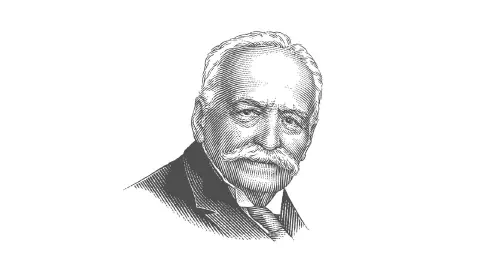
Georges Auguste Escoffier: Visionary Chef Who Revolutionized French Cuisine and Modern Cooking
Discover the life and legacy of Georges Auguste Escoffier, the legendary chef who transformed French cuisine and laid the foundation for modern culinary arts. This comprehensive historical profile …
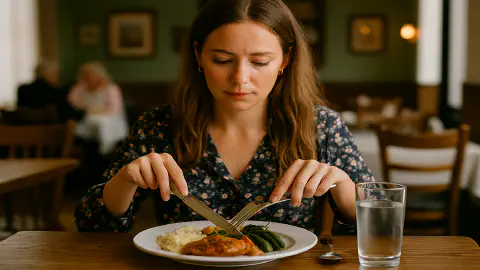
How to Use a Knife, Fork, and Spoon
Master the basics of Western table etiquette with this guide to using a knife, fork, and spoon. Learn practical tips, cultural context, and the subtle rules that shape how we dine.
The History of Chocolate
Trace the fascinating history of chocolate—from its ancient origins with the Olmecs and Maya to its transformation into a global indulgence. Explore how cacao evolved from sacred ceremonial drink to …
Georges Auguste Escoffier: Visionary Chef Who Revolutionized French Cuisine and Modern Cooking
Discover the life and legacy of Georges Auguste Escoffier, the legendary chef who …
How to Use a Knife, Fork, and Spoon
Master the basics of Western table etiquette with this guide to using a knife, fork, and …
The History of Chocolate
Trace the fascinating history of chocolate—from its ancient origins with the Olmecs and …