Midwestern Cuisine

By: Simon
September 10, 2025 | Updated: February 17, 2026
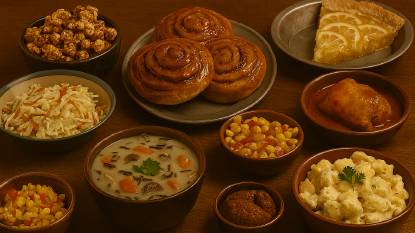


Midwestern cuisine is a testament to endurance, generosity, and the quiet brilliance of immigrant ingenuity. Germans, Scandinavians, Eastern Europeans and Russians, Brits, and Italians constitute the mélange of peoples who made the U.S. heartland their home. Like nearly all American cuisines, Midwestern cooking combines the traditions of Europe, the ingredients of the new land, and some Native American know-how. But here, the grueling nature of work in the northern Midwest and the plains has also been a defining influence. Farmers, loggers, miners, and railroad workers ate vast quantities, and cooking in the heartland has always been a grand gesture—matched by a generosity of spirit and a sense of boundlessness.
🥘 Cooking in the Heartland
It is simple but hearty: great roasts and stews, Cornish pasties (meat pies), sarma (Croatian cabbage rolls), and an astonishing variety of breads and cakes. Freshwater fish like trout and whitefish appear alongside relishes, pickles, pies, and cranberry muffins. These are dishes built for sustenance, not spectacle—meals that warm the body and anchor the day.
The winters are harsh and long, shaping both the crops and the kitchen. Preservation is not a trend here—it’s a necessity. Smoked meats, pickled vegetables, canned fruits, and root cellars full of winter produce become the foundation for steaming stews and slow-cooked suppers. Farming and logging are seasonal jobs, and many farmers would leave home to spend the winters in the mines and logging camps of Michigan and Minnesota. They lived in communal boarding houses where hardworking landladies knew that a good table drew a good work crew. Food was currency, comfort, and community.
So, what makes up Midwestern cooking? Dairy is central: eggs, milk, butter, and cheese anchor nearly every meal. The Germans brought beer, sauerkraut, sausages, and wursts of every ilk, along with the tradition of serving meals family-style—meat, relishes, soups, pies, and vegetables all on the table at once. Wheat and corn were staple starches, yielding breads, pancakes, cornbread, spoon bread, Swedish limpa rye, German stollen, and black walnut bread. These barely scratch the surface of the thousands of breads, buns, and cakes that define the region.
Wild rice and wild mushrooms grow in abundance, adding depth and texture to otherwise modest fare. Scandinavians contributed lutefisk (lye-treated codfish), lefse (potato bread), and meatballs. Hungarians brought goulash; Italians, their cheese cultures and pasta traditions. Spicing is mild but thoughtful—fresh herbs from the garden like dill, parsley, and sage, alongside the warm baking spices of cinnamon, allspice, nutmeg, and ginger that also echo through New England kitchens.
Midwestern cuisine is not flashy, but it is foundational. It is a cuisine of labor and legacy, where every dish carries the imprint of migration, adaptation, and the enduring rhythm of the seasons.
🥧 Some Midwestern Favorites: Comfort by the Spoonful
Midwestern cooking is built on comfort, community, and a deep respect for seasonal abundance. These dishes, drawn from farm kitchens, church potlucks, and immigrant boarding houses, reflect the region’s practical ingenuity and its love of simple, satisfying fare. Whether sweet or savory, baked or simmered, each recipe carries the imprint of generations who cooked not for spectacle, but for sustenance.
🍿 Caramel Corn
Popped corn coated in a molasses or brown sugar syrup, then baked until crisp and crunchy. A staple of county fairs and holiday tins, caramel corn is a nostalgic treat—sweet, sticky, and impossible to stop eating once you start.
🥧 Chicken Pot Pie
A creamy chicken stew filled with peas, carrots, and other vegetables, baked underneath a golden pastry crust. This dish is the definition of Midwestern comfort: warm, rich, and deeply familiar, often served in deep ceramic dishes or cast iron skillets.
🥬 Cole Slaw
Shredded green cabbage and carrots tossed with mayonnaise and, sometimes, lemon juice. Served alongside barbecue, fried chicken, or sandwiches, cole slaw offers a cool, crunchy counterpoint to heavier fare.
🌽 Corn Relish
This slightly sweet preserve is made from fresh yellow corn, vinegar, and sugar, usually embellished with red peppers, onion, and celery. It’s a bright, tangy condiment that pairs beautifully with grilled meats or adds punch to a sandwich.
🥔 Potato Salad
Boiled, cut-up potatoes dressed in creamy mayonnaise accented with vinegar. A picnic essential, potato salad is endlessly adaptable—some versions include mustard, pickles, or hard-boiled eggs, but all aim for that perfect balance of creaminess and tang.
🍋 Shaker Lemon Pie
A wonderfully sour pie made from thinly sliced lemons, eggs, and sugar. The filling is tart and translucent, encased in a flaky crust. Born from Shaker frugality and ingenuity, this pie turns whole lemons into something transcendent.
🍪 Snickerdoodles (or Snapdoodles)
Sweet, crispy cinnamon cookies, sometimes studded with oatmeal. Their crackled tops and warm spice make them a favorite in Midwestern cookie jars—simple, nostalgic, and perfect with a glass of milk.
🥬 Stuffed Cabbage Rolls
These Middle European favorites consist of blanched cabbage leaves filled with ground meat and vegetables, rolled up, then baked in a tomato or broth-based sauce. Hearty and economical, they reflect the region’s immigrant roots and its love of slow-cooked comfort.
🍲 Wild Rice Soup
No surprise here—this creamy soup is made with plenty of wild rice and uses chicken or beef stock as its base. Carrots, celery, and onion are generally added, as are mushrooms (always a favorite with wild rice). A splash of dry sherry adds depth. It’s a dish that speaks of northern forests and long winters, rich in flavor and tradition.
These Midwestern favorites aren’t just recipes—they’re rituals. They mark seasons, holidays, and everyday meals with warmth, thrift, and a quiet kind of joy.
Betty’s Midwest Kitchen [Video]
Featured Articles
Explore rich culinary stories, exclusive chef interviews, and expert insights from kitchens around the world. Discover cooking techniques, ingredient spotlights, and behind-the-scenes looks at the tools that shape global cuisine.

Georges Auguste Escoffier: Visionary Chef Who Revolutionized French Cuisine and Modern Cooking
Discover the life and legacy of Georges Auguste Escoffier, the legendary chef who transformed French cuisine and laid the foundation for modern culinary arts. This comprehensive historical profile …
How to Use a Knife, Fork, and Spoon
Master the basics of Western table etiquette with this guide to using a knife, fork, and spoon. Learn practical tips, cultural context, and the subtle rules that shape how we dine.

The History of Chocolate
Trace the fascinating history of chocolate—from its ancient origins with the Olmecs and Maya to its transformation into a global indulgence. Explore how cacao evolved from sacred ceremonial drink to …
Georges Auguste Escoffier: Visionary Chef Who Revolutionized French Cuisine and Modern Cooking
Discover the life and legacy of Georges Auguste Escoffier, the legendary chef who …
How to Use a Knife, Fork, and Spoon
Master the basics of Western table etiquette with this guide to using a knife, fork, and …
The History of Chocolate
Trace the fascinating history of chocolate—from its ancient origins with the Olmecs and …