Antojitos y Bocados: The Irresistible World of Mexican Snack Culture 🌮

By: Simon
December 21, 2025 | Updated: February 17, 2026
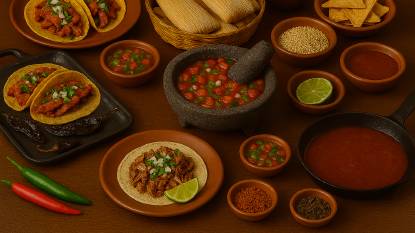


In Mexico, eating is not confined to three rigid meals a day. Instead, the culinary landscape is animated by a vibrant, constant, and utterly delicious rhythm of snacks—a category so important it has its own sacred vocabulary. Antojitos (literally “little cravings”) and bocados (“little bites”) are more than mere appetizers; they are a food group all their own, representing the soul of Mexican culinary creativity, accessibility, and communal joy. While in the United States, these foods have achieved mainstream familiarity—with salsa outselling ketchup since the 1990s and taco trucks becoming urban fixtures—their cultural context at home is profoundly different. In Mexico, any dish based on a tortilla or masa is, by definition, an antojito, a category deemed too informal for the structured, multi-course comida corrida of the afternoon. This is the realm of immediate gratification, of street-corner artistry, and of flavors that punch far above their weight. Let’s embark on a guided tour of this essential culinary universe.
The Masa Matrix: The Foundation of a Thousand Snacks
At the heart of most antojitos lies masa—the dough made from nixtamalized corn. This ancient process, where dried corn is cooked and soaked in an alkaline solution (like limewater), unlocks nutrients and gives masa its distinctive flavor and pliable texture. From this single, magical dough springs an astonishing diversity of forms.
In contrast to the spontaneity of antojitos, the comida corrida represents Mexico’s most traditional and structured main meal of the day—a midday ritual that anchors the country’s culinary rhythm. Its formality and pacing stand in deliberate contrast to the grab‑and‑go world of antojitos, reflecting how Mexican cuisine balances immediacy with ritual, informality with structure, and street-corner cravings with the communal heart of the midday table.
1. The Taco: The Undisputed King 👑
The taco is a philosophy, not just a food. As stated, most authentic tacos are soft, using two warm, fresh corn tortillas to cradle the filling. The variety is infinite, defined by their filling and preparation:
- Tacos al Pastor: Mexico City’s icon. Thin slices of chile-marinated pork are stacked on a vertical spit (trompo), roasted, and shaved off, served with pineapple, onion, and cilantro. A must-try at El Huequito.
- Tacos de Carnitas: Michoacán’s gift. Confit-style pork, crispy and tender, often chosen by cut (e.g., maciza lean meat, costilla rib, cuerito skin).
- Tacos de Pescado/Baja-Style: Born in Ensenada, featuring beer-battered fried fish, cabbage slaw, and creamy white sauce. Mariscos Ruben in Tijuana sets the gold standard.
- Taco de Canasta (“Basket Taco”): Steamed tacos, kept warm in a basket, pre-filled with simple stews like beans or potatoes—the ultimate worker’s snack.
Fact: The word “taco” originally referred to a miner’s explosive charge (a plug), perhaps humorously comparing the act of stuffing a tortilla to packing dynamite.
2. The Quesadilla: A Central Debate
The article notes its popularity in central Mexico, but a raging cultural debate exists: Does a quesadilla require cheese? In Mexico City, the answer is no. The name comes from queso (cheese) and tortilla, but it has evolved to mean a folded (or sometimes flat) tortilla cooked on a comal with any filling (flor de calabaza, huitlacoche, mushrooms), with or without cheese. Requesting one “con queso” is often necessary!
3. The Fried & Fantastic: Sopes, Gorditas, Huaraches
These are masa creations distinguished by their thickness, shape, and cooking method.
- Sopes: As described, these are thick, small disks of masa with pinched-up edges to form a “boat,” lightly fried, then topped with beans, shredded meat, lettuce, cream, and cheese.
- Gorditas (“Little Fat Ones”): Thicker than sopes, often sliced open like pita bread after frying or cooking on the comal, then stuffed.
- Huaraches: Shaped like the sole of the traditional sandal (huarache), this oblong masa base is topped lavishly, often with cecina (salted meat) or al pastor.
4. The Steamed Bundle: Tamales
A pre-Hispanic treasure with ritual significance. The modern tamale is a delicate operation: a spread of masa, often enriched with lard (manteca), surrounds a savory (chicken in green salsa, pork in red) or sweet (raisin, pineapple) filling, all wrapped in a corn husk or banana leaf and steamed. Tamales are traditionally a breakfast or dinner food, often accompanied by atole (a warm corn-based drink). In Oaxaca, chef Thalía Barrios García of Peratón creates stunning tamales wrapped in hoja santa.
Beyond the Corn: Flour, Chiles, and Global Influences
1. The Wheat-Based North: Burritos & Empanadas
In the wheat-growing north, flour tortillas reign.
- Burritos: Indeed, a large flour tortilla wrapped around a filling. However, authentic Mexican burritos are typically simpler and smaller than their U.S. counterparts, often containing just one or two ingredients like machaca (shredded dried beef) or beans with cheese. The Mission-style behemoth is a San Francisco innovation.
- Empanadas: Northern Mexico’s fried pastries. The wheat dough is flakier than corn masa, filled with savory picadillo or sweet pumpkin (calabaza).
2. The Stuffed Masterpiece: Chiles Rellenos
A dish of celebration. The poblano chile is roasted, peeled, and carefully stuffed, most classically with Picadillo (a mixture of ground meat, fruits, and nuts) or just cheese. The battered and fried version, served in a tomato-based caldillo, is sublime. A lighter, non-fried version is Chile en Nogada—a poblano stuffed with picadillo, topped with a walnut cream sauce and pomegranate seeds, representing the colors of the Mexican flag; it’s a patriotic dish for Independence season.
3. The Coastal Antojo: Ceviche & Cockteles
While not tortilla-based, ceviche is a quintessential snack. Fresh fish or shrimp is “cooked” in lime juice and mixed with tomato, onion, cilantro, and chile. Served with saltines or tostadas, it’s the ultimate beachside bocado. In Guerrero, Ceviche de Sierra (with Spanish mackerel) is legendary.
The Snack Ecosystem: Where and How to Eat
- Puestos (Street Stalls): The lifeblood. From taco stands to tamal carts, this is where you find the most authentic, affordable, and fresh antojitos.
- Cenadurías: Evening establishments specializing in antojitos for a light dinner.
- Cantinas: Often serve botanas (substantial snacks like chicharrón en salsa or queso fundido) complimentary with drinks.
Nutritional Snapshot: A Balanced Bite?
While often fried, antojitos can offer surprising balance. A well-composed snack incorporates multiple food groups.
| Antojito | Typical Serving | Key Components | Estimated Calories | Nutritional Note |
|---|---|---|---|---|
| 2 Tacos al Pastor | 2 corn tortillas, 80g pork, onion, cilantro, salsa | Protein, Complex Carbs, Veggies, Fat | ~250-300 | Good protein source; opt for extra onions/cilantro for fiber. |
| 1 Sope con Pollo | 1 masa base, refried beans, shredded chicken, lettuce, cream, cheese | Carbs, Protein, Fiber, Calcium, Fat | ~350-400 | More substantial; beans add fiber and protein. |
| 1 Chiles Relleno (fried) | 1 poblano, cheese/meat filling, egg batter, tomato sauce | Protein, Veggies, Fat | ~400-500 | Higher in fat due to frying; poblano is rich in Vitamin C. |
| Ceviche (1 cup) | 150g fish/shrimp, lime, tomato, onion, cilantro, avocado | Lean Protein, Healthy Fats, Vitamins C & A | ~200-250 | Excellent low-fat, high-protein option. Rich in omega-3s. |
| 3 Flautas | 3 fried tortillas, chicken, lettuce, cream, cheese, salsa | Carbs, Protein, Fat | ~450-550 | Calorie-dense; the frying adds significant fat. |
A Recipe: Tacos de Carnitas Caseros (Homestyle)
Serves 6-8
Ingredients:
- 4 lbs boneless pork shoulder (pierna), cut into 3-inch cubes
- 1 lb pork belly (optional, for richness)
- 1 large white onion, quartered
- 8 cloves garlic, peeled
- 2 bay leaves
- 1 tbsp dried Mexican oregano
- 1 tsp cumin seeds
- 1 cinnamon stick
- Zest of 1 orange (in large strips)
- Enough water or light beer to barely cover
- Salt
- To serve: Corn tortillas, diced white onion, chopped cilantro, lime wedges, salsa verde.
Method:
- Place all meat in a large, heavy Dutch oven. Add onion, garlic, bay leaves, oregano, cumin, cinnamon, and orange zest. Add enough liquid to cover meat by about an inch. Season generously with salt.
- Bring to a boil, then reduce to a simmer. Cook partially covered for about 2 hours, until the meat is fork-tender and the liquid has mostly evaporated.
- Once the liquid is gone, the meat will begin to fry in its own rendered fat. Increase heat to medium and cook, stirring occasionally, for another 20-40 minutes until the pork is golden brown and crispy on the edges.
- Remove the large chunks, shred or chop coarsely. Serve immediately on warm tortillas with onion, cilantro, lime, and salsa.
More Than a Snack
Antojitos are the edible expression of Mexican spontaneity, resourcefulness, and communal spirit. They are eaten standing at a bustling market, shared among friends at a cantina, or grabbed quickly from a bicycle vendor. They democratize gourmet flavors, making complex combinations of chiles, spices, and textures available to all, anytime. To understand Mexico, you must eat like this—not just at a formal table, but in the dynamic, delicious flow of the street.
References & Further Reading
- Pilcher, J. M. (1998). ¡Que vivan los tamales! Food and the Making of Mexican Identity. University of New Mexico Press.
- Muñoz Zurita, R. (2012). Diccionario Enciclopédico de la Gastronomía Mexicana. Larousse.
- “Planet Taco: A Global History of Mexican Food.” Jeffrey M. Pilcher, 2017.
Mexican Moms Rank Mexican Snacks! [Video]
Featured Articles
Explore rich culinary stories, exclusive chef interviews, and expert insights from kitchens around the world. Discover cooking techniques, ingredient spotlights, and behind-the-scenes looks at the tools that shape global cuisine.

Georges Auguste Escoffier: Visionary Chef Who Revolutionized French Cuisine and Modern Cooking
Discover the life and legacy of Georges Auguste Escoffier, the legendary chef who transformed French cuisine and laid the foundation for modern culinary arts. This comprehensive historical profile …
How to Use a Knife, Fork, and Spoon
Master the basics of Western table etiquette with this guide to using a knife, fork, and spoon. Learn practical tips, cultural context, and the subtle rules that shape how we dine.
The History of Chocolate
Trace the fascinating history of chocolate—from its ancient origins with the Olmecs and Maya to its transformation into a global indulgence. Explore how cacao evolved from sacred ceremonial drink to …
Georges Auguste Escoffier: Visionary Chef Who Revolutionized French Cuisine and Modern Cooking
Discover the life and legacy of Georges Auguste Escoffier, the legendary chef who …
How to Use a Knife, Fork, and Spoon
Master the basics of Western table etiquette with this guide to using a knife, fork, and …
The History of Chocolate
Trace the fascinating history of chocolate—from its ancient origins with the Olmecs and …