El Secreto Fundamental: The Non-Negotiable Ritual of Mexican Sauce-Making

By: Simon
December 21, 2025 | Updated: February 17, 2026
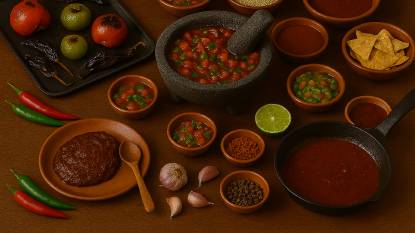


In an age of instant gratification and pre-packaged flavor, the soul of Mexican cuisine stands as a defiant testament to the profound rewards of patience. The “secret” is not a single, hidden ingredient, but an unbroken chain of deliberate, transformative techniques passed down through generations. This is a culinary philosophy where the preparation of the components is as sacred as the act of cooking itself. As the legendary Oaxacan chef Abigail Mendoza Ruiz of Tlamanalli in Teotitlán del Valle teaches, “La paciencia es la madre de todo sabor” — patience is the mother of all flavor. The rich, complex, and deeply integrated taste of a true Mexican sauce is not simply assembled; it is built, layer by toasted, ground, and fried layer. ⏳
The Foundational Trinity: Roast, Peel, and Grind
The journey from raw ingredient to sublime sauce follows a rigorous, time-honored protocol. Each step is designed to maximize depth, eliminate raw harshness, and create a harmonious blend.
1. The Sacred Dry Roast: Tostar en el Comal
The comal—a flat, circular clay or metal griddle—is the altar where flavors are born. Dry-roasting over direct, even heat is the first and most critical transformation.
- Vegetables: Garlic, onions, tomatoes, and tomatillos are roasted until their skins are charred and blistered. This does more than just make them easy to peel. The high heat caramelizes natural sugars, concentrates flavors through evaporation, and introduces a fundamental smokiness (sabor ahumado) that forms the bedrock of the sauce. A raw tomato tastes of water and acid; a roasted tomato tastes of earth, sweetness, and fire.
- Chiles: Fresh chiles (poblanos, jalapeños) are roasted to develop flavor and loosen the tough skin (piel), which is then peeled away. Dried chiles (anchos, guajillos, pasillas) are lightly toasted for mere seconds to awaken their dormant oils, making them pliable and fragrant before rehydrating. Toasting a dried chile for too long, however, leads to irreversible bitterness—a test of a cook’s vigilance.
2. The Meticulous Prep: Limpiar y Remojar
This is the stage of respect for the ingredient’s character.
- Cleaning Chiles (Limpiar los Chiles): For many dishes, removing the seeds (semillas) and veins (venas) is essential. These parts contain the highest concentration of capsaicin, the compound responsible for heat. Removing them allows the chile’s true flavor profile—fruity, smoky, raisiny—to shine without overwhelming heat. In some cases, like for certain moles, the seeds are saved, toasted separately, and ground back in for body and controlled warmth.
- Soaking (Remojar): Toasted dried chiles are soaked in hot water until supple. This rehydration softens them for blending and also washes away any residual dust or bitterness, resulting in a smoother, cleaner paste.
3. The Alchemy of Fats: Freír en Manteca
While lard (manteca) is the traditional and cherished cooking fat—prized for its high smoke point and ability to carry flavors—modern kitchens may use neutral oils. The process, however, remains unchanged.
- Toasting Spices, Seeds & Nuts: Cumin, clove, cinnamon, sesame seeds, pumpkin seeds (pepitas), and almonds are gently fried in hot fat. This “blooms” their essential oils, exponentially amplifying their aroma and ensuring their flavor permeates the entire sauce rather than tasting raw and dusty. This step is the difference between a sauce that tastes of spices and one that tastes with spices.
4. The Transformative Grind: Moler en el Molcajete
The molcajete y tejolote (volcanic stone mortar and pestle) is not merely a tool; it is the engine of texture and integration. Unlike a high-speed blender that pulverizes and aerates, the molcajete crushes and emulsifies.
- Scientific & Sensory Advantage: The coarse, porous stone creates friction and heat, further releasing oils. It crushes cell walls to extract maximum flavor without incorporating too much air, which can oxidize and dull bright notes. The resulting paste is uneven, textured, and deeply amalgamated. As Chef Enrique Olvera of Pujol has noted, “The molcajete gives a sauce a soul that a blender can never replicate.”
The Pivotal Final Act: “Frying the Sauce” (Freír la Salsa)
This is the masterstroke, the step that separates good sauce from transcendent sauce. Once all the roasted, peeled, soaked, and ground ingredients are combined into a raw paste, the cook does not simply heat it. They fry it.
The Process: A generous amount of fat is heated in a cazuela (clay pot) or heavy skillet. The raw sauce paste is added all at once. It will sizzle, sputter, and darken. The cook stirs constantly, often for 10-15 minutes or more, until the sauce “seasons” (se sazona).
What Happens Scientifically & Culinary:
- Flavor Concentration: Excess water evaporates, concentrating the flavors.
- Maillard Reaction & Caramelization: The sugars and amino acids in the tomatoes, onions, and chiles undergo further browning, developing deeper, more complex savory notes (umami).
- Fat Integration: The fat fully emulsifies with the solids, changing the sauce from a watery mixture into a rich, cohesive entity where the fat carries the fat-soluble flavors evenly across the tongue.
- Flavor Mellowing & Integration: The raw, sharp edges of garlic and onion mellow. The individual components cease to be distinct and fuse into a single, harmonious flavor profile. The sauce “darkens” in color and deepens in aroma, signaling it is ready.
The Flavor Investment: Traditional vs. Modern Preparation
| Preparation Step | Traditional Method (Molcajete/Comal) | Modern Shortcut (Blender/Skip) | Impact on Final Flavor |
|---|---|---|---|
| Chile/Vegetable Roasting | Dry-roasted on comal until deeply charred. | Boiled, raw, or skipped. | Traditional: Imparts foundational smoky, caramelized depth. Shortcut: Results in flat, acidic, or vegetal notes. |
| Spice/Seed Toasting | Fried individually in lard to bloom. | Added raw to blender. | Traditional: Aromatic, rounded, integrated spice flavor. Shortcut: Dusty, harsh, and separate-tasting. |
| Grinding | Crushed in molcajete for textured emulsion. | Puréed at high speed in blender. | Traditional: Rustic, oily, intense, and warm from friction. Shortcut: Smooth, aerated, can taste oxidized. |
| “Frying the Sauce” | Paste is fried long in fat until it “seasons.” | Gently heated or simmered. | Traditional: Deep, complex, unified flavor with a cooked, rich base. Shortcut: Tastes raw, disjointed, and lacks depth. |
A Culinary Mandate: Recipe for Salsa de Chile Guajillo (The Proper Way)
This recipe exemplifies the full, patient process. The difference between this and a blended version is night and day.
Yield: About 2.5 cups Time: 45 minutes (Active)
Ingredients:
- 8-10 dried guajillo chiles, stems and seeds removed
- 1 small white onion, quartered
- 2 cloves garlic, unpeeled
- 2 medium tomatoes
- 2 tbsp lard (or vegetable oil)
- 1/2 tsp cumin seeds
- 1/2 tsp dried Mexican oregano
- Salt to taste
- 1-2 cups hot water (for soaking)
Method:
- Toast & Soak: On a hot comal or dry skillet, toast the cleaned guajillo chiles for 15-20 seconds per side until fragrant and slightly puffed. Do not burn. Place in a bowl, cover with hot water, and set a plate on top to submerge. Soak for 20 minutes.
- Roast Aromatics: On the same comal, roast the onion quarters, garlic cloves, and whole tomatoes. Turn until all are soft and charred in spots. The tomatoes should be collapsing. Let cool, then peel the garlic.
- Bloom Spices: In a small saucepan, heat 1 tbsp of the lard. Fry the cumin seeds and oregano for 30 seconds until fragrant. Immediately remove from heat.
- Grind: Drain the chiles, reserving 1 cup of the soaking liquid. In a molcajete, first grind the fried cumin and oregano to a powder. Add the roasted garlic and onion, grinding to a paste. Add the soaked chiles and continue grinding patiently until a rough, thick paste forms. Finally, add the roasted tomatoes and grind until you have a cohesive, textured sauce. (Alternatively, blend all roasted/soaked ingredients with the fried spices and reserved liquid until smooth, acknowledging the textural difference).
- The Critical Fry: In a medium clay pot or skillet, heat the remaining 1 tbsp of lard over medium heat. Carefully add the entire sauce paste. It will splutter. Fry, stirring constantly with a wooden spoon, for 8-12 minutes. You will see the color darken from bright red to a deeper brick red, the aroma will become rounded and rich, and the sauce will thicken. Season with salt.
- Finish: Use immediately as a base for enchiladas, pour over cooked pork or chicken, or simmer with a little broth for a sublime soup base.
The Secrets of the Sauces
Mexican sauces draw their character from a deep tradition of working with chiles, and nowhere is this more evident than in the country’s vast family of salsas. Prepared with fresh or dried chiles, tomatoes or tomatillos, onions, garlic, herbs, and salt, salsas take shape through techniques such as roasting on a comal, boiling, or raw blending—methods documented across regional cooking. The results range from smooth, pourable salsa roja to rustic, stone‑ground molcajete versions, each offering a distinct balance of heat, acidity, and freshness. Whether served at the table or used as a cooking medium, salsas function as foundational elements in Mexican cuisine, shaping the flavor of everything from tacos to stews.
This central role of sauces becomes even more apparent when looking at Mexico’s wide world of snacks (antojitos), where salsas are not optional embellishments but structural components. Tostadas, sopes, quesadillas, and tlacoyos are traditionally finished with a spoonful of red or green salsa that adds moisture, heat, and brightness. Street foods such as elotes and esquites are commonly dressed with chile‑lime salsas or thin sauces made from dried chiles, a practice widely observed in markets and food stalls throughout the country. In these dishes, sauces bind ingredients together and deliver the punch that defines the eating experience, reinforcing how deeply intertwined salsas are with everyday Mexican cooking.
The “secret” of Mexican sauce is, therefore, a covenant between the cook and the ingredient. It is a promise to invest time, to apply transformative fire, to crush with intention, and to fry with attention. It is a rejection of haste in favor of depth. In a world of shortcuts, this ritual stands as a powerful reminder that the most rewarding flavors are not found, but earned. The next time you taste a profound, complex mole or a smoky salsa that lingers on the palate, know that you are tasting not just chiles and tomatoes, but time, tradition, and unwavering dedication.
Mexican Chile Sauce [Video]
Featured Articles
Explore rich culinary stories, exclusive chef interviews, and expert insights from kitchens around the world. Discover cooking techniques, ingredient spotlights, and behind-the-scenes looks at the tools that shape global cuisine.

Georges Auguste Escoffier: Visionary Chef Who Revolutionized French Cuisine and Modern Cooking
Discover the life and legacy of Georges Auguste Escoffier, the legendary chef who transformed French cuisine and laid the foundation for modern culinary arts. This comprehensive historical profile …

How to Use a Knife, Fork, and Spoon
Master the basics of Western table etiquette with this guide to using a knife, fork, and spoon. Learn practical tips, cultural context, and the subtle rules that shape how we dine.
The History of Chocolate
Trace the fascinating history of chocolate—from its ancient origins with the Olmecs and Maya to its transformation into a global indulgence. Explore how cacao evolved from sacred ceremonial drink to …
Georges Auguste Escoffier: Visionary Chef Who Revolutionized French Cuisine and Modern Cooking
Discover the life and legacy of Georges Auguste Escoffier, the legendary chef who …
How to Use a Knife, Fork, and Spoon
Master the basics of Western table etiquette with this guide to using a knife, fork, and …
The History of Chocolate
Trace the fascinating history of chocolate—from its ancient origins with the Olmecs and …