Salsa Mexicana: The Soul of the Table, From Ancient Metate to Global Phenomenon

By: Simon
December 21, 2025 | Updated: February 17, 2026
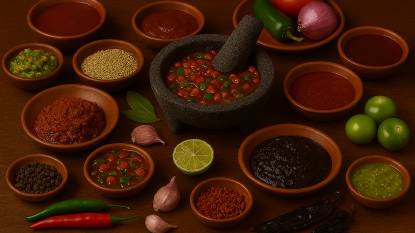


In the beginning, there was the chile, the stone, and human ingenuity. Long before it became a multi-billion dollar global industry, salsa was the beating heart of the Mexican kitchen—a dynamic, living expression of culture in a bowl. To call it merely a “sauce” is to call the Pacific Ocean merely water. Salsa is history, geography, chemistry, and personal identity, all delivered in a fiery, tangy, or smoky spoonful. While it’s true that in the United States, salsa outsells ketchup—a symbolic passing of the condiment torch first noted by market researchers in the early 1990s—this fact barely scratches the surface of its profound significance at home. From the humblest street stall to the most avant-garde restaurant, salsa is the essential dialogue between cook and eater, the customizable spark that completes every meal. 🌶️
The Foundation: Chile, Stone, and Fire
The story of salsa begins millennia ago with the domestication of chiles in Mesoamerica. The ancient metate (a large stone slab and rolling pin) was the original food processor, used to grind chiles, tomatoes, tomatillos, and spices into cohesive pastes. This manual grinding, unlike modern blending, crushes cell walls to release essential oils and creates a textured, emulsified sauce that many purists argue is superior in flavor and mouthfeel. As renowned chef and author Diana Kennedy tirelessly emphasized, “The molcajete (a volcanic stone mortar and pestle) is not just a tool; it is an instrument for extracting the soul of the ingredients.”
The Chile: The Indispensable Heartbeat
The constant, the star, the non-negotiable. Mexico is home to over 200 varieties of chiles, used in every conceivable state: fresh (chiles frescos), dried (chiles secos), smoked, pickled, and powdered. To the uninitiated, “heat” is the primary characteristic, but to the Mexican palate, each chile offers a distinct flavor profile:
- Jalapeño (fresh): Bright, grassy, and vegetal heat.
- Serrano (fresh): Sharper, hotter, and crisper.
- Poblano (fresh, often roasted): Deep, rich, with a hint of bitterness, mild heat.
- Guajillo (dried): Tangy, berry-like sweetness with medium heat.
- Ancho (dried poblano): Sweet, raisiny, and chocolaty, with low heat.
- Chipotle (smoked and dried jalapeño): Smoky, sweet, and earthy with a slow-building heat.
- Habanero (fresh): Fruity, floral, and explosively hot—a king of the Yucatán.
This nuanced understanding transforms salsa-making from a simple recipe into a composer’s art, balancing heat, acidity, sweetness, and umami.
The Salsa Spectrum: A Taxonomy of Flavor
Salsas can be categorized by color, technique, or region, but their true diversity is almost infinite. Here is a guide to the principal families.
1. The Raw & Fresh: Salsas Crudas
These are the quick, vibrant expressions of the garden, often made in a molcajete.
- Pico de Gallo (“Rooster’s Beak”): The iconic chunky relish of diced tomato, onion, cilantro, and fresh chiles (usually jalapeño or serrano), bound with lime juice and salt. It’s a texture and freshness booster.
- Salsa Mexicana: Similar to Pico de Gallo but often more finely chopped and juicier, served ubiquitously alongside tacos.
- Salsa Verde Cruda: A bracing, bright green sauce of raw tomatillos, serranos, cilantro, onion, and lime. At Contramar in Mexico City, Chef Gabriela Cámara serves a legendary version with her iconic tuna tostadas.
2. The Cooked & Complex: Salsas Cocidas
Applying heat—boiling, roasting, frying—deepens and sweetens flavors, creating more integrated, saucy textures.
- Salsa Roja de Molcajete: The archetypal red salsa. Tomatoes, garlic, and chiles (like serrano or arbol) are roasted on a comal until blistered, then ground in a molcajete with salt. The result is smoky, rich, and perfectly textured.
- Salsa Verde Cocida: Tomatillos and chiles are boiled until tender, then blended with cilantro for a tangy, creamy-green cooked sauce essential for enchiladas verdes and chilaquiles.
- Salsa de Chile de Árbol: A fiery, thin red sauce made by blending rehydrated or fried árbol chiles with garlic and vinegar. It’s a staple at taco stands for those who seek serious heat.
3. The Specialists: Regional & Unique Salsas
- Salsa Borracha (“Drunken Salsa”): From Central Mexico, a paste-like salsa of roasted pasilla chiles, onion, and garlic, “drunken” with pulque (fermented agave sap) or beer, often served over barbacoa.
- Salsa Macha: A Oaxacan and Veracruzana treasure. It is a nut and seed-based salsa, not tomato-based. Dried chiles (árbol, morita), garlic, peanuts, and sesame seeds are fried in oil, then ground into a coarse, crunchy, intensely savory and spicy paste. Chef Alejandro Ruíz of Casa Oaxaca calls it “umami in a jar.”
- Salsa Xni Pec (“Dog’s Nose,” Yucatán): A fiery habanero-based cruda with red onion, lime, and orange juice, so named because its heat makes your nose wet.
- Salsa Taquera: The classic thin, red, oily salsa seen spinning in molcajetes at taco al pastor stands, typically made from boiled or fried chiles de árbol and arbol peppers.
Nutritional Profile: The Health in the Heat
Contrary to being a mere condiment, well-crafted salsa is a nutrient-dense, low-calorie powerhouse. It is the ultimate “healthy flavor.”
| Ingredient (in a typical 2 tbsp serving) | Key Nutrients | Health Benefits |
|---|---|---|
| Fresh Chiles (e.g., Jalapeño) | Capsaicin, Vitamin C (145% DV*), Vitamin A | Anti-inflammatory, metabolism-boosting, rich in antioxidants. |
| Tomatillos | Vitamin C, Vitamin K, Fiber, Withanolides | Good for immune support and bone health; contains unique anti-inflammatory compounds. |
| Cilantro | Vitamin K, Vitamin A, Antioxidants like Quercetin | May aid in heavy metal detoxification and have antimicrobial properties. |
| Garlic & Onion | Allicin, Quercetin, Organosulfur Compounds | Cardiovascular benefits, anti-bacterial, and prebiotic fibers for gut health. |
| Lime Juice | Vitamin C, Citric Acid | Enhances iron absorption from other foods (like beans), aids digestion. |
DV = Percent Daily Value based on a 2,000 calorie diet. Data sourced from USDA National Nutrient Database and Mexican nutritional studies.
The Philosophy: Salsa as Communal Ritual
In Mexico, salsa is deeply democratic. A restaurant table without a bowl of salsa is considered incomplete. It is the diner’s prerogative—their personal touch—to adjust the final flavor of their dish. This act of self-serving embodies a communal dining philosophy: the cook provides the foundation, and the eater completes it to their own taste and tolerance. It’s a ritual of participation.
A Master Recipe: Salsa Roja Asada (Roasted Red Salsa)
This is a foundational, versatile cooked salsa that captures the essence of Mexican fire and stone.
Yield: About 2 cups Difficulty: Easy Equipment: Comal (or heavy skillet), Blender or Molcajete
Ingredients:
- 500g (about 4-5 medium) ripe Roma tomatoes
- 1 small white onion, quartered
- 3-4 cloves garlic, unpeeled
- 2-3 chiles serranos (or 2 jalapeños), stems removed (adjust for heat)
- 1 small bunch of cilantro, stems trimmed (about 1/2 cup packed)
- Juice of 1 lime
- 1 tsp salt, or to taste
- Water, as needed
Method:
- Char the Vegetables: Heat a comal, cast-iron skillet, or grill over medium-high heat. Place the whole tomatoes, onion quarters, garlic cloves, and fresh chiles on the dry surface. Roast, turning occasionally, until everything is deeply charred and blistered in spots. The tomatoes should be soft, the onions translucent, and the garlic cloves soft inside their skins. This process should take 10-15 minutes.
- Peel the Garlic: Let the garlic cool slightly, then squeeze the softened cloves out of their papery skins.
- Blend or Grind: For a smooth salsa, place all roasted vegetables (including any juicy tomato liquid) into a blender. Add cilantro, lime juice, and salt. Blend until smooth. For a traditional textured salsa, grind the roasted vegetables in a molcajete first, then incorporate the chopped cilantro, lime, and salt.
- Adjust & Serve: Taste and adjust salt and lime. If the salsa is too thick, add a tablespoon of water to reach desired consistency. Pour into a bowl. The flavor deepens if allowed to rest for 30 minutes. Serve with everything. 🍅🔥
The Global Journey & Future
From its ancestral roots in the metate, salsa’s journey to global supermarket shelves is a story of cultural adoption and adaptation. Brands like Herdez and La Costeña became household names, while chefs like Enrique Olvera of Pujol in Mexico City deconstruct and revere it in fine dining contexts, serving a sublime salsa de chile morita as a course unto itself.
Yet, for all its global success, the soul of salsa remains in the Mexican home and the market stall, in the rhythmic scraping of stone against stone, in the careful selection of chiles, and in the shared bowl passed around the table. It is, and will always be, the indispensable, vibrant soul of Mexican cuisine.
In Mexico, the foundation of salsa-making is closely tied to the country’s long tradition of preparing chile pastes. These pastes—made by toasting dried chiles such as ancho, guajillo, pasilla, or chipotle, then rehydrating and grinding them with aromatics—function as concentrated flavor bases in home kitchens and professional cooking alike. Their role is practical: a well‑made paste allows cooks to build depth quickly, whether seasoning beans, vegetables, or forming the backbone of a marinade. This technique is documented across regional cuisines, from central Mexico to the south, and remains one of the most efficient ways to extract the full character of dried chiles.
From these pastes emerge the wide family of Mexican sauces, which vary by region, chile variety, and preparation method. Salsas may be raw, roasted, boiled, or fried, and they often incorporate tomatoes, tomatillos, onions, garlic, herbs, or spices. The transformation from paste to salsa is simple: once a chile paste is thinned with water, broth, or blended produce, it becomes a pourable sauce used at the table or in cooking. This continuity—one technique yielding many expressions—is central to Mexican cuisine. Whether spooned over tacos, simmered with meats, or served alongside grilled fish, salsas provide the acidity, heat, and brightness that define the country’s culinary identity.
References & Further Reading
Sponsored links
- Kennedy, Diana. The Art of Mexican Cooking. Clarkson Potter, 2008.
- Muñoz Zurita, Ricardo. Diccionario Enciclopédico de la Gastronomía Mexicana. Larousse, 2012.
- “The Rise of Salsa in the U.S.” Smithsonian Magazine, 2019.
- Bosland, P.W. (1996). “Capsicums: Innovative Uses of an Ancient Crop.” In Progress in New Crops. ASHS Press.
Salsa Verde Secrets [Video]
Featured Articles
Explore rich culinary stories, exclusive chef interviews, and expert insights from kitchens around the world. Discover cooking techniques, ingredient spotlights, and behind-the-scenes looks at the tools that shape global cuisine.

Georges Auguste Escoffier: Visionary Chef Who Revolutionized French Cuisine and Modern Cooking
Discover the life and legacy of Georges Auguste Escoffier, the legendary chef who transformed French cuisine and laid the foundation for modern culinary arts. This comprehensive historical profile …

How to Use a Knife, Fork, and Spoon
Master the basics of Western table etiquette with this guide to using a knife, fork, and spoon. Learn practical tips, cultural context, and the subtle rules that shape how we dine.

The History of Chocolate
Trace the fascinating history of chocolate—from its ancient origins with the Olmecs and Maya to its transformation into a global indulgence. Explore how cacao evolved from sacred ceremonial drink to …
Georges Auguste Escoffier: Visionary Chef Who Revolutionized French Cuisine and Modern Cooking
Discover the life and legacy of Georges Auguste Escoffier, the legendary chef who …
How to Use a Knife, Fork, and Spoon
Master the basics of Western table etiquette with this guide to using a knife, fork, and …
The History of Chocolate
Trace the fascinating history of chocolate—from its ancient origins with the Olmecs and …