Comida Corrida: The Heartbeat of Mexico's Day

By: Simon
December 20, 2025 | Updated: February 17, 2026
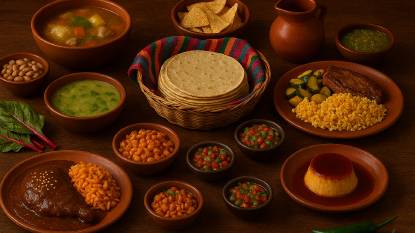


In the rhythmic pulse of the Mexican day, there is a sacred midday pause, a culinary ritual that transcends mere lunch. This is the Comida Corrida—literally, the “meal that runs.” More than a fixed menu, it is a structured, deeply rooted tradition that defines the social and gastronomic rhythm of the nation. From busy professionals in sleek capital offices to laborers in sun-drenched plazas, the comida corrida is a democratic institution, offering a multi-course, affordable, and deeply satisfying feast that is the day’s main event. It is not a quick bite; it is an experience, a moment of connection, and a celebration of regional bounty served in a specific, time-honored sequence. 🇲🇽
The Architecture of a Feast: The Four Acts
A traditional comida corrida is built upon a four-course structure, each with a distinct purpose and flavor profile, creating a journey from light and comforting to rich and complex, finishing with sweet simplicity.
Act I: Sopas y Caldos – The Comforting Overture
The meal begins not with boldness, but with warmth. The soup course is designed to welcome, comfort, and prepare the palate. As noted by culinary historian Ricardo Muñoz Zurita, “The soup is the abrazo (hug) of Mexican cuisine—it settles the spirit and opens the appetite.” 🍲
This tradition is rooted in practicality and genius. Mexican cooking often employs boiling or poaching as a primary step for meats and fish, ensuring a constant supply of rich, homemade stocks. These aromatic bases—whether chicken (caldo de pollo), beef (caldo de res), or a simple vegetable broth—become canvases for seasonal artistry.
- Sopa de Aguacate: A silky blend of avocado whisked into hot chicken broth, often garnished with crisp tortilla strips and a drizzle of crema.
- Sopa de Flor de Calabaza: A delicate, sweet soup featuring sautéed squash blossoms stirred into a corn-based broth, celebrating the fleeting bounty of summer.
- Sopa de Tortilla: Perhaps the most famous export, this smoky broth is flavored with pasilla chiles and epazote, filled with softened tortilla strips, and topped with avocado, cheese, and crema.
- Posole: The king of hearty soups. This festive stew of hominy and pork (often shoulder or pig’s feet) is a social dish, served with a array of fresh garnishes like shredded lettuce, radish, onion, oregano, and lime, allowing each diner to customize their bowl.
Chef’s Insight: At Maximo Bistrot in Mexico City, Chef Eduardo García elevates the simple soup course with hyper-local ingredients. His “Sopa de Hongos Silvestres” features a deeply flavorful broth made from roasted bones, enriched with a paste of wild mushrooms foraged from the surrounding hills, demonstrating the sophistication possible in this first act.
Accompanying this course, and all to follow, is the constant, warm presence of fresh, hand-pressed corn tortillas, used for scooping, soaking, and savoring every last drop.
Act II: Sopa Seca – The “Dry Soup” Bridge
The second course is uniquely Mexican and often mystifying to outsiders: the sopa seca, or “dry soup.” This is not a soup at all, but a dish where a starch—most commonly rice or pasta—is cooked in a seasoned broth until the liquid is fully absorbed, creating a moist, intensely flavorful side dish. It acts as a textural and flavorful bridge between the liquid soup and the substantial main course.
- Arroz Rojo/Mexicano: The quintessential sopa seca. Rice is first toasted, then simmered in a tomato, onion, and garlic broth until fluffy and vibrant red.
- Fideo: Thin vermicelli noodles are browned in oil, then cooked in a similar tomato-based broth. It can be served as-is or casserole-style (fideo seco).
- Arroz a la Poblana: A festive rice dish with poblano chile strips, corn kernels, and a hint of cream.
- Pasta con Chipotle: Reflecting historical Italian influence, pasta is often adapted with local flavors, such as in a creamy sauce infused with smoky chipotle chiles.
Nutritional Note: The sopa seca course provides complex carbohydrates for sustained energy. A typical serving of Arroz Rojo offers a base of energy with the lycopene from cooked tomatoes.
Act III: Plato Fuerte – The Regional Main Event
This is the centerpiece, the raison d’être of the meal. The plato fuerte (strong plate) showcases the protein and the defining cooking techniques of the region. It is here that Mexico’s staggering diversity is on full display, often served with a simple side of locally favored beans and perhaps a sautéed vegetable.
Regional Spotlight: A Culinary Map
| Region | Typical Plato Fuerte | Signature Element | Chef & Restaurant Example |
|---|---|---|---|
| North (Norteño) | Carne Asada (Grilled Beef) | Robust cuts, direct-fire grilling, emphasis on beef. | Chef Javier Plascencia at Misión 19 (Tijuana) showcases Baja Med-style grilled ribeye with local herbs. |
| Central (Bajío/Altiplano) | Pollo en Mole Poblano | Complex, multi-ingredient sauces (moles), braising. | Chef Carmen “Titita” Ramírez of El Bajío (Mexico City) is renowned for her iconic, deeply layered moles. |
| Oaxaca | Barbacoa de Chivo (Goat Barbacoe) | Underground pit-roasting (barbacoa), intense smokiness. | Chef Alejandro Ruíz at Casa Oaxaca serves legendary barbacoa wrapped in maguey leaves. |
| Yucatán Peninsula | Cochinita Pibil | Achiote paste, sour orange, banana leaf wrapping, and pit-roasting (píib). | Chef Luis Briceno at La Chaya Maya (Mérida) offers a quintessential, tender version. |
| Coastal (Pacific/Guif) | Pescado a la Talla | Whole fish grilled and painted with two sauces: a red chili paste and a creamy herb sauce. | At Encuentra Guadalupe in Baja, the catch of the day is transformed with this dramatic technique. |
The Bean Finale: It is customary for the plato fuerte to be followed by a small side of beans—either soupy frijoles de la olla or refried (refritos). This is not just tradition; it completes the protein profile, ensuring a nutritionally balanced meal.
Act IV: Postres – The Sweet, Simple Finale
Dessert in a comida corrida is typically light and fresh, a palate-cleansing conclusion rather than a heavy indulgence. It reflects the abundant fruit culture and the European influence of dairy-based custards.
- Fresh Fruit: A simple plate of perfectly ripe mango, papaya, or pineapple, perhaps with a sprinkle of chili powder and lime.
- Flan: The undisputed champion. This wobbly caramel custard, with its origins in Roman times brought by the Spanish, is a national treasure. Variations include flan de coco (coconut) and flan napolitano (with cream cheese).
- Arroz con Leche: Comforting rice pudding, scented with cinnamon.
- Fried Treats: Churros (fried dough sticks rolled in cinnamon sugar) or buñuelos (crispy, thin fritters drenched in piloncillo syrup) are popular for special occasions.
Indigenous Chocolate: While chocolate (xocolātl) is indigenous, it is used more traditionally as a bitter, spiced beverage or in complex moles (like mole poblano) than in sweet desserts. Its primary role in the comida corrida is often as a concluding drink, chocolate de mesa, served frothy and hot.
The Vital Accompaniments: Liquid and Bread
Aguas Frescas: These are non-negotiable. Fresh, lightly sweetened waters infused with fruits (horchata, jamaica, tamarindo, sandía) are the standard beverage, providing a refreshing counterpoint to the rich food. They are a cornerstone of the meal’s balance.
The Tortilla Constant: The warm stack of corn tortillas is the utensil, the sponge, and the sustenance. Their steady consumption throughout the meal is a rhythmic, essential part of the experience.
The Social and Cultural Fabric
The comida corrida is more than nutrition; it is a social sacrament. Businesses close, families reunite, and friends gather for this two-hour midday break. It is a time for conversation, connection, and digestion. The structure allows for a leisurely, paced dining experience that is inherently communal.
As celebrated chef Enrique Olvera of Pujol reflects, “The comida corrida teaches us about balance, seasonality, and community. It is a daily reminder that eating is one of our most important rituals, not just a necessity.” It is this profound understanding—that food is the heart of culture and connection—that makes the comida corrida the true, beating heart of Mexico’s culinary soul. ❤️🔥
References & Further Reading
Sponsored links
- Kennedy, Diana. The Art of Mexican Cooking. Clarkson Potter, 2008.
- Muñoz Zurita, Ricardo. Diccionario Enciclopédico de la Gastronomía Mexicana. Larousse, 2012.
- Pilcher, Jeffrey M. ¡Que vivan los tamales! Food and the Making of Mexican Identity. University of New Mexico Press, 1998.
- Instituto Nacional de los Pueblos Indígenas (INPI). “Cocina y Cultura Alimentaria.” Sistema de Información Cultural, Gobierno de México.
Featured Articles
Explore rich culinary stories, exclusive chef interviews, and expert insights from kitchens around the world. Discover cooking techniques, ingredient spotlights, and behind-the-scenes looks at the tools that shape global cuisine.
Georges Auguste Escoffier: Visionary Chef Who Revolutionized French Cuisine and Modern Cooking
Discover the life and legacy of Georges Auguste Escoffier, the legendary chef who transformed French cuisine and laid the foundation for modern culinary arts. This comprehensive historical profile …
How to Use a Knife, Fork, and Spoon
Master the basics of Western table etiquette with this guide to using a knife, fork, and spoon. Learn practical tips, cultural context, and the subtle rules that shape how we dine.
The History of Chocolate
Trace the fascinating history of chocolate—from its ancient origins with the Olmecs and Maya to its transformation into a global indulgence. Explore how cacao evolved from sacred ceremonial drink to …
Georges Auguste Escoffier: Visionary Chef Who Revolutionized French Cuisine and Modern Cooking
Discover the life and legacy of Georges Auguste Escoffier, the legendary chef who …
How to Use a Knife, Fork, and Spoon
Master the basics of Western table etiquette with this guide to using a knife, fork, and …
The History of Chocolate
Trace the fascinating history of chocolate—from its ancient origins with the Olmecs and …