Tuscany: Florence, Siena, Pisa, Livorno, Arezzo, Fiesole

By: Simon
September 2, 2025 | Updated: February 17, 2026
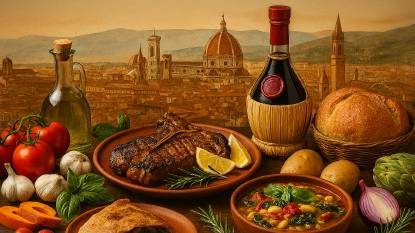


In the heart of Italy, Tuscany stands as both a cultural cradle and a culinary stronghold, where the legacy of the Renaissance still shapes the table. From Florence’s Medici banquets to the rustic kitchens of Siena, Pisa, Livorno, Arezzo, and Fiesole, the region’s cooking reflects a philosophy born of abundance yet disciplined by restraint. Here, artistry and agriculture meet: Chianina beef seared over open flames, olive oil as golden and prized as fine wine, and vegetables, herbs, and game prepared with a clarity that lets each ingredient speak for itself. Tuscany’s cuisine is not just food—it is history, landscape, and identity served on a plate.
📜 Language, Literature, and the Culinary Coup
Just as Dante executed a kind of coup—claiming de facto by his masterpiece La Commedia that the local Florentine dialect was henceforth to be known as the Italian vernacular—so Florentine cooking, especially that of the early Renaissance, has become the resonant voice of Italian food in European history.
Great Florentine cooking blossomed in the same cultural garden as Giotto’s frescoes, Boccaccio’s prose, and Petrarch’s poetry. In the 15th and 16th centuries, the banquet table was not merely a place to eat; it was a stage for spectacle.
🎭 Feasts as Cultural Theatre
Florentine feasts were major cultural happenings—various courses interspersed with performances by actors, dancers, or musicians. The table became a canvas for visual artists to create elaborately wrought sculptures and dioramas out of butter, sugar, ice, and even folded napkins—sometimes engineered to release a live bird or other creature when opened by the guest.
Yet, despite these theatrical flourishes, the Florentine Renaissance kitchen embraced a puritan-esque rejection of excess. Rich sauces gave way to preparations that glorified the simple goodness of ingredients. Even in the Medici palaces, herbs and oils displaced butter and cream.
🌿 The Tuscan Philosophy: Purity Over Excess
Celebrating pure, simple goodness is an easy task for Florentines, who live in the Eden-like bounty of Tuscany. Game is abundant, seafood always near, and the land yields produce of remarkable quality.
| Ingredient / Product | Role in Tuscan Cuisine | Notable Notes |
|---|---|---|
| Chianina cattle | Bistecca alla Fiorentina | Grilled rare, seasoned only with salt, pepper, lemon |
| Olive oil | Primary fat | Among Italy’s finest; prized like wine |
| Chianti wine | Table companion | Complements meats, soups, and bean dishes |
| White beans | Staple legume | Often in soups like ribollita |
| Herbs | Rosemary, sage, basil, parsley | Used fresh, rarely dried |
| Spices | Nutmeg, black pepper | Light seasoning, never overpowering |
🥩 Meat, Fire, and the Open Hearth
Tuscany’s famous white Chianina cattle are butchered into steaks—Bistecca or Costata alla Fiorentina—grilled over wood embers and served rare, unadorned save for a squeeze of lemon. These cows produce little milk, which is why Tuscany has no distinctive cheese-making tradition. Instead, olive oil reigns supreme, and pork products from neighboring regions fill the gap for cured meats.
🍷 Olive Oil and Wine: Twin Pillars of the Table
Olive oil from this region is among Italy’s best, with Italian olive-o-philes as fanatical and exacting as French oenophiles. Chianti, the region’s signature wine, is the perfect mate for nearly all Tuscan foods, from roasted meats to bean stews.
🌱 The New World Arrivals
Tomatoes, potatoes, and white beans—imports from the Americas—have become seamlessly integrated into Tuscan cooking. They sit alongside ancient staples like chestnuts (once milled into flour for cakes and sauces), artichokes, melons, pumpkins, mushrooms, and spinach—the latter lending its name to any dish cooked “alla Fiorentina.”
🔥 The Tuscan Cook’s Repertoire
The Tuscan cook loves to roast meats over an open fire, simmer great pots of soup, and coax the best from raw ingredients. Dishes are rarely overcomplicated; the emphasis is on clarity of flavor.
| Cooking Method | Example Dish | Key Traits |
|---|---|---|
| Grilling | Bistecca alla Fiorentina | High heat, minimal seasoning |
| Soup-making | Ribollita, Acquacotta | Thick, hearty, bean-based |
| Roasting | Wild boar, game birds | Often with rosemary and garlic |
| Sautéing | Spinach alla Fiorentina | Olive oil, garlic, fresh greens |
Tuscany’s culinary heritage is a dialogue between Renaissance refinement and rural pragmatism. It is a cuisine that has influenced not only Italy’s national identity but also the broader European palate—proof that simplicity, when rooted in exceptional ingredients, can be as enduring as any masterpiece of art or literature.
Farm to Table in Tuscany [Video]
Featured Articles
Explore rich culinary stories, exclusive chef interviews, and expert insights from kitchens around the world. Discover cooking techniques, ingredient spotlights, and behind-the-scenes looks at the tools that shape global cuisine.
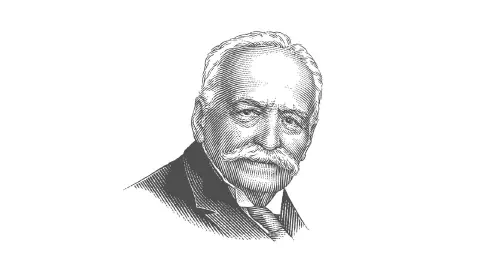
Georges Auguste Escoffier: Visionary Chef Who Revolutionized French Cuisine and Modern Cooking
Discover the life and legacy of Georges Auguste Escoffier, the legendary chef who transformed French cuisine and laid the foundation for modern culinary arts. This comprehensive historical profile …
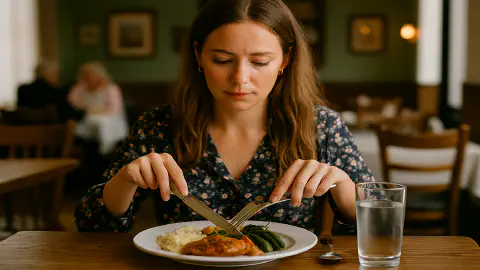
How to Use a Knife, Fork, and Spoon
Master the basics of Western table etiquette with this guide to using a knife, fork, and spoon. Learn practical tips, cultural context, and the subtle rules that shape how we dine.
The History of Chocolate
Trace the fascinating history of chocolate—from its ancient origins with the Olmecs and Maya to its transformation into a global indulgence. Explore how cacao evolved from sacred ceremonial drink to …
Georges Auguste Escoffier: Visionary Chef Who Revolutionized French Cuisine and Modern Cooking
Discover the life and legacy of Georges Auguste Escoffier, the legendary chef who …
How to Use a Knife, Fork, and Spoon
Master the basics of Western table etiquette with this guide to using a knife, fork, and …
The History of Chocolate
Trace the fascinating history of chocolate—from its ancient origins with the Olmecs and …