Italian Staples

By: Simon
July 18, 2026 | Updated: September 12, 2026

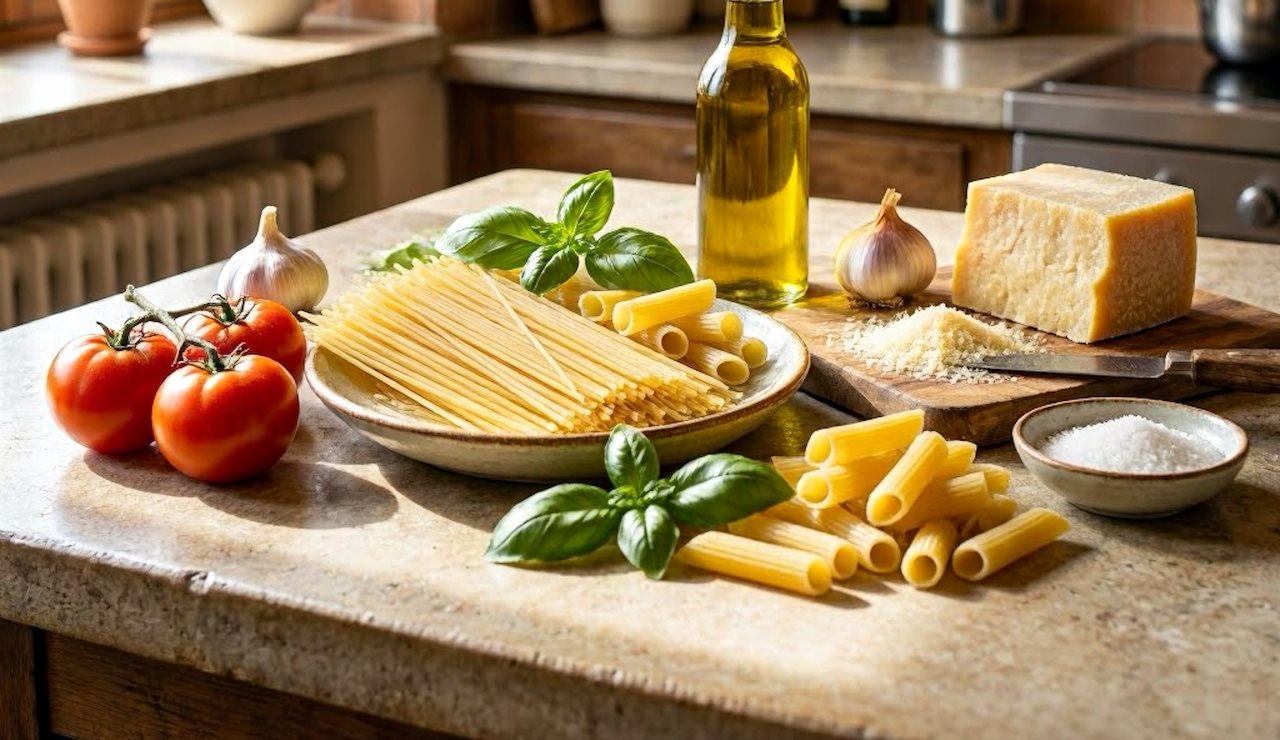
Italian food, for most of the world, begins and ends with two things: pasta and bread. But look closer, and you’ll find that the real story of Italian cooking isn’t written in rare ingredients or elaborate techniques. It’s written in grain, wheat, corn, and rice, and in the sauces and social divides that determined who ate what, and why.
Bread: The Luxury Nobody Remembers
We tend to think of bread as peasant food. Simple. Humble. The stuff of survival. But in ancient Italy, bread was the opposite. For centuries, wheat was expensive, a luxury crop. Building a brick oven required resources most rural families simply didn’t have. Fuel was costly. Professional bakers were artisans, serving those who could afford them. Bread, in its earliest Italian form, was a marker of status, especially in Northern Italy where wheat was prized.
The Etruscans and Romans ate grain, sure. But they ate it as puls, a simple porridge of farro or millet, cooked with water and salt. The Romans were even nicknamed pultiferi, or “porridge eaters.” Bread came later, and it came for the wealthy.
Today, Italian breads like focaccia and grissini are still built on the same basic principle: a yeasted dough, long and slow proofing for lightness, and a hot oven. Focaccia, with its dimpled surface and generous gloss of olive oil, gets its name from the Latin focus, meaning “hearth”, the bread was originally baked directly on the fireplace floor.
Grissini, meanwhile, were born in 17th-century Turin, invented by a baker named Antonio Brunero on the orders of a court physician. The patient? A young Duke Vittorio Amedeo II of Savoy, who needed something easier on his delicate stomach. Legend has it that Napoleon loved them so much he set up a courier service between Turin and Paris just to keep himself supplied. From royal digestion to imperial obsession, there’s nothing “peasant” about that story.
Home cooks without a brick oven need not despair. A baking stone or even an inverted baking sheet heated in a conventional oven can mimic that stone-floor radiance. The wood smoke won’t be there, but the crust will.
Pasta: The Great Divide
Italy recognizes over 350 distinct pasta shapes. But the most important division isn’t between penne and fusilli, it’s between north and south.
In the north, where dairy and eggs were abundant, fresh pasta became the tradition. Tagliatelle, tortellini, and pappardelle are rolled thin, enriched with eggs, and cooked immediately. The dough is soft, silky, and delicate, made with all-purpose flour and little more. Like a well-worn linen sheet, it is both tender and resilient, ready to be rolled, cut, and shaped into the pasta that defines the northern Italian table.
In the south, eggs were historically a luxury. Durum wheat, grano duro, grew beautifully in the hot, dry climate of Puglia, Sicily, and Campania. Ground into amber semolina and mixed with water, it produced a dough sturdy enough to be dried, shipped, and stored for months. This is the pasta of the Mediterranean pantry, shelf-stable and built for the long haul. It’s also the pasta that made Naples famous.
The debate over who “invented” pasta has long been tangled up with Marco Polo legends. But noodles were already being eaten in Italy long before Polo’s travels. The 1st-century Roman poet Horace mentioned lagana, sheets of durum wheat dough that were baked, not boiled. The real turning point came in the 8th and 9th centuries, when Arab invaders brought advanced drying techniques to Sicily, turning fresh dough into a portable, non-perishable staple. By the 1300s, dried pasta was riding along on ships across the Mediterranean. Tomatoes didn’t enter the picture until 1839, when the first documented recipe for pasta with tomato sauce appeared. The rest, as they say, is red sauce history.
Gnocchi: The Knot in the Dough
Gnocchi, the word itself might come from nocchio, meaning “a knot in wood,” or from nocca, meaning “knuckle”. Either way, you get the picture: small, lumpy, hand-formed dumplings that have been around since Roman times. The legions carried the recipe with them across the empire.
The classic Roman version was a semolina porridge, baked into firm rounds, gnocchi alla romana, still eaten today. The potato gnocchi we know and love didn’t arrive until the late 19th century, when milling fees became prohibitively expensive for small landowners in central and northern Italy. Potatoes were cheaper than wheat flour, and necessity, as always, mothered invention.
Polenta: The Poor Man’s Bread
If bread was the rich man’s grain, polenta was the poor man’s answer. Before corn arrived from the Americas in the 16th century, polenta was made from farro, millet, spelt, chickpeas, or chestnut flour, whatever starchy grain was cheapest and most available. The dish goes back to the Roman puls, and before that to ancient Mesopotamia, where the Sumerians boiled millet into a nourishing porridge.
Corn changed everything. When maize reached Europe, it thrived in the Po Valley of northern Italy, where its high yields made it affordable and abundant. Polenta, now the golden, creamy cornmeal mush we recognize, became the daily bread of the poor. It was so central to the northern Italian diet that it was called “the bread of the poor.” It could be eaten soft, fresh from the pot, or left to cool, sliced, and fried in leftover fat. Nothing went to waste.
Today’s polenta is a far cry from its humble roots. Coarse bramata grinds make a firm, rustic polenta perfect for grilling. Finer fioretto grinds turn creamy and luxurious, worthy of butter and Parmesan. But the essential truth remains: polenta is a dish of patience, demanding near-constant stirring for 45 minutes or more to achieve that silky, gelatinized texture.
Risotto: Where Technique Meets Ritual
Rice arrived late to Italy. Arab traders brought it to Sicily in the 13th century, but it was the Po Valley, the same damp plains that embraced corn, where rice truly found a home. By the 15th century, northern Italy was cultivating short-grain varieties that would become the soul of risotto.
The first recipe identifiable as risotto dates from 1809, a dish of rice sautéed in butter, cooked slowly with broth, and tinted yellow with saffron. The legend says a glass painter from the Duomo of Milan, who used saffron as pigment, added it to a wedding rice dish on a whim. True or not, risotto alla milanese was born, and it remains a cornerstone of Lombard cooking.
The magic of risotto is all in the starch. Short-grain rices like Arborio, Carnaroli, and Vialone Nano are packed with amylopectin, the starch that, when agitated and slowly hydrated, creates that signature creaminess. The technique is precise: a soffritto of onion and butter, a tostatura to toast the grains, a splash of wine, and then the gradual addition of hot broth with constant stirring. The grains rub against each other, releasing starch into the liquid. No cream required. At the end, a mantecatura, a vigorous beating with cold butter and grated Parmesan, transforms the dish into something that flows like a wave (all’onda) on the plate.
What emerges from Italy’s pantries is not just a set of ingredients but a social history written in grain. Bread for the wealthy, polenta for the poor. Egg pasta from the dairy-rich north, semolina pasta from the sun-baked south. Gnocchi born of economic hardship. Risotto elevated by patient technique. Every dish tells a story of who had what, where they lived, and how they made the most of it. That’s the real taste of Italy.
Italian Staples Video
Featured articles
Explore rich culinary stories, exclusive chef interviews, and expert insights from kitchens around the world. Discover cooking techniques, ingredient spotlights, and behind-the-scenes looks at the tools that shape global cuisine.
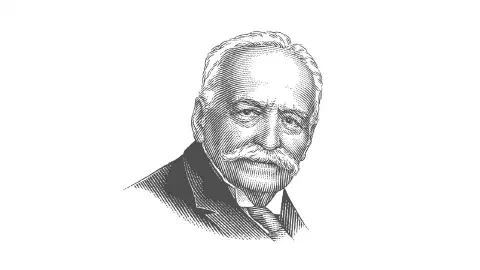
Georges Auguste Escoffier: Visionary Chef Who Revolutionized French Cuisine and Modern Cooking
Discover the life and legacy of Georges Auguste Escoffier, the legendary chef who transformed French cuisine and laid the foundation for modern culinary arts. This comprehensive historical profile …
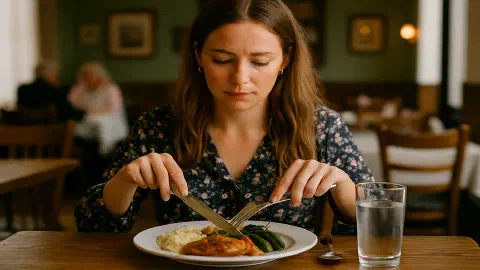
How to Use a Knife, Fork, and Spoon
Master the basics of Western table etiquette with this guide to using a knife, fork, and spoon. Learn practical tips, cultural context, and the subtle rules that shape how we dine.
The History of Chocolate
Trace the fascinating history of chocolate, from its ancient origins with the Olmecs and Maya to its transformation into a global indulgence. Explore how cacao evolved from sacred ceremonial drink to …
Georges Auguste Escoffier: Visionary Chef Who Revolutionized French Cuisine and Modern Cooking
Discover the life and legacy of Georges Auguste Escoffier, the legendary chef who …
How to Use a Knife, Fork, and Spoon
Master the basics of Western table etiquette with this guide to using a knife, fork, and …
The History of Chocolate
Trace the fascinating history of chocolate, from its ancient origins with the Olmecs and …