Emilia-Romagna: The Gastronomic Heartland of Northern Italy

By: Simon
September 2, 2025 | Updated: February 17, 2026
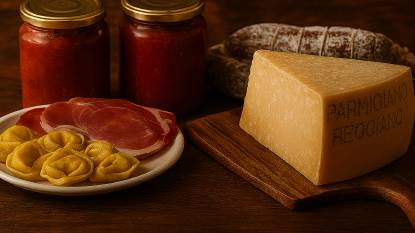


Emilia-Romagna’s cuisine is rooted in wealth and abundance. Meat is central, and cooking methods like roasting and boiling are treated with near-religious devotion. Elaborate antipasti are often avoided—locals prefer a simple slice of salami or prosciutto to whet the appetite. This is a region where food is not just sustenance—it’s identity.
Emilia-Romagna occupies the sun-drenched Po Valley just south of Lombardy and Veneto, standing as Italy’s most fertile agricultural expanse. Vast fields here yield the majority of the nation’s prized tomatoes along with cherries, plums and quince, many destined for canning and export. The region’s abundance not only fuels local trattorias and osterias but also underpins artisanal conserves that bear its name in markets across Europe and beyond. This convergence of climate, soil and centuries of farming expertise cements Emilia-Romagna’s reputation as the epicenter of authentic Italian produce.
Parma, Modena and Bologna—affectionately nicknamed “La Grassa” or the Fat—serve as hubs of culinary heritage in Emilia-Romagna. Parma lends its name to the world-renowned Parmigiano-Reggiano cheese and the sweet, ruby-hued Prosciutto di Parma. Modena is celebrated for its aged balsamic vinegar and lively Lambrusco wines, while Bologna boasts velvety ragù, delicate tortellini in brodo and iconic mortadella. Each city’s gastronomic identity reflects a fusion of artisanal craftsmanship, protective designations and an unwavering commitment to flavor integrity.
Parmigiano-Reggiano, governed by strict PDO regulations, matures between 12 and 36 months to develop its signature granular texture and nutty-sweet complexity. Though the cheese bears Parma’s name, its wheels traditionally originate in neighboring Reggio Emilia. Prosciutto di Parma achieves its incomparable sweetness and rosy hue through a nine- to twelve-month sea-salt cure, drawing on the region’s temperate breezes. Beyond these flagships, Emilia-Romagna’s repertoire includes an array of salumi—coppa, pancetta and salame felino—each cured according to time-honored recipes that amplify the region’s slow-food philosophy.
Egg-enriched pasta in Emilia-Romagna transcends mere sustenance to become an art form. Sheets of dough are rolled wafer-thin for lasagne verdi, cut into ribbons for tagliatelle and shaped into plump tortellini filled with spins of ricotta, spinach, game or sweet meats. True ragù alla Bolognese, simmered over low heat with soffritto, wine and blended meats, is meant for tagliatelle or broad lasagne—never spaghetti—a testament to the region’s fastidious pairing of noodle and sauce. This devotion to texture and harmony elevates every dish from simple fare to gastronomic mastery.
Beyond its cheeses, meats and pastas, Emilia-Romagna’s culinary canvas extends to Modena’s traditional balsamic vinegar, matured in a battery of wooden barrels for decades, and to the elusive white truffles of the Apennine foothills. Foragers harvest porcini, chanterelles and myriad wild mushrooms each autumn, enriching risottos, sauces and omelettes with earthy depth. These regional delicacies, combined with the marriage of local seasonality and meticulous technique, ensure that Emilia-Romagna’s gastronomic legacy remains unmatched in Northern Italy.
Key Products of Emilia-Romagna
Emilia-Romagna’s culinary prestige extends beyond pasta and cheese. The region is home to balsamic vinegar from Modena, prized white truffles, and wild mushrooms. These ingredients elevate even the simplest dishes into gourmet experiences.
| Product | Origin | Characteristics |
|---|---|---|
| Tomatoes | Po Valley | High-yield fields, canned exports, rich umami |
| Parmigiano-Reggiano | Parma/Reggio Emilia | 12–36 month aging, PDO, nutty-sweet, granular |
| Prosciutto di Parma | Parma | 9–12 month cure, sea-salt, delicate sweetness |
| Balsamic Vinegar | Modena | Aged in wooden barrels, sweet-tart, viscous |
| Egg Pasta & Fillings | Bologna & surrounds | Egg-enriched dough, varied shapes, savory fillings |
🧀 The Kingdom of Parmigiano-Reggiano
Parmesan cheese—arguably the most iconic ingredient in Italian cooking—is born here. Though named after Parma, Parmigiano-Reggiano is traditionally produced in Reggio Emilia. Its production is tightly regulated by Italian law to ensure quality and authenticity.
Parmigiano-Reggiano Facts:
- 🧀 Dual appellation: Parma + Reggio Emilia
- 🧂 Aged for 12–36 months
- 🇮🇹 Protected Designation of Origin (PDO) status
🍝 Pasta: Egg-Rich, Hand-Rolled, and Often Stuffed
Unlike the olive oil-based dishes of southern Italy, Emilia-Romagna’s cuisine leans into richness. Pasta here is made with eggs and flour, rolled thin for lasagna or tagliatelle. Stuffed varieties—like tortellini and cappelletti—are filled with cheese, vegetables, pork, or even sweetmeats.
Pasta Traditions:
- 🥚 Egg-based dough
- 🍖 Meat-centric fillings
- 🍽 Served with ragù, never spaghetti in Bologna
“Spaghetti Bolognese” may be a global staple, but in Bologna, ragù is served over tagliatelle—never spaghetti.
Cities and Their Signature Specialties
Three cities anchor Emilia-Romagna’s culinary reputation:
| City | Signature Specialties |
|---|---|
| Parma | Parmigiano-Reggiano, Prosciutto di Parma, Culatello di Zibello |
| Modena | Traditional Balsamic Vinegar, Lambrusco, Zampone |
| Bologna | Tortellini in Brodo, Ragù alla Bolognese (served with tagliatelle), Mortadella |
Each city offers a distinct flavor profile, yet all share a reverence for quality, tradition, and the sacred rituals of cooking.
Featured Articles
Explore rich culinary stories, exclusive chef interviews, and expert insights from kitchens around the world. Discover cooking techniques, ingredient spotlights, and behind-the-scenes looks at the tools that shape global cuisine.
Georges Auguste Escoffier: Visionary Chef Who Revolutionized French Cuisine and Modern Cooking
Discover the life and legacy of Georges Auguste Escoffier, the legendary chef who transformed French cuisine and laid the foundation for modern culinary arts. This comprehensive historical profile …
How to Use a Knife, Fork, and Spoon
Master the basics of Western table etiquette with this guide to using a knife, fork, and spoon. Learn practical tips, cultural context, and the subtle rules that shape how we dine.
The History of Chocolate
Trace the fascinating history of chocolate—from its ancient origins with the Olmecs and Maya to its transformation into a global indulgence. Explore how cacao evolved from sacred ceremonial drink to …
Georges Auguste Escoffier: Visionary Chef Who Revolutionized French Cuisine and Modern Cooking
Discover the life and legacy of Georges Auguste Escoffier, the legendary chef who …
How to Use a Knife, Fork, and Spoon
Master the basics of Western table etiquette with this guide to using a knife, fork, and …
The History of Chocolate
Trace the fascinating history of chocolate—from its ancient origins with the Olmecs and …