Seasonal Vegetables: Late Spring (May Through Early June)

By: Simon
July 19, 2026 | Updated: September 12, 2026

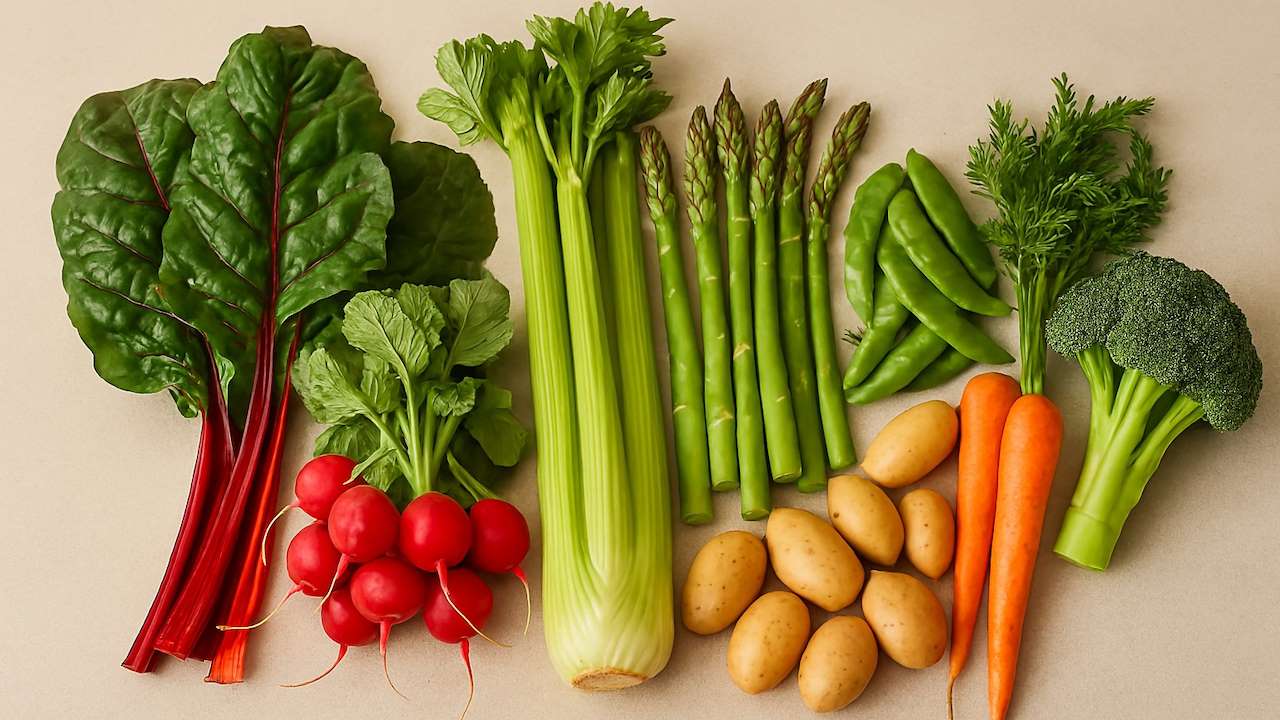
Late spring vegetables are available from May through early June. Some extend through late summer and are identified below each entry. This is the season when the garden truly comes alive, when the first tender crops of early spring give way to a more substantial harvest. The days are longer, the soil is warm, and the market stalls fill with color.
Unlike early spring, which is defined by fleeting foraged treasures like ramps and morels, late spring offers vegetables that are more abundant and more lasting. This is the time for artichokes, beets, fava beans, and the first new potatoes of the year.
Artichokes
Artichokes really only thrive in California along the coast, but they transport well, and that one state manages to provide the rest of the country with a good supply during most of the spring and fall.
The artichoke is related to the thistle plant. If left on the plant, it would expand into a showy purple flower. Spring artichokes are bright green. Later in the year, during their second peak season in fall, they may be a little bronzed or tarnished-looking. This is caused by exposure to light frost and does not affect the flavor.
Very small, new artichokes are found mostly in the spring. These can be sauteed and eaten whole, because the choke has not yet developed. Artichokes pair well with light sauces: lemon juice, butter, and hollandaise.

Arugula
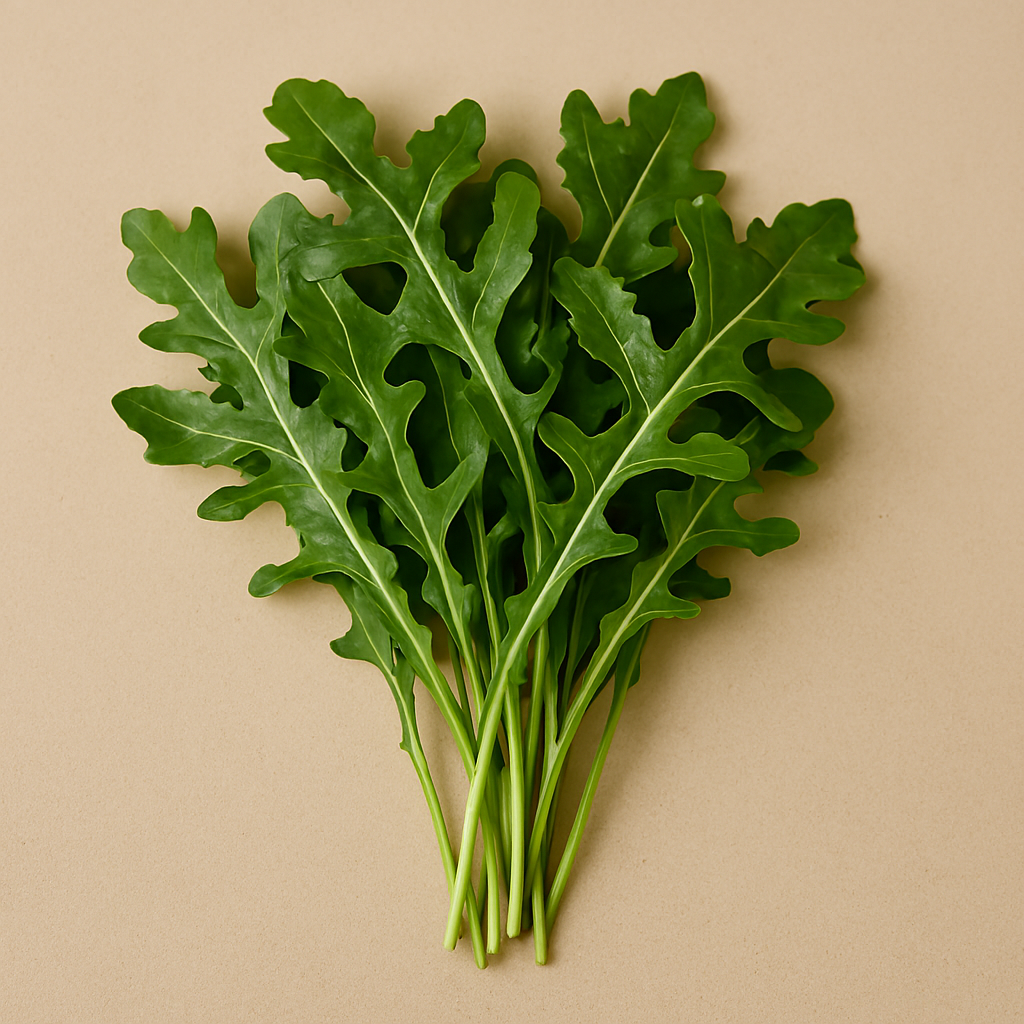
A peppery green, arugula is associated with Italian cooking, although it has been gaining popularity for years. It goes by several names, among them “rocket” and “rucola.” Because it is grown in very sandy soil, arugula leaves must be washed well before use.
Look for arugula both in salads and cooked. It is a popular addition to pastas, risottos, and stews, or it can be simply sauteed and served as a side dish. Its peppery bite is a natural counterpoint to rich ingredients like Parmesan, pine nuts, and olive oil.
Beets and Beet Greens
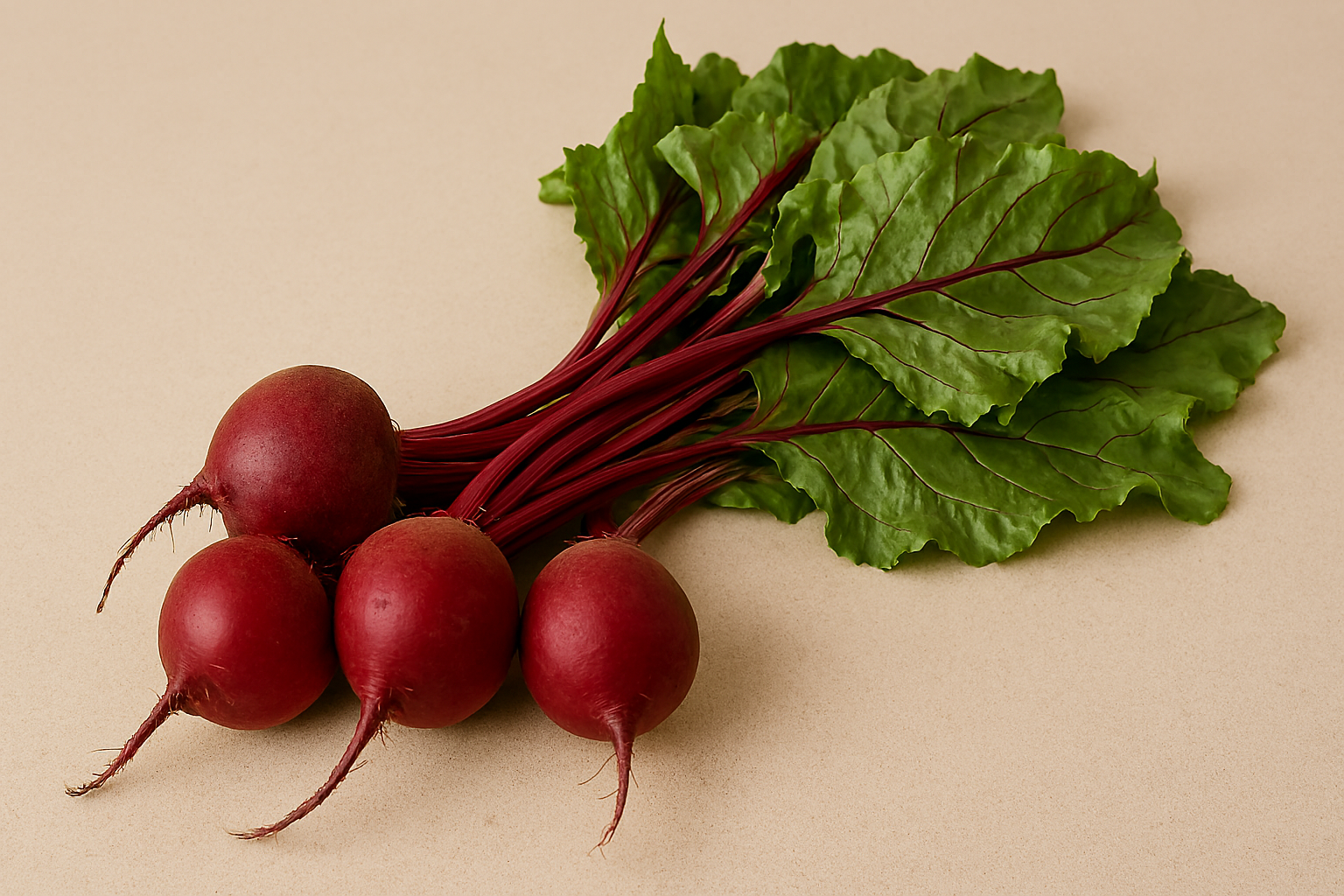
Although beets may be found in markets year-round, spring beets are tiny, tender, and altogether exceptional. In addition to the vivid purple color that is associated with beets, recent years have seen golden and scarlet varieties, as well as striped and multicolored variants.
The paler varieties of beets tend to be milder because they lack the pigment betacyanin, which gives traditional beets their color and distinctive flavor. Smaller beets will be tenderer and less woody than larger ones. As with all root vegetables, cut off the greens immediately because they continue to draw moisture from the roots. The beet greens, steamed or sauteed, are a delicacy in themselves.
Beets can be pickled, steamed, or roasted. They are popular in salads and pair well with mint, orange, coriander, horseradish, and balsamic vinegar.
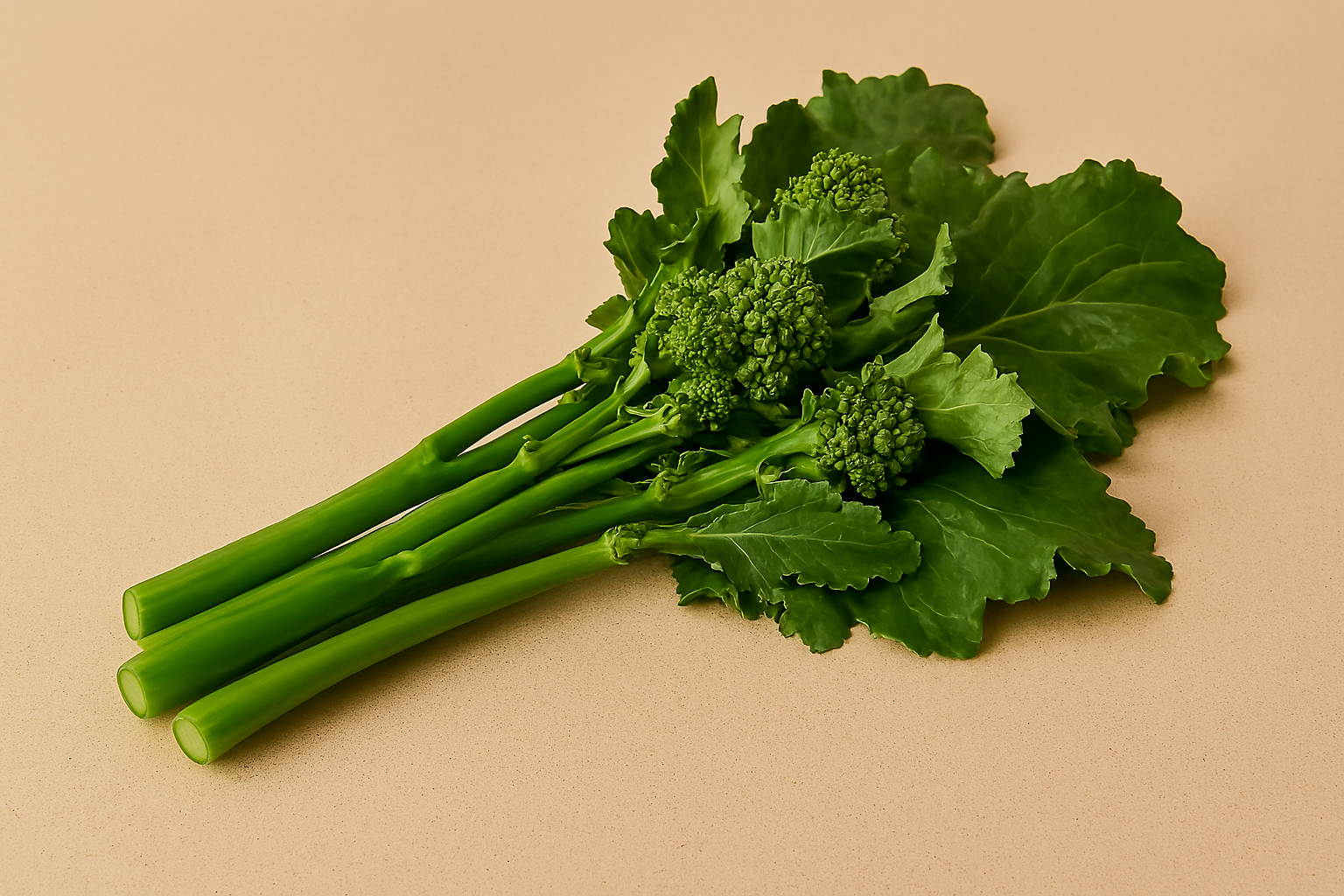
Broccoli Rabe
In spite of the name, broccoli rabe, also known as rapini, is a closer relative of turnips than of broccoli. The taste is not unlike turnip greens. Whether sauteed in soups or tossed with pasta, this slightly bitter vegetable is rarely prepared without garlic.
Good flavor pairings include cream, Parmesan cheese, and olive oil. The bitterness of broccoli rabe is part of its appeal, balancing rich dishes with its sharp edge.
Chard
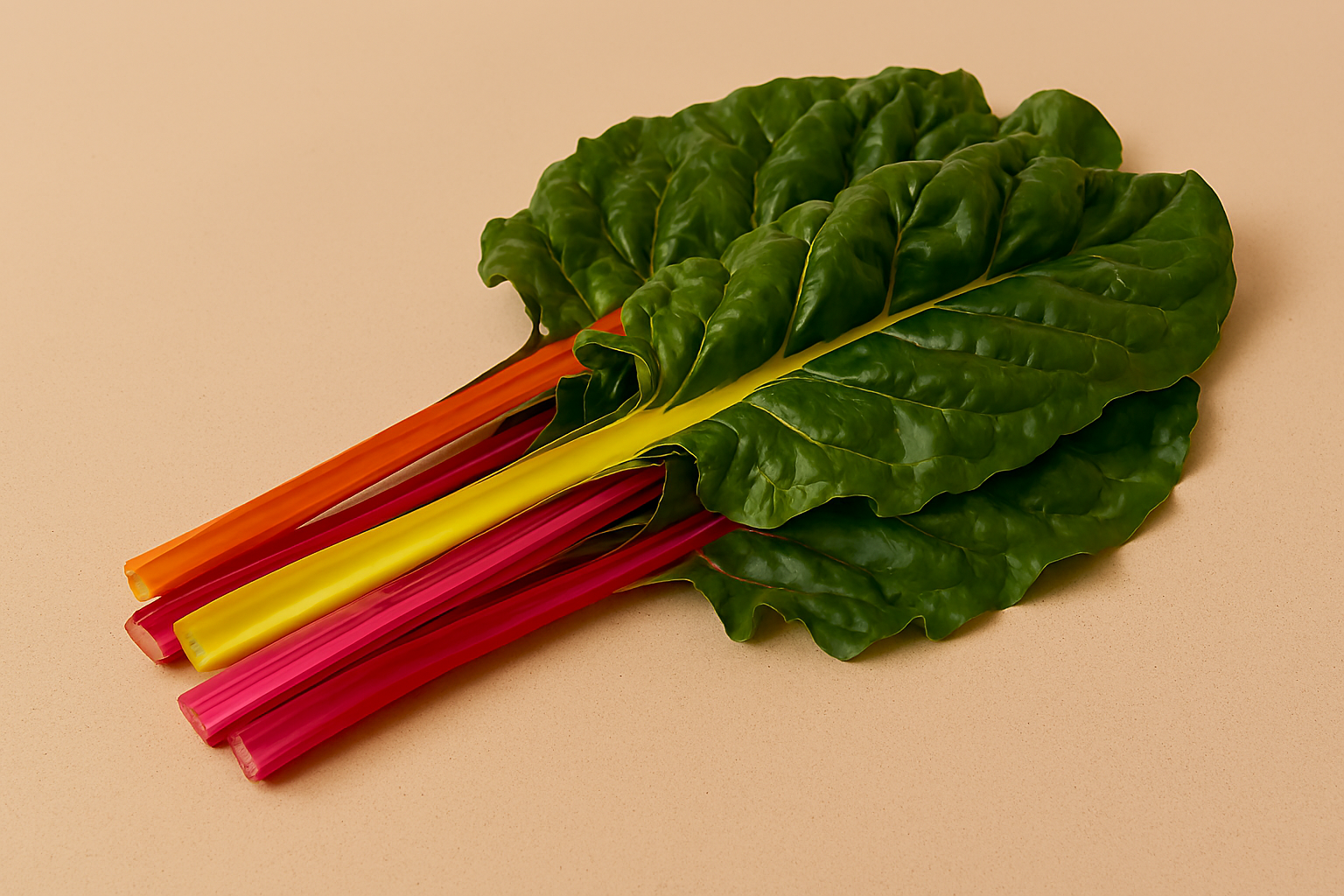
Chard is related to the beet but has been developed to direct its energy into producing lush, dark green leaves veined with red or bright white instead of roots. Chard is very perishable, so it is rarely shipped to distant markets and must instead be provided by local farmers.
Some people prefer to tear the stalks from the chard leaves and cook them separately. This mild-flavored green is Mediterranean in origin and is usually combined with the corresponding ingredients: garlic, olive oil, tomatoes. Sauteeing preserves both the flavor and the vitamins.
Fava Beans
Fava beans, also called broad beans, are one of many varieties of shell beans. They grow in tough-shelled pods and must be removed before use. In the spring, fresh fava pods find their way to the market, followed soon by their relatives, the cranberry bean and the lima.
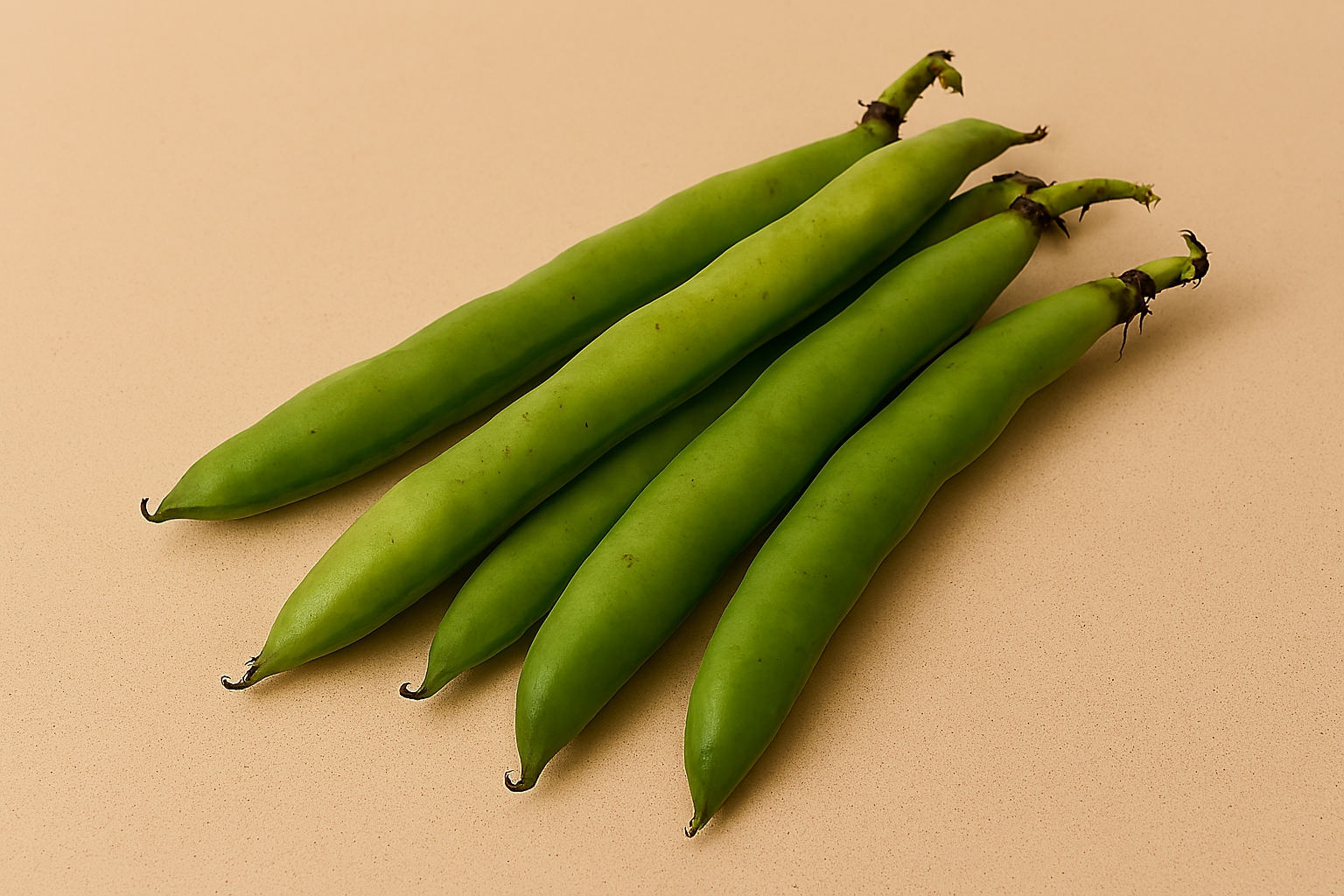
Fresh fava beans cook quite quickly, with a blanching of three or four minutes usually sufficient. A small proportion of people of Mediterranean extraction are susceptible to favism, which can be triggered by eating raw fava beans or breathing the pollen. These people should avoid favas altogether or eat them well cooked.
Look for fava beans in French, Italian, and Middle Eastern dishes. Egyptians traditionally breakfast on them in the form of ful medammes. They can also be made into a creamy puree similar to hummus.
Fennel
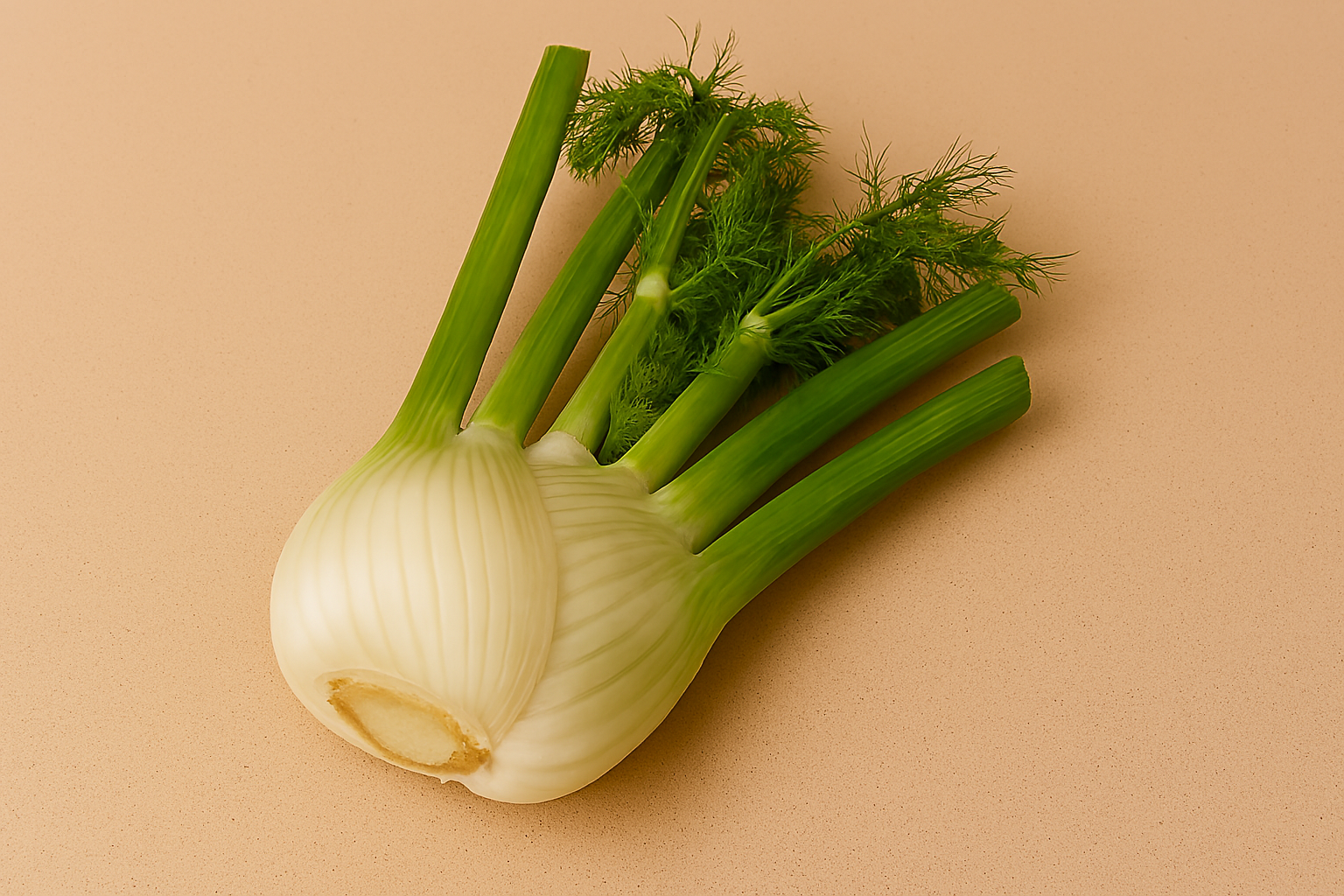
Every part of the fennel plant is edible and tastes just a bit like licorice. The seeds and leaves are most commonly used as a spice and herb, respectively. The bulb is used as a vegetable and has long been popular in Europe, although it has only more recently caught on in the United States.
Unlike many root vegetables, fennel is very good raw. In Italy, raw fennel sprinkled with lemon juice and olive oil is a popular antipasto. Look for fennel combined with chicken in salads or stews, grilled, or braised with herbs. Its light flavor is a good complement for fish.
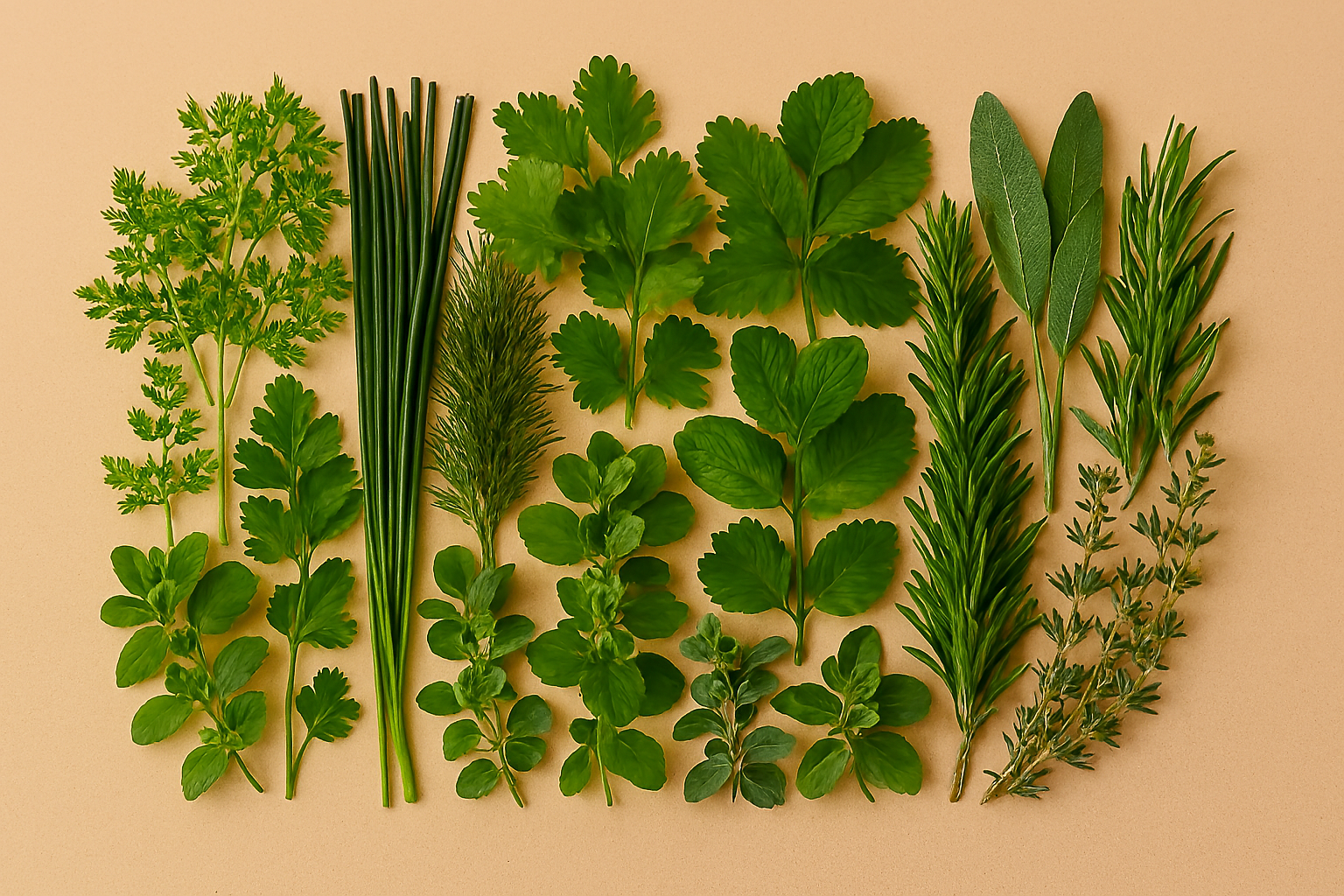
Fresh Spring Herbs
Chervil, chives, cilantro, dill, marjoram, mint, oregano, parsley, rosemary, sage, tarragon, and thyme are all at their peak in late spring. This is the time to plant them in the garden or in pots on a windowsill. A handful of fresh herbs can transform a simple dish into something memorable.
Each herb has its own affinity: mint with peas, dill with fish, tarragon with chicken, basil with tomatoes. The abundance of fresh herbs in late spring is one of the season’s greatest pleasures.
New Potatoes
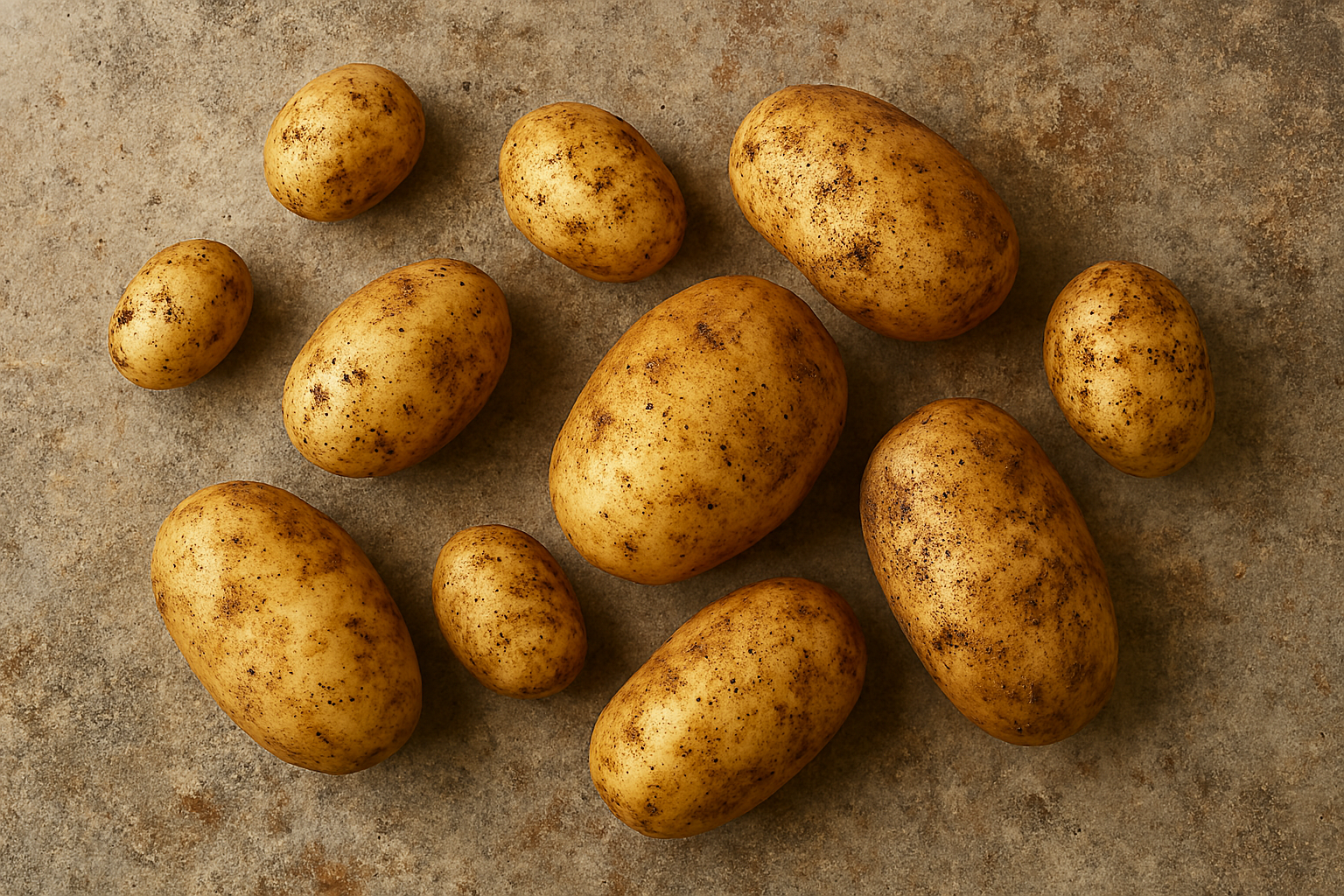
New potatoes are literally not-quite-mature potatoes. They are dug from the ground and sent to market immediately. Sometimes, especially in the off-season, mature potatoes of the waxy types are sold as “new potatoes,” but they are not.
New potatoes are best steamed or boiled and served hot or tossed with a light dressing. There are very few herbs that do not complement their flavor: parsley, mint, rosemary, thyme, and chives are just a few. They are not appropriate for baking, mashing, or frying, for which the higher starch content of mature potatoes is needed.
Peas (Green, Sugar Snap, Snow)
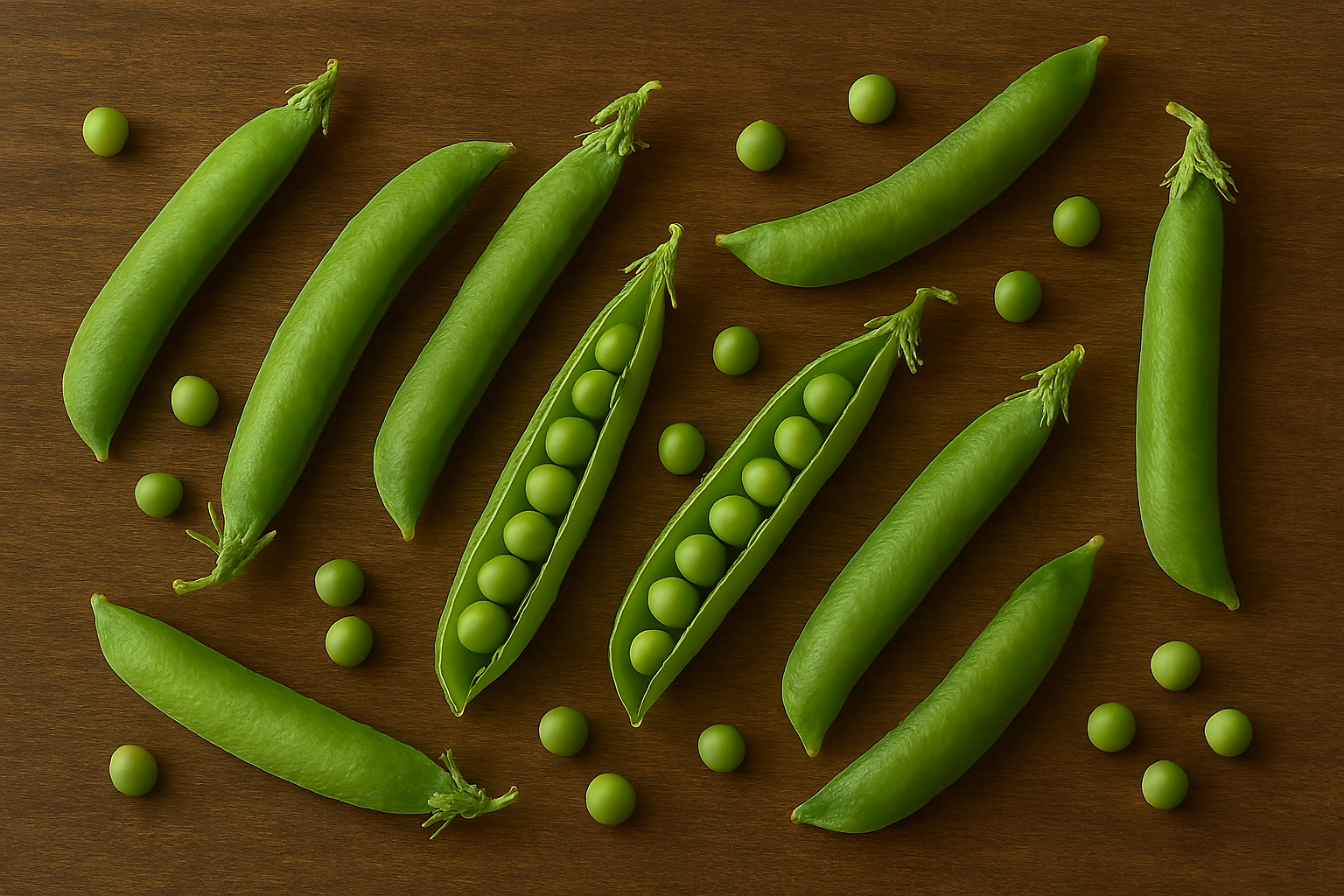
Green peas, snow peas, and their hybrid, the sugar snap pea, all arrive about the same time in late spring. All three types are sweet and tender and need very little cooking, if any. Because peas contain lots of sugar which converts to starch after picking, it is best to buy them as fresh as possible.
Green peas are also known as English peas or, in France, petit pois. They must be removed from their fibrous pods before cooking. Snow peas and sugar snap peas, on the other hand, are eaten pod and all. Green peas are most traditionally served tossed with fresh mint and butter. They are also the basis for many pureed spring soups and are added to countless casseroles and melanges.
Peas are popular in India, where they appear in vegetarian curries along with cauliflower and potatoes, as well as in pilafs. Sugar snap peas and snow peas, lightly sauteed, are often served by themselves. Snow peas are especially common in stir-fries.
Scallions and Garlic Greens
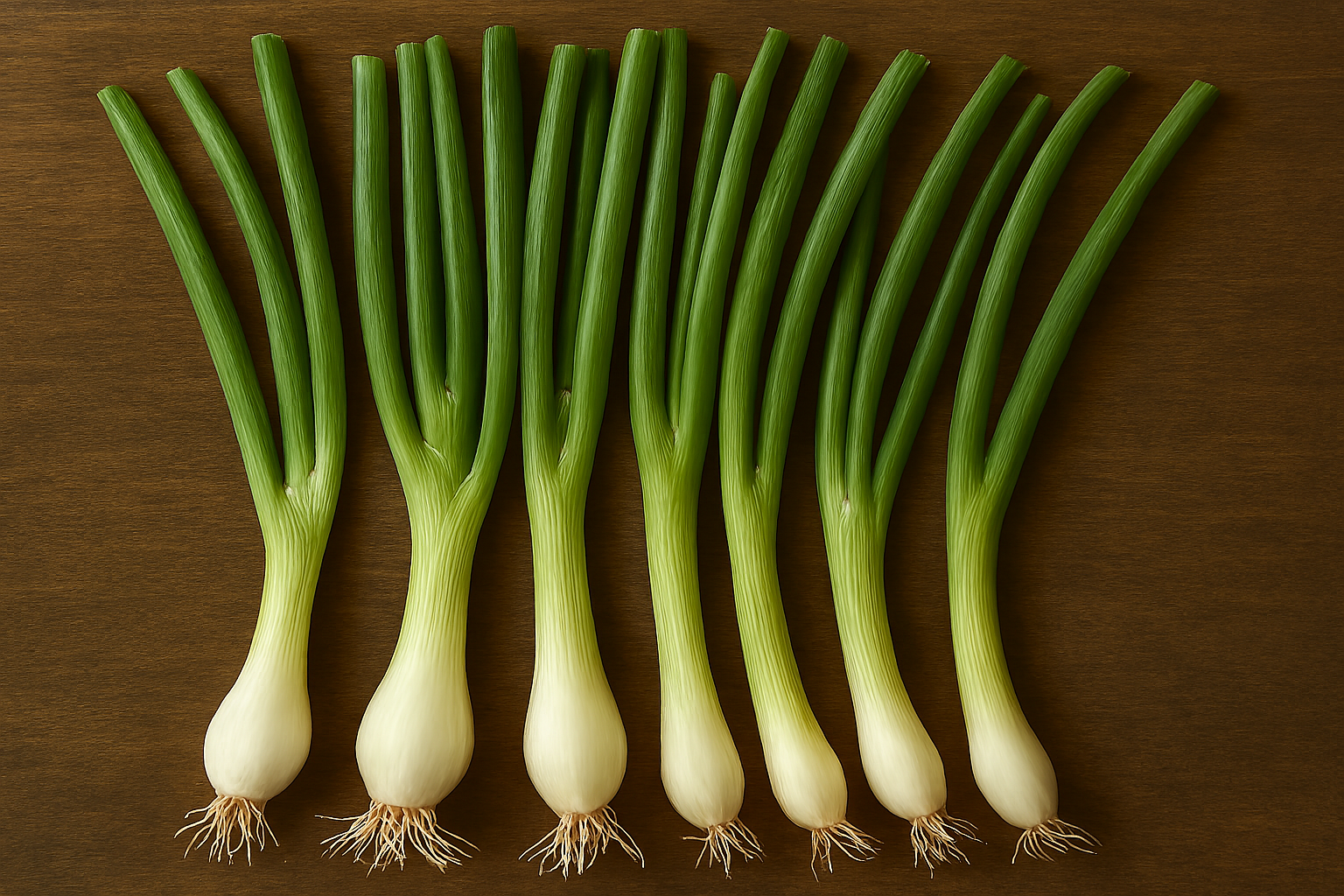
Scallions, or green onions (Spring Onions in British English), can be the greens of any variety of onion. They are simply harvested before the bulbs form underground. Likewise, the green tops of the familiar garlic bulb are often sold as garlic greens or garlic chives.
All of these onion greens can be used either as herbs or, more substantially, as vegetables. Early in the spring, when the oniony flavor is still mild, look for them sauteed and served by themselves as a side dish, perhaps to accompany salmon or pan-fried trout. Green onions of all kinds complement potatoes and might be paired with them in soups, potato salads, or gratins.
Tender Spring Salad Greens: Lettuce, Sorrel, and Watercress
Although there are many different forms of lettuce, they are all derived from a plant native to the Mediterranean and Asia. Lettuces have been cultivated for over 5,000 years. They are primarily cool-weather plants and thrive best in the spring and fall.
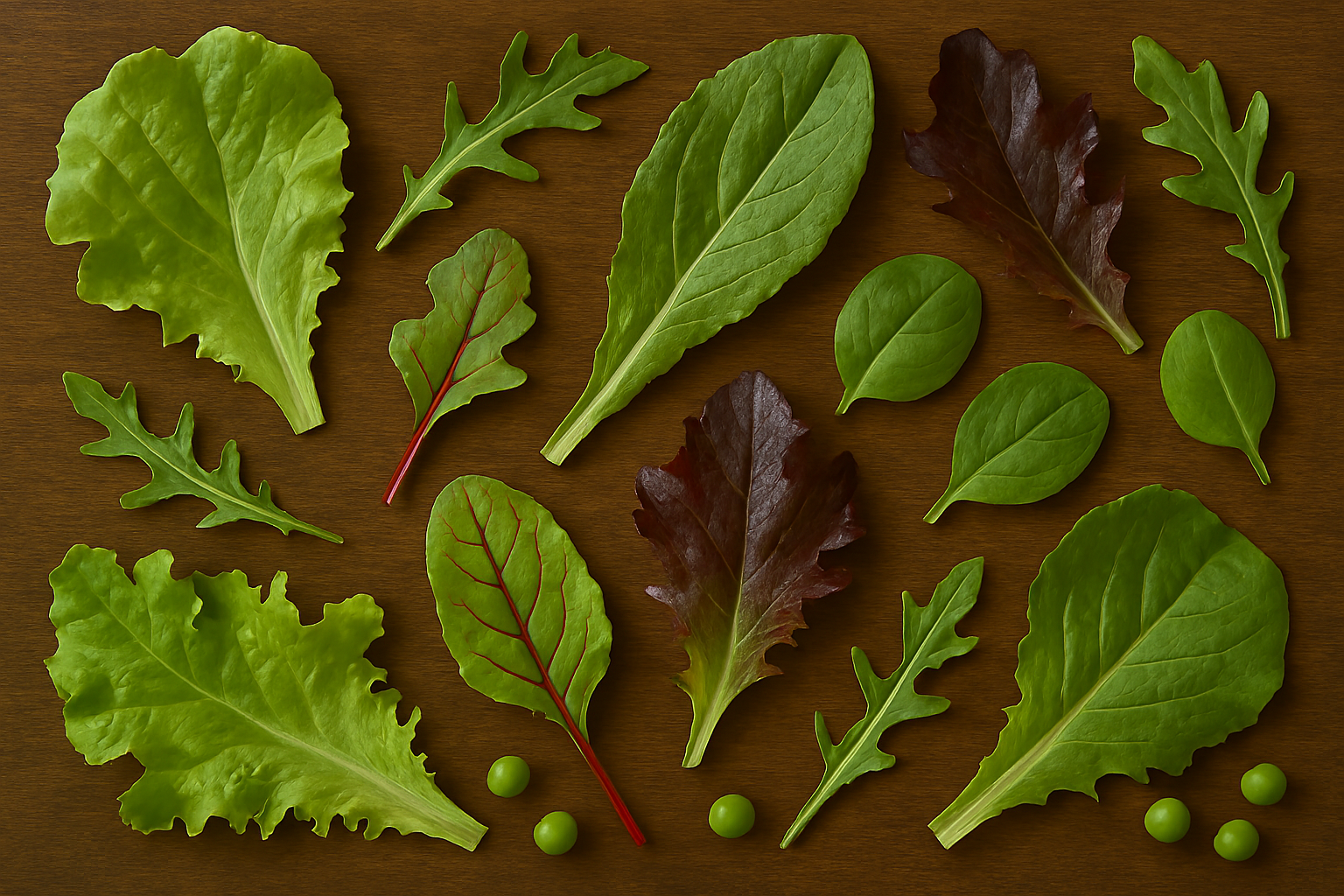
Lettuces can generally be divided into two types: head and leaf. Among the best known head lettuces are Boston and butter. Leaf lettuces include red- and greenleaf, oak leaf, lolla rosa, and lamb’s lettuce. The ethylene gas given off by many ripening vegetables will cause lettuce to turn brown in the refrigerator, so it is best to store it separately.
Sorrel, also called sour grass, is actually an herb, although it is used more as a vegetable. It is a member of the buckwheat family. Tart sorrel leaves go well in salads while they are still very young, but they also make refreshing warm-weather soups, add zest and bright color to sauces for fish, and complement the flavor of new spring potatoes.
Watercress has a distinctive, peppery flavor and can often be found growing wild in running streams. Look for it sauteed at Asian restaurants and in soups as well as salads. Tiny young lettuce leaves make delicate mesclun salads, best dressed with a simple vinaigrette and a sprinkling of coarse salt.
Eating Late Spring Well
Late spring is the season of abundance beginning. The scarcity of early spring is over. The farmers’ market is no longer a place of brief, precious appearances. Now it is a place of color and variety. Artichokes, beets, fava beans, fennel, peas, and tender greens all arrive at once.
This is the time to eat salads every day, to steam new potatoes with butter and mint, to shuck fava beans from their pods, and to celebrate the return of fresh herbs. Late spring cooking is generous and optimistic. The best of the year is still ahead, but what is here now is very good indeed.
Late Spring Video
From the fleeting treasures of Early Spring Eating through to the warm arrival of Early Summer Eating, the garden’s story unfolds with each passing week.
Featured articles
Explore rich culinary stories, exclusive chef interviews, and expert insights from kitchens around the world. Discover cooking techniques, ingredient spotlights, and behind-the-scenes looks at the tools that shape global cuisine.

Georges Auguste Escoffier: Visionary Chef Who Revolutionized French Cuisine and Modern Cooking
Discover the life and legacy of Georges Auguste Escoffier, the legendary chef who transformed French cuisine and laid the foundation for modern culinary arts. This comprehensive historical profile …

How to Use a Knife, Fork, and Spoon
Master the basics of Western table etiquette with this guide to using a knife, fork, and spoon. Learn practical tips, cultural context, and the subtle rules that shape how we dine.

The History of Chocolate
Trace the fascinating history of chocolate, from its ancient origins with the Olmecs and Maya to its transformation into a global indulgence. Explore how cacao evolved from sacred ceremonial drink to …
Georges Auguste Escoffier: Visionary Chef Who Revolutionized French Cuisine and Modern Cooking
Discover the life and legacy of Georges Auguste Escoffier, the legendary chef who …
How to Use a Knife, Fork, and Spoon
Master the basics of Western table etiquette with this guide to using a knife, fork, and …
The History of Chocolate
Trace the fascinating history of chocolate, from its ancient origins with the Olmecs and …