Early Spring Eating: Asparagus, Rhubarb, Ramps, and the First Harvest of the Year (March Through April)

By: Simon
July 19, 2026 | Updated: September 12, 2026
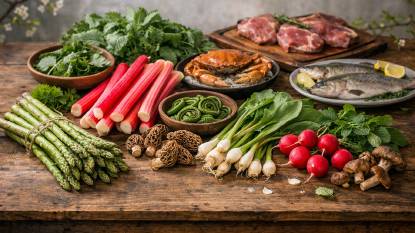

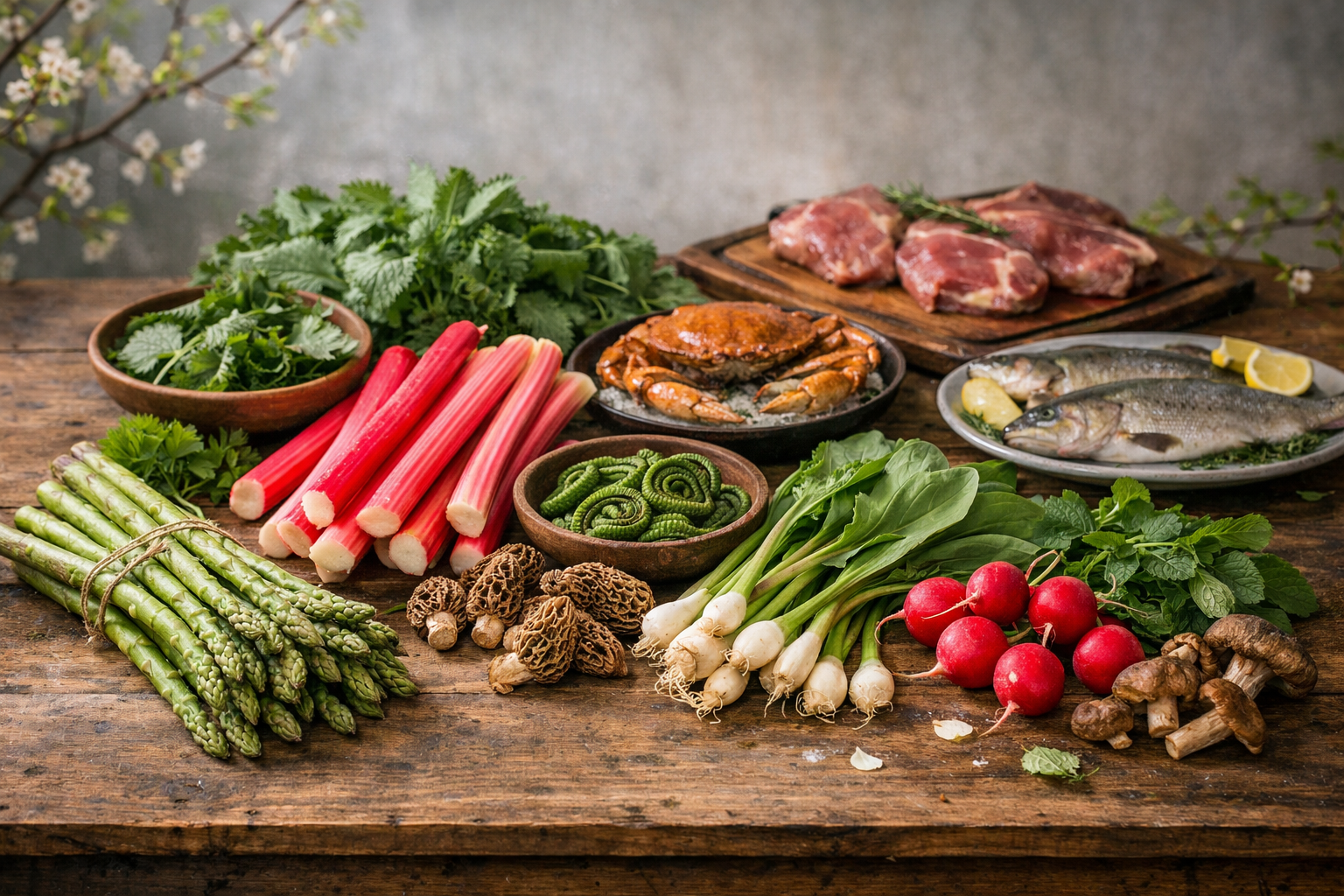
Early spring is the season of waiting and watching. The ground is still cold in many places, but the first signs of life are pushing through. In the kitchen, this is a time of transition. The hearty braises and root vegetables of winter give way to lighter, brighter ingredients. The first asparagus appears. The first ramps are foraged. The first rhubarb stalks force their way toward the light.
These early arrivals are precious because they are brief. A ramp season lasts only a few weeks. Fiddleheads appear and disappear in a flash. Morels come with the first warm rains and are gone just as quickly. This is why early spring cooking requires attention. You have to be ready when the season arrives.
Fruits of Early Spring
Early spring fruits are not the sweet, dripping fruits of summer. They are tarter, more restrained. They wake the palate after the long sleep of winter.
Forced Rhubarb
Rhubarb is the first fruit of the spring, though botanically it is a vegetable. Forced rhubarb is grown in complete darkness, which produces pale pink stalks that are tender, sweet, and far less tart than the field-grown rhubarb that arrives later. The Yorkshire Rhubarb Triangle in England became the historic center of this technique, and forced rhubarb was once so prized it was called “English champagne.”
Rhubarb leaves contain high levels of oxalic acid and are poisonous, so only the stalks should be used. The stalks are excellent in crumbles, pies, compotes, and sauces. Their natural tartness pairs perfectly with sugar, vanilla, and strawberries later in the season. Rhubarb also works in savory dishes, particularly with fatty fish like mackerel and with pork.
Late Citrus
The last of the winter citrus is still available in early spring. Blood oranges reach their final peak, with their dramatic crimson flesh and raspberry-like undertones. Cara Cara oranges, with their pinkish flesh and low acidity, are finishing their season. Meyer lemons, sweeter and more fragrant than regular lemons, are at their best and are prized for both their juice and their zest.
These late citrus fruits are a bridge between winter and spring. They carry the brightness of the cold months forward into the warmer days ahead.
First Strawberries
The first strawberries of the year appear in early spring from warmer growing regions like Florida and California. These early berries are never as intensely flavored as the local, sun-ripened berries of June, but they are a welcome sign of what is to come. They are best used in simple preparations: sliced with a little sugar, pureed into sauces, or chopped into salads.
Vegetables of Early Spring
Early spring vegetables are the harbingers. They arrive before the garden is fully awake, and their brief season is part of their appeal.
Asparagus
Asparagus has been prized since ancient times. The Romans considered it a delicacy and grew it in special beds. The first spears of the year appear in early spring, pushing up through soil that has just begun to warm. They grow so quickly that farmers must check their beds twice a day during peak season.
Green asparagus is the most common variety in the United States. It should be straight, brightly colored, and firm, with compact tips. White asparagus, grown under mounds of soil to prevent chlorophyll formation, is popular in Europe and has a milder, more delicate flavor. Purple asparagus is bred for higher sugar content and can be eaten raw.
Asparagus is best cooked simply: roasted with olive oil and salt, grilled over high heat, steamed until just tender, or blanched and served with hollandaise or vinaigrette. The spears lose sweetness quickly after harvest, so the sooner they are cooked, the better.
Fiddlehead Ferns
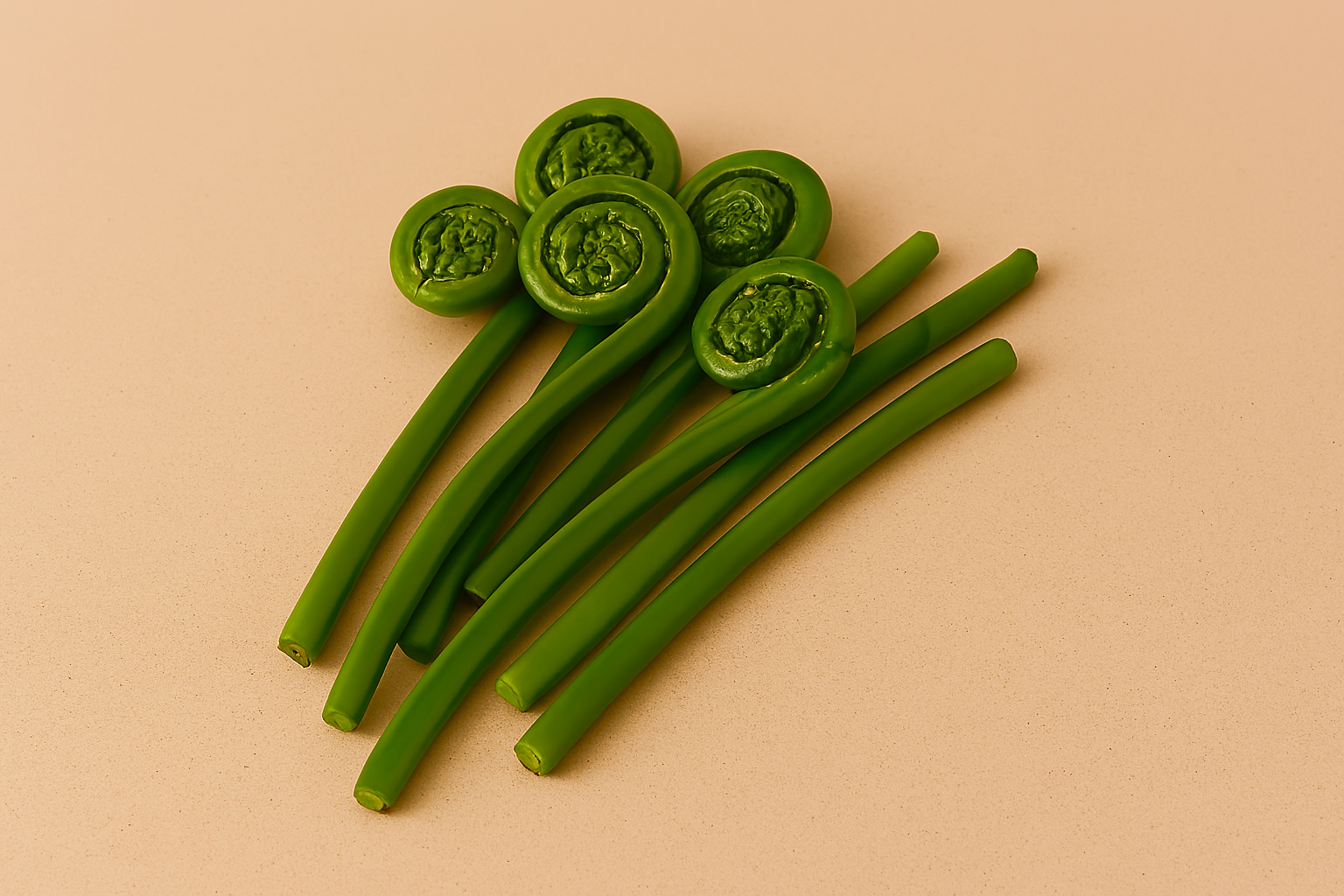
Fiddlehead ferns are the coiled young shoots of the ostrich fern, named for their resemblance to the head of a violin. They are one of the most fleeting ingredients of the early spring kitchen, available for only a few weeks in April. Wild foraging is the primary source for fiddleheads, as they have not been cultivated on a large scale.
Only ostrich fern fiddleheads are safe to eat. Other fern species can be toxic, so they should always be bought from reputable sources or gathered under expert guidance. Fiddleheads should be cooked the day they are purchased. They can be steamed, boiled, or sauteed and served as a side dish with butter and lemon, or added to salads and pasta.
Ramps
Ramps, also known as wild leeks, are one of the most eagerly anticipated ingredients of the early spring kitchen. They appear in forested areas of the Appalachian region in March and April, with a short season that lasts only a few weeks. Ramps have broad, smooth leaves and a bulb that resembles a small scallion. Their flavor is a pungent combination of garlic and onion, with an earthy, wild intensity.
Ramps can be sauteed, pickled, used in pesto, or added to eggs, pasta, and risotto. The entire plant is edible. Because ramps are foraged rather than farmed, sustainability is a concern. Harvesters are encouraged to take only the leaves and leave the bulbs, or to take only a portion of any patch.
Morels and Porcini Mushrooms
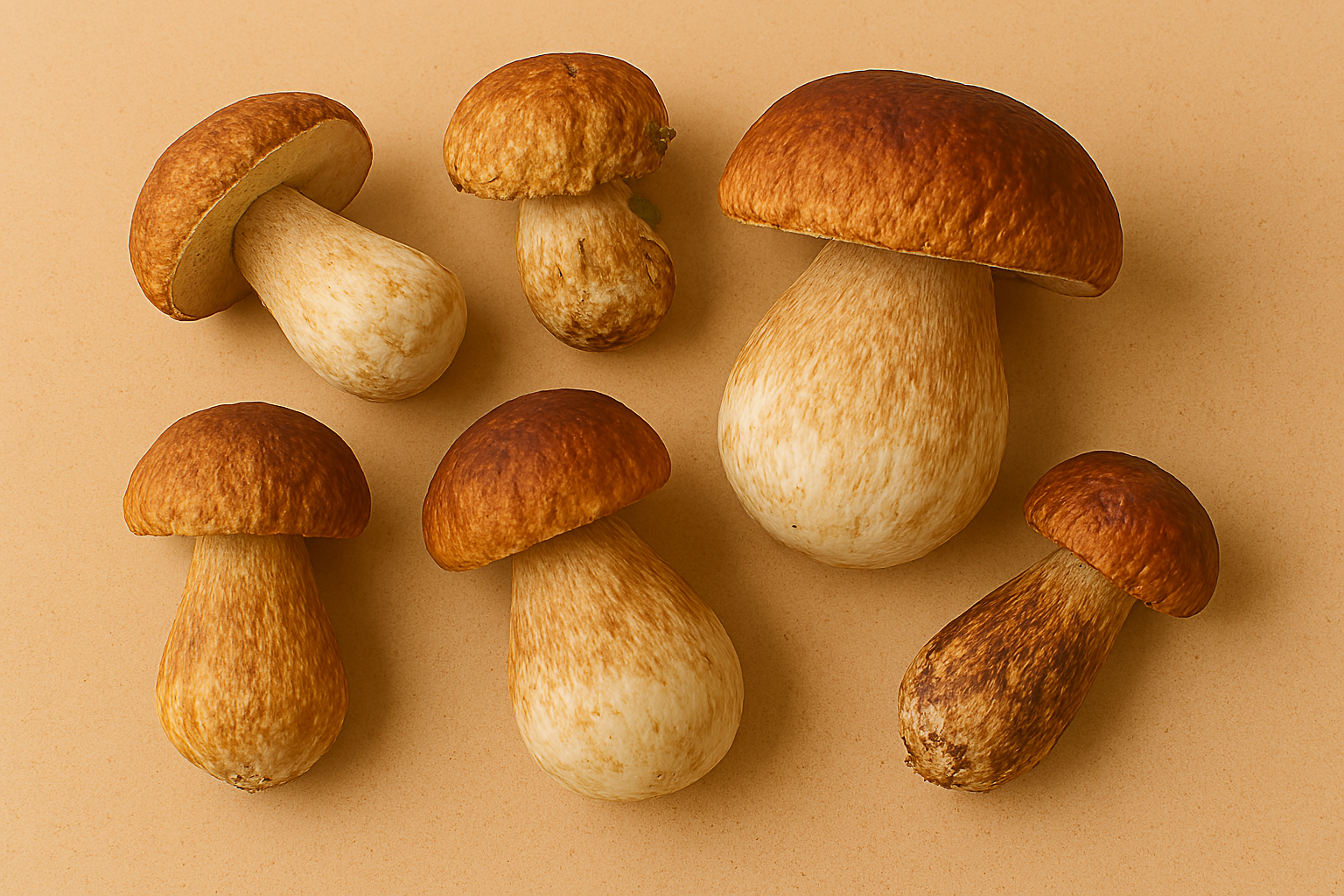
Morels are the most sought-after of all wild mushrooms. They have a distinctive honeycomb appearance and a nutty, earthy, almost smoky flavor that is unlike anything else. The genus Morchella encompasses dozens of species worldwide, and they appear in early spring after the first warm rains.
Morels cannot be cultivated commercially, so every morel in the market was foraged. This makes them expensive, but a small amount goes a long way. Look for firm, dry morels with no signs of mold. Clean them gently with a brush or damp cloth, never soak them in water. Saute them in butter with a little garlic and thyme, add them to cream sauces, or use them in stuffings.
Stinging Nettles
Stinging nettles may seem like an unlikely ingredient, but they have been foraged and cooked for centuries. The plants are covered in tiny hollow hairs that inject irritants on contact, but cooking completely neutralizes the sting, transforming the leaves into a tender green with a flavor reminiscent of spinach with a hint of cucumber.
Nettles should always be handled with gloves until they have been blanched or cooked. They are excellent in soups, particularly with potatoes and cream, or sauteed as a side dish. They also make a flavorful pesto when combined with garlic, nuts, and Parmesan.
Radishes
Radishes are one of the quickest-growing vegetables, ready to harvest just three to four weeks after planting. This makes them a natural early spring crop. The most common variety is the round red radish, but there are also white, purple, and black varieties, as well as elongated French breakfast radishes.
Young radishes are crisp, peppery, and refreshing. They are best eaten raw, sliced into salads, or served with butter and salt as a simple appetizer. The peppery heat varies with growing conditions. Radishes that grow quickly in cool weather tend to be milder.
Spinach
Spinach is a cool-weather crop that thrives in the early spring garden. It bolts and becomes bitter when the weather turns hot, so early spring is the ideal time to enjoy it. Baby spinach is tender enough to eat raw in salads, while mature spinach is better suited for cooking.
Spinach is high in iron, vitamin K, and antioxidants. It wilts dramatically when cooked, so a large pile of raw spinach reduces to a modest serving. It is excellent sauteed with garlic and olive oil, added to soups and omelets, or used as a base for salads.
Dandelion Greens
Dandelion greens are one of the most nutritious early spring offerings. They are particularly high in vitamin C and vitamin A. The young leaves harvested in early spring are much milder than the tough, bitter leaves that appear later in the season.
Small, tender dandelion greens make excellent salads, often combined with warm bacon vinaigrette, a poached egg, or crumbled goat cheese. Larger leaves can be cooked and served as a side dish or added to soups. They can also be foraged from your own yard, as long as no pesticides have been used.
Pea Shoots and Spring Peas
Pea shoots are the tender young leaves and tendrils of the pea plant. They have a delicate, sweet pea flavor and are best eaten raw in salads or lightly wilted. They appear in early spring before the peas themselves are ready.
The first fresh peas of the season arrive in late April in warmer regions. Green peas, snow peas, and sugar snap peas all begin to appear. Snow peas and sugar snap peas are eaten pod and all, while green peas must be shelled. All three are sweetest when eaten as soon as possible after picking.
Meat and Fish of Early Spring
Early spring brings a shift in the seafood calendar. The heavy, oily fish of winter give way to lighter options, and the first fresh fish of the new season begin to appear.
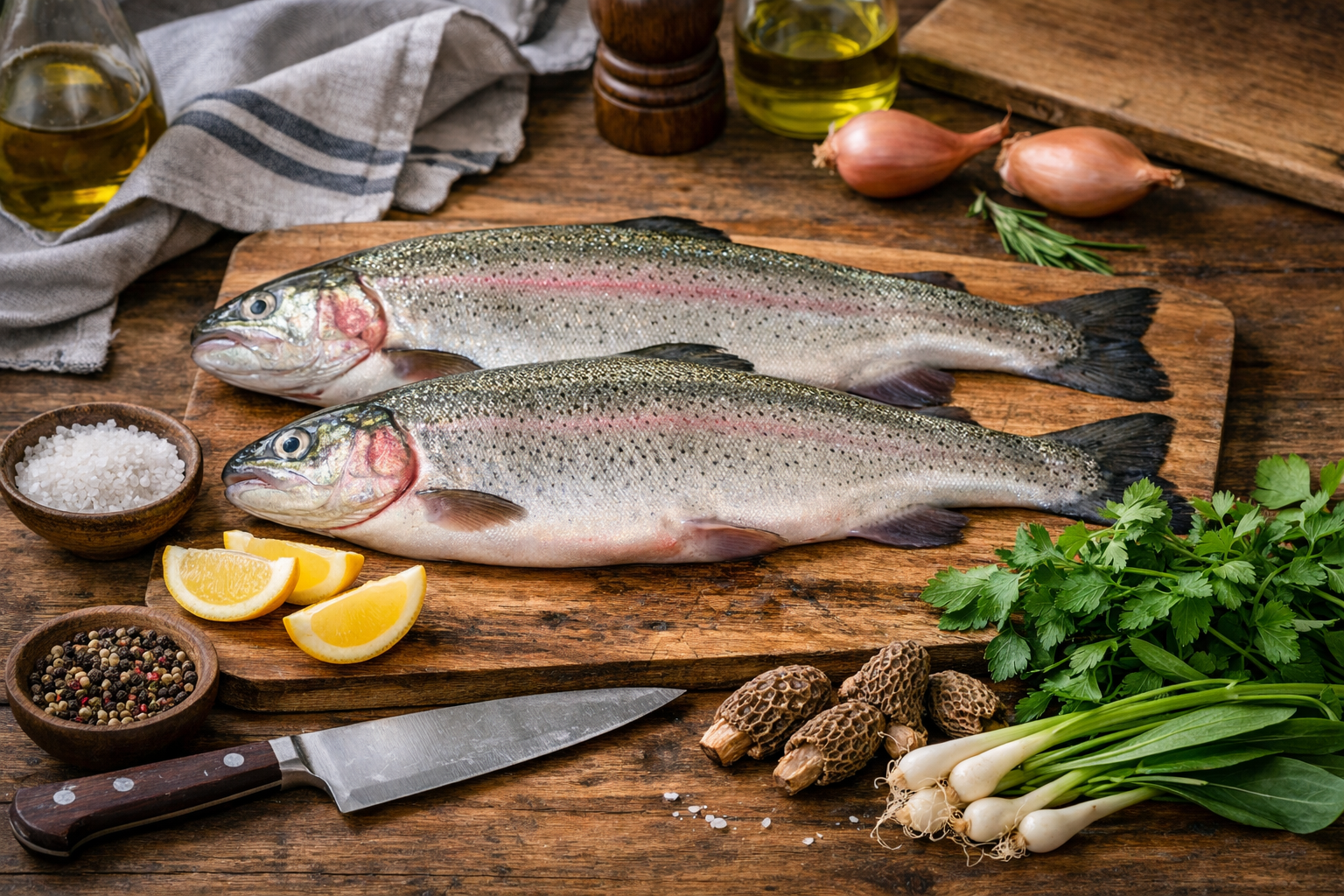
Rainbow Trout
Spring is the time when rainbow trout begin their spawning runs in rivers and streams across the country. The freshwater rainbow trout is extensively farmed, which allows for year-round availability, but wild trout caught in early spring have a cleaner, more delicate flavor.
Rainbow trout are usually small enough to be served whole, with the skin crisped in a pan. They are excellent simply pan-fried with butter, lemon, and fresh herbs. Their mild, flaky flesh pairs well with almonds, capers, and early spring vegetables like asparagus and peas.
Soft-Shell Crabs
Soft-shell crabs are a spring delicacy. They are crabs that have recently molted their old exoskeleton and are caught before the new shell hardens. This means the entire crab can be eaten, shell and all. The season typically begins in April along the Atlantic and Gulf coasts.
Soft-shell crabs are usually cleaned, then dredged in flour or cornmeal and fried until golden and crisp. They can also be sauteed, grilled, or broiled. Their sweet, delicate meat needs little embellishment. A squeeze of lemon and a sprinkle of salt are often enough.
Spring Lamb
Spring lamb is one of the most anticipated arrivals of the early spring table. Unlike mature lamb, which can be strongly flavored, spring lamb is mild, tender, and delicate. It is typically marketed as “new season lamb” and appears in markets in early spring.
The best cuts for spring lamb are the leg for roasting, the rack for elegant dinners, and the shoulder for braising. Lamb pairs well with early spring flavors: fresh mint, rosemary, the last of the winter citrus, and roasted asparagus.
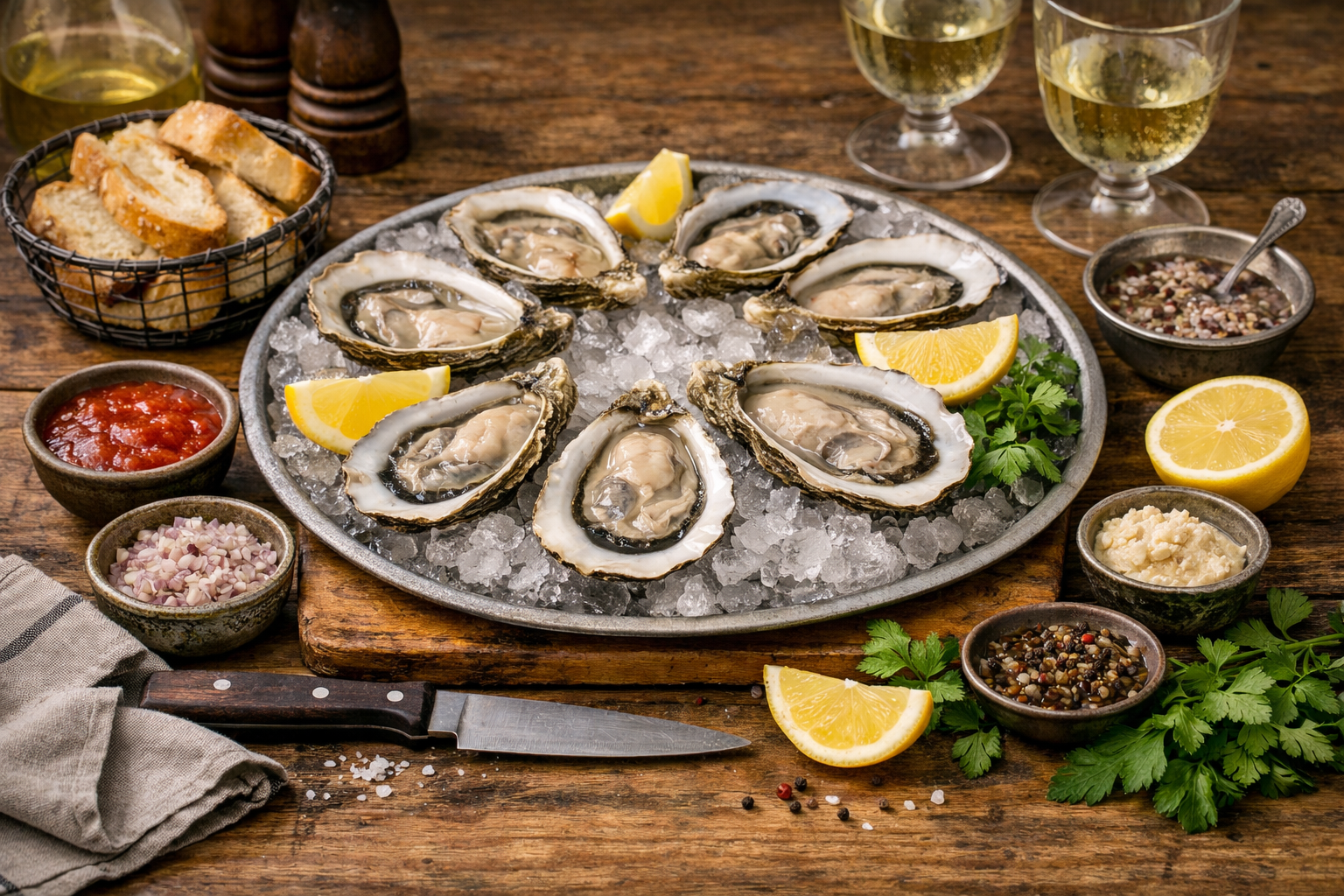
Oysters
The “R months” rule for oysters runs through April, so early spring is the last chance to enjoy them at their peak before they begin to spawn in warmer water. Oysters from cold northern waters are firm, briny, and crisp, with a clean finish.
After April, oysters enter their spawning season and their flesh becomes soft and milky. Enjoy them while they are still at their best: raw on the half shell with a squeeze of lemon or a dab of mignonette.
Eating Early Spring Well
Early spring cooking is about anticipation and simplicity. The ingredients of this season are so fresh, so fleeting, that they need very little help. A spear of asparagus needs only salt and olive oil. A ramp needs only a hot pan and butter. A morel needs only a quick saute to release its magic.
This is the time to watch the markets closely, to buy what has just arrived, and to cook it the same day. The season moves fast. The fiddleheads will be gone before you know it. The ramps will disappear. The morels will dry up and wait for next year.
Pay attention. This is the beginning of the fresh year, and it is glorious while it lasts.
Early Spring Video
From the first tender shoots of spring, continue your seasonal journey forward into the abundant garden of Seasonal Vegetables: Late Spring.
Featured articles
Explore rich culinary stories, exclusive chef interviews, and expert insights from kitchens around the world. Discover cooking techniques, ingredient spotlights, and behind-the-scenes looks at the tools that shape global cuisine.

Georges Auguste Escoffier: Visionary Chef Who Revolutionized French Cuisine and Modern Cooking
Discover the life and legacy of Georges Auguste Escoffier, the legendary chef who transformed French cuisine and laid the foundation for modern culinary arts. This comprehensive historical profile …

How to Use a Knife, Fork, and Spoon
Master the basics of Western table etiquette with this guide to using a knife, fork, and spoon. Learn practical tips, cultural context, and the subtle rules that shape how we dine.

The History of Chocolate
Trace the fascinating history of chocolate, from its ancient origins with the Olmecs and Maya to its transformation into a global indulgence. Explore how cacao evolved from sacred ceremonial drink to …
Georges Auguste Escoffier: Visionary Chef Who Revolutionized French Cuisine and Modern Cooking
Discover the life and legacy of Georges Auguste Escoffier, the legendary chef who …
How to Use a Knife, Fork, and Spoon
Master the basics of Western table etiquette with this guide to using a knife, fork, and …
The History of Chocolate
Trace the fascinating history of chocolate, from its ancient origins with the Olmecs and …