The Saffron Story

By: Simon
February 18, 2019 | Updated: February 17, 2026
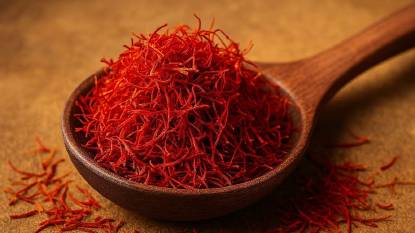


🌸 The Myth, Magic, and Mastery Behind Saffron
Saffron is more than a spice—it’s a story woven through myth, meticulous cultivation, and culinary prestige. From ancient Greek legends to modern kitchens in Italy and China, saffron has earned its place as the world’s most precious seasoning.
🧚♂️ A Myth Rooted in Love and Transformation
The Greek legend goes like this: a gorgeous mortal named Crocos fell deeply in love with the nymph Smilax. But Smilax, unmoved by his affection, rejected him. Heartbroken, Crocos was transformed into a delicate purple flower—Crocus sativus. From this flower, saffron is born: the dried crimson stigmas that hold centuries of flavor and lore.
🌍 Global Reverence for a Golden Spice
Saffron’s reputation spans continents. It’s prized in:
- 🇮🇹 Italian Cuisine for risottos like Risotto alla Milanese
- 🇮🇳 Indian biryanis and sweets
- 🇨🇳 Chinese Cuisine for medicinal infusions
- 🇮🇷 Persian stews and rice dishes
- 🇫🇷 French bouillabaisse and sauces
Its pungent aroma, vivid golden hue, and subtle bitterness make it indispensable in both savory and sweet dishes.
💰 Why Is Saffron So Expensive?
The cost of saffron is driven by its labor-intensive harvesting process and low yield:
- Each Crocus sativus flower produces only three stigmas
- It takes 250,000 to 300,000 flowers to yield 1 kg of saffron
- Harvesting is done entirely by hand, often by skilled women known as mondadoras
- A seasoned mondadora can process 10,000–12,000 flowers per day
This meticulous process, combined with the short blooming window, makes saffron the most expensive spice by weight.
🇪🇸 Spain’s Saffron Supremacy
Although saffron is cultivated in various regions, Spain—particularly southern Castille and Aragon—produces some of the finest saffron in the world. Why?
- Spanish crocuses yield longer stigmas
- They contain higher concentrations of crocin (color), picrocrocin (flavor), and safranal (aroma)
- The climate and soil conditions in these regions are ideal for saffron cultivation
Harvesting occurs during a narrow window in October to early November, when the flowers bloom for just 7–10 days.
👩🌾 The Art of Harvesting: A Race Against Time
Timing is everything. If the stigmas aren’t harvested during peak bloom, the crop is lost. The process involves:
- Early morning picking to avoid sun damage
- Manual separation of stigmas from petals by mondadoras
- Gentle drying to preserve volatile oils and pigments
This artisanal approach ensures that each thread of saffron retains its potency and purity.
🧪 Chemical Composition and Culinary Impact
Saffron’s unique flavor and color come from three key compounds:
| Compound | Function | Impact on Flavor/Color |
|---|---|---|
| Crocin | Pigment | Gives saffron its golden hue |
| Picrocrocin | Bitter compound | Contributes to flavor complexity |
| Safranal | Volatile oil | Responsible for aroma |
These compounds degrade quickly if exposed to light or moisture, which is why saffron is best stored in airtight containers away from heat.
🍽️ Culinary Uses and Pairings
Saffron pairs beautifully with:
- Rice, grains, and legumes
- Seafood and shellfish
- Dairy (especially cream and yogurt)
- Citrus and floral notes in desserts
A small pinch goes a long way—typically 0.5g to 1g per recipe is sufficient to infuse dishes with its signature flavor.
🌿 Health Benefits of Saffron
Beyond its culinary appeal, saffron offers several health benefits:
- 🧠 May improve mood and reduce symptoms of depression
- 👁️ Supports eye health due to antioxidant properties
- 🩸 May help regulate blood sugar and reduce inflammation
- 🛌 Used traditionally to aid sleep and reduce anxiety
These benefits are attributed to saffron’s high antioxidant content and bioactive compounds.
🧭 A Spice Worth Its Weight in Gold
Saffron is not just a seasoning—it’s a symbol of patience, precision, and passion. From the myth of Crocos to the hands of mondadoras in Spain, every thread tells a story. Whether you’re crafting a luxurious risotto or steeping it into tea, saffron brings depth, color, and history to your plate.
Featured Articles
Explore rich culinary stories, exclusive chef interviews, and expert insights from kitchens around the world. Discover cooking techniques, ingredient spotlights, and behind-the-scenes looks at the tools that shape global cuisine.
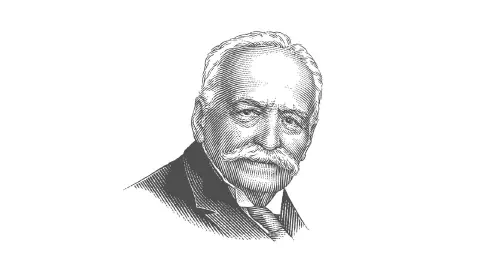
Georges Auguste Escoffier: Visionary Chef Who Revolutionized French Cuisine and Modern Cooking
Discover the life and legacy of Georges Auguste Escoffier, the legendary chef who transformed French cuisine and laid the foundation for modern culinary arts. This comprehensive historical profile …
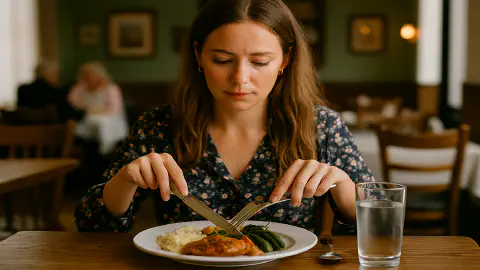
How to Use a Knife, Fork, and Spoon
Master the basics of Western table etiquette with this guide to using a knife, fork, and spoon. Learn practical tips, cultural context, and the subtle rules that shape how we dine.
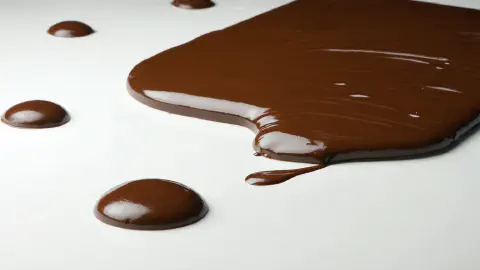
The History of Chocolate
Trace the fascinating history of chocolate—from its ancient origins with the Olmecs and Maya to its transformation into a global indulgence. Explore how cacao evolved from sacred ceremonial drink to …
Georges Auguste Escoffier: Visionary Chef Who Revolutionized French Cuisine and Modern Cooking
Discover the life and legacy of Georges Auguste Escoffier, the legendary chef who …
How to Use a Knife, Fork, and Spoon
Master the basics of Western table etiquette with this guide to using a knife, fork, and …
The History of Chocolate
Trace the fascinating history of chocolate—from its ancient origins with the Olmecs and …