Soy Sauce

By: Simon
February 12, 2019 | Updated: February 17, 2026
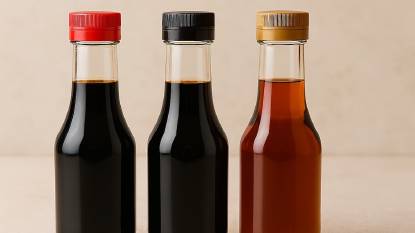


🥢 Soy Sauce: The Umami Powerhouse of Asian Cuisine
Soy sauce is a staple condiment and ingredient throughout all of Asia. Produced for thousands of years, soy sauce is a salty, brown liquid made from fermented soy beans mixed with some type of roasted grain (wheat, barley, or rice are common), injected with a special yeast mold, and liberally flavored with salt.
After being left to age for several months, the mixture is strained and bottled. The sauce’s consistency can range from very thin to very thick. Flavors, too, vary by type and have very subtle differences. Today, soy sauce is not only made in the traditional manner; it is synthesized artificially as well, which results in a chemical-flavored, but inexpensive product.
Some soy sauce choices:
- Light soy sauce from Japan has a thinner consistency and a saltier flavor than the darker varieties. It is preferred when a darker sauce will ruin the appearance of a dish, or when a lighter flavor is sought, especially when serving seafood.
- Dark soy sauce is used throughout Asia and is a bit richer and thicker than the lighter varieties. It tends to have a chocolate brown color, and a pungent, rather than overly salty, flavor.
- Mushroom soy sauce is a dark soy sauce from China which adds straw mushroom essence to the sauce’s brew. It has a deep, rich flavor and can be used in place of other types of soy sauce in most recipes. It is especially nice as a table condiment where its unusual flavor can come through.
- Tamari is a deeply colored Japanese soy sauce which has a rich texture and intense flavor. It can be used anywhere regular soy sauce is called for, and is especially good to use as a table condiment and dipping sauce.
🌱 What Is Soy Sauce?
Soy sauce is a fermented liquid made primarily from soybeans, wheat, salt, and water. Originating in China over 2,500 years ago, it has evolved into various regional styles, including Japanese shoyu, Korean ganjang, and Indonesian kecap.
🧬 Fermentation Process
The traditional brewing process involves:
- Steaming soybeans and roasting wheat
- Inoculating with mold spores (typically Aspergillus oryzae)
- Fermenting in brine for several months
- Pressing and pasteurizing the final liquid
This slow fermentation develops rich amino acids, organic acids, and aromatic compounds that define soy sauce’s signature taste.
🍶 Types of Soy Sauce
| Type | Origin | Flavor Profile | Common Uses |
|---|---|---|---|
| Light Soy Sauce | China | Salty, thin, sharp | Stir-fries, dipping sauces |
| Dark Soy Sauce | China | Sweet, thick, rich | Braising, color enhancement |
| Tamari | Japan | Gluten-free, umami-rich | Sushi, gluten-free cooking |
| Shoyu | Japan | Balanced, smooth | Ramen, marinades |
| Ganjang | Korea | Deep, savory | Soups, stews, kimchi |
🧂 Nutrition Facts (Per 1 Tbsp / 15ml)
| Nutrient | Amount | % Daily Value* |
|---|---|---|
| Calories | 10 kcal | <1% |
| Protein | 1 g | 2% |
| Carbohydrates | 1 g | <1% |
| Sugars | 0.1 g | — |
| Fat | 0 g | 0% |
| Sodium | 900–1000 mg | 40–45% |
*Percent Daily Values are based on a 2,000 calorie diet.
⚠️ Note: Soy sauce is high in sodium. Low-sodium versions are available and recommended for those monitoring salt intake.
🍽️ Culinary Uses
Soy sauce is incredibly versatile:
- Marinades: Adds depth to meats and tofu
- Dipping sauces: Perfect for dumplings 🥟 and sushi
- Stir-fries: Enhances vegetables and noodles 🍜
- Soups and broths: Boosts umami in ramen and miso soup
- Dressings: Combines well with sesame oil, vinegar, and citrus 🍋
🌍 Cultural Significance
Soy sauce is deeply embedded in East Asian culinary traditions. In Japan, shoyu is a staple in nearly every household. In Korea, ganjang is used in ancestral rites and seasonal dishes. In China, soy sauce is a symbol of flavor and heritage.
🛒 Choosing the Right Soy Sauce
When selecting soy sauce:
- ✅ Look for naturally brewed or fermented varieties
- ✅ Check for additives like caramel coloring or preservatives
- ✅ Consider low-sodium options for health-conscious cooking
- ✅ Tamari is ideal for gluten-free diets
🧪 Storage Tips
- Store in a cool, dark place
- Refrigerate after opening for best flavor retention
- Shelf life: 1–2 years unopened, 6 months once opened
Soy sauce is more than just a salty condiment—it’s a culinary cornerstone that adds depth, complexity, and irresistible umami to dishes across the globe. Whether you’re dipping sushi 🍣, stir-frying veggies 🥦, or marinating meats 🍗, soy sauce brings bold flavor and cultural heritage to the table.
Featured Articles
Explore rich culinary stories, exclusive chef interviews, and expert insights from kitchens around the world. Discover cooking techniques, ingredient spotlights, and behind-the-scenes looks at the tools that shape global cuisine.

Georges Auguste Escoffier: Visionary Chef Who Revolutionized French Cuisine and Modern Cooking
Discover the life and legacy of Georges Auguste Escoffier, the legendary chef who transformed French cuisine and laid the foundation for modern culinary arts. This comprehensive historical profile …

How to Use a Knife, Fork, and Spoon
Master the basics of Western table etiquette with this guide to using a knife, fork, and spoon. Learn practical tips, cultural context, and the subtle rules that shape how we dine.

The History of Chocolate
Trace the fascinating history of chocolate—from its ancient origins with the Olmecs and Maya to its transformation into a global indulgence. Explore how cacao evolved from sacred ceremonial drink to …
Georges Auguste Escoffier: Visionary Chef Who Revolutionized French Cuisine and Modern Cooking
Discover the life and legacy of Georges Auguste Escoffier, the legendary chef who …
How to Use a Knife, Fork, and Spoon
Master the basics of Western table etiquette with this guide to using a knife, fork, and …
The History of Chocolate
Trace the fascinating history of chocolate—from its ancient origins with the Olmecs and …