Seaweed at Work

By: Simon
February 15, 2019 | Updated: February 17, 2026
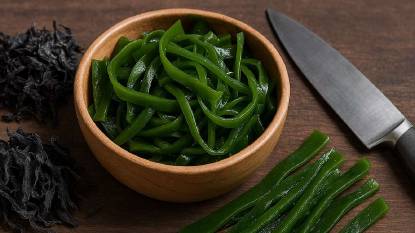


Leaving no resource untapped, chefs, nutritionists, and sustainability advocates are putting seaweed to work in kitchens across the globe. From traditional Japanese broths to modern vegan snacks, seaweed is a powerhouse ingredient that delivers flavor, nutrition, and environmental benefits. Below, we explore the most popular edible seaweed types, their culinary uses, and why they’re gaining traction in both traditional and contemporary cuisine.
🥗 In General: Wakame and Everyday Seaweed Uses
Wakame is a brownish-green, frizzled-looking seaweed with a delicate saline flavor. It’s widely used in East Asian cuisine and is typically sold dried in packages. To prepare wakame:
- Soak in cold water for 5–10 minutes until rehydrated
- Drain and chop for use in soups, salads, and stews
- Pair with sesame oil, vinegar, and chili for a classic seaweed salad
Wakame is rich in iodine, calcium, magnesium, and fucoxanthin—a compound linked to fat metabolism and anti-inflammatory effects. It’s a staple in seaweed cooking uses and a favorite in macrobiotic diets.
🍲 Stocks & Broths: Kombu and Dashi
Kombu, a thick, leathery kelp, is foundational in Japanese cuisine. It’s one of the key ingredients in dashi, the umami-rich stock that underpins miso soup, ramen, and countless sauces.
- Kombu is sold dried in flat or folded sheets
- Soak in water for 30 minutes or simmer gently to extract flavor
- Combine with bonito flakes for traditional dashi
- Reuse kombu once before discarding or repurpose in pickles
Kombu is naturally high in glutamic acid, the source of umami, and is a vegan-friendly alternative to meat-based broths. It’s also used to tenderize legumes and enhance rice flavor, making it essential in kombu dashi recipes and sustainable seafood ingredients.
🍣 Sushi & Snacks: Nori and Beyond
Nori is the most recognizable seaweed in the West, thanks to its role in sushi. This dark green or black seaweed is dried, pressed into thin sheets, and toasted before use.
- Wraps maki rolls like the California Roll
- Shredded and deep-fried for crispy garnishes
- Sold in shaker form to sprinkle over rice, noodles, and soups
- Used in onigiri (rice balls), ramen toppings, and furikake seasoning
Nori is high in protein, fiber, and essential minerals like iron and magnesium. It’s one of the few plant-based sources of vitamin B12, making it valuable in vegan diets. Its versatility makes it a key player in nori sushi wrap recipes and seaweed in Japanese cuisine.
🦞 Clambake Tradition: New England Seaweed
Seaweed, the no-name variety found along the New England coast, plays a starring role in the traditional clambake—a rustic cooking method that infuses seafood with briny flavor.
- Dig a deep pit and burn wood down to glowing coals
- Layer fresh, wet seaweed over the coals
- Nestle clams, lobsters, corn, and fish between seaweed layers
- Cover the pit to steam everything in aromatic, oceanic heat
The seaweed releases moisture and minerals, saturating the food with the taste of the Atlantic. This method is iconic in traditional New England clambake culture and showcases seaweed cooking uses in regional cuisine.
🌱 Beyond the Basics: Lesser-Known Edible Seaweed Types
Seaweed isn’t limited to wakame, kombu, and nori. Other varieties are gaining popularity in health-conscious and gourmet circles:
- Hijiki: Black, twig-like seaweed used in simmered Japanese dishes. High in iron and fiber.
- Dulse: A red seaweed from the North Atlantic, often eaten dried, pan-fried, or added to chowders. Rich in potassium and iodine.
- Irish Moss (Chondrus crispus): Used as a vegan thickener in desserts, smoothies, and plant-based dairy alternatives. Contains carrageenan and supports gut health.
- Sea Lettuce (Ulva): Bright green and leafy, used in salads and soups. Offers a mild flavor and high chlorophyll content.
These varieties expand the possibilities for seaweed in global cuisine, offering new textures and flavors for chefs and home cooks alike.
🌍 Sustainability & Nutrition
Seaweed is one of the most sustainable food sources on the planet:
- Requires no freshwater, fertilizer, or arable land
- Absorbs carbon dioxide and improves ocean health
- Grows rapidly and supports marine biodiversity
Nutritionally, seaweed is a superfood:
- High in iodine, calcium, magnesium, and antioxidants
- Contains omega-3 fatty acids and polysaccharides that support immunity
- Low in calories and fat, making it ideal for weight-conscious diets
These benefits make seaweed a cornerstone of sustainable seafood ingredients and a rising star in modern plant-based cuisine.
Featured Articles
Explore rich culinary stories, exclusive chef interviews, and expert insights from kitchens around the world. Discover cooking techniques, ingredient spotlights, and behind-the-scenes looks at the tools that shape global cuisine.

Georges Auguste Escoffier: Visionary Chef Who Revolutionized French Cuisine and Modern Cooking
Discover the life and legacy of Georges Auguste Escoffier, the legendary chef who transformed French cuisine and laid the foundation for modern culinary arts. This comprehensive historical profile …

How to Use a Knife, Fork, and Spoon
Master the basics of Western table etiquette with this guide to using a knife, fork, and spoon. Learn practical tips, cultural context, and the subtle rules that shape how we dine.

The History of Chocolate
Trace the fascinating history of chocolate—from its ancient origins with the Olmecs and Maya to its transformation into a global indulgence. Explore how cacao evolved from sacred ceremonial drink to …
Georges Auguste Escoffier: Visionary Chef Who Revolutionized French Cuisine and Modern Cooking
Discover the life and legacy of Georges Auguste Escoffier, the legendary chef who …
How to Use a Knife, Fork, and Spoon
Master the basics of Western table etiquette with this guide to using a knife, fork, and …
The History of Chocolate
Trace the fascinating history of chocolate—from its ancient origins with the Olmecs and …