Pasta

By: Simon
February 12, 2019 | Updated: February 17, 2026
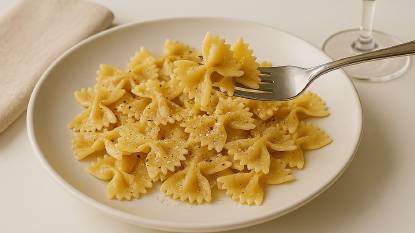


🍝 Pasta: The Timeless Staple of Global Cuisine
Pasta is a beloved carbohydrate-rich food made from durum wheat flour mixed with water or eggs, then formed into various shapes and cooked by boiling. Originating in Italy, pasta has become a global comfort food, celebrated for its versatility, affordability, and ability to pair with countless sauces, proteins, and vegetables.
🧪 Nutrition Facts (Per 100g Cooked Pasta)
Source: Nutritionix
| Nutrient | Amount | % Daily Value |
|---|---|---|
| 🔥 Calories | 130–220 kcal | — |
| 🍞 Carbohydrates | 25–30 g | 9–10% |
| 🥩 Protein | 5–7 g | 10–14% |
| 🧈 Total Fat | 1–2 g | 2–3% |
| 🌾 Fiber (whole wheat) | 3–5 g | 12–20% |
| 🧂 Sodium | 2–5 mg | <1% |
| 🧬 Iron | 0.7–1.0 mg | 4–6% |
| 💧 Water | ~75 g | — |
🍃 Tip: Whole wheat pasta offers more fiber and micronutrients than refined pasta, making it a healthier choice for sustained energy and digestion.
💪 Health Benefits of Pasta
Despite its reputation as a carb-heavy food, pasta offers several nutritional advantages when consumed mindfully:
- ✅ Complex Carbohydrates: Provide steady energy without blood sugar spikes.
- ✅ Low in Fat: Plain pasta is naturally low in saturated fat.
- ✅ Protein Source: Especially when paired with legumes, cheese, or meat.
- ✅ Iron & B Vitamins: Support red blood cell production and metabolism.
- ✅ Versatile for Balanced Meals: Easily combined with vegetables, lean proteins, and healthy fats.
⚠️ Common Misconceptions
- ❌ “Pasta makes you gain weight”: Overeating and rich sauces are the culprits—not pasta itself.
- ❌ “All pasta is unhealthy”: Whole grain and legume-based pastas offer excellent nutrition.
- ❌ “Low-carb diets must avoid pasta”: Moderate portions of whole wheat pasta can fit into balanced diets.
🧘 How to Make Pasta Healthier
- 🍅 Use tomato-based sauces instead of creamy ones.
- 🥦 Add vegetables like spinach, broccoli, or zucchini.
- 🐓 Include lean proteins such as grilled chicken or legumes.
- 🧄 Flavor with herbs and spices instead of excess salt or cheese.
- 🥄 Control portion sizes—stick to 75–100g dry pasta per serving.
Homemade vs. Store Bought
Though a complete list of pasta shapes could take up volumes, there are two basic types available: factory-made, dried macaroni pasta made with flour and water, and homemade “fresh” pasta, made with eggs and flour. The two have different consistencies, textures and uses. They are truly separate and truly equal.
Factory-made macaroni pasta is made of semolina flour and water. The dough is shaped by pushing it through perforated dies, which ideally are bronze and usually are Teflon. The shapes must then be allowed to dry completely before being packaged. Great factory-made pasta takes a very long time to make: the dough is kneaded at length, then it is pushed slowly through the dies, then it is allowed to dry in its own good time.
Factory pasta should be kind of rough and should have a compact body that stays firm when cooked. It works well with chunky, complex sauces because its sturdy texture holds its own against the variety of textures the meat or vegetables bring to a dish. Additionally factory-bought pasta works well with olive oil-based sauces like seafood and vegetable sauces — but, of course, certain butter-based sauces compliment factory pasta as well.
The number of shapes one can make with homemade pasta is limited only by the number of homes in which it is made. In Italy, Emilia-Romagna, wherein Bologna lies, is recognized as the region that produces the finest of homemade pastas.
Homemade Bolognese pasta uses eggs and soft wheat flour. The only other ingredient that may be added is Swiss chard or spinach to achieve green pasta. Good homemade pasta is light, delicate and less chewy than good factory pasta. It has a great capacity to absorb sauces, and so works well with brothy sauces and the butter and cream based sauces preferred in northern Italy.
Types of Pasta
The multiplicity of shapes and sizes of dried and fresh pasta in the west, particularly in Italy, mirrors the plethora of noodle forms in the east.
Here’s a brief selection:
- Agnolotti: “priests’ caps,” small, crescent-shaped, stuffed pasta.
- Anelli: small rings of pasta.
- Bavettine: narrow linguine.
- Cappelletti: small, square, stuffed pasta.
- Cavatelli: small, ridged pasta shells
- Conchiglie: pasta shells resembling conch shells. Conchigliette are very small shells and conchiglioni are large shells.
- Ditali: tiny tubes.
- Farfalle: bow-tie pasta. Farfallini are tiny bows and farfallone are the largest.
- Fedelini: very fine spaghetti.
- Fideos: vermicelli-type noodles used in Spain and Mexico.
- Fischietti: smallest of the small pasta tubes.
- Fusilli: spiral spaghetti.
- Gemelli: “twins,” a short twist of pasta that looks like two strands of spaghetti wrapped together.
- Gnocchi: a dumpling made from potato, wheat flour, or farina (a flour of cereal grains).
- Lumache: large pasta shells for stuffing.
- Mafalde: broad, flat noodles.
- Magliette: curved, small pasta tubes.
- Margherite: narrow, flat noodles with a rippled edge.
- Mostaccioli: 2-inch long pasta tubes.
- Orecchiette: tiny pasta disks that look like ears - hence the name, which means “little ears.”
- Orzo: rice-shaped pasta.
- Pansotti: “pot-bellied,” triangular and stuffed pasta.
- Pappardelle: wide noodles with rippled sides.
- Perciatelli: thin, hollow pasta.
- Pezzoccheri: thick buckwheat noodles.
- Quadrettini: small, flat pasta squares.
- Radiatore: short, chunky pasta shaped to resemble “little radiators.”
- Spaetzle: tiny noodles or dumplings from Germany.
- Stelle: star-shaped pasta.
- Tagliarini: long, thin, ribbon noodles.
- Tripolini: small pasta bow-ties with rippled edges.
- Vermicelli: very thin strands of pasta.
Featured Articles
Explore rich culinary stories, exclusive chef interviews, and expert insights from kitchens around the world. Discover cooking techniques, ingredient spotlights, and behind-the-scenes looks at the tools that shape global cuisine.
Georges Auguste Escoffier: Visionary Chef Who Revolutionized French Cuisine and Modern Cooking
Discover the life and legacy of Georges Auguste Escoffier, the legendary chef who transformed French cuisine and laid the foundation for modern culinary arts. This comprehensive historical profile …
How to Use a Knife, Fork, and Spoon
Master the basics of Western table etiquette with this guide to using a knife, fork, and spoon. Learn practical tips, cultural context, and the subtle rules that shape how we dine.
The History of Chocolate
Trace the fascinating history of chocolate—from its ancient origins with the Olmecs and Maya to its transformation into a global indulgence. Explore how cacao evolved from sacred ceremonial drink to …
Georges Auguste Escoffier: Visionary Chef Who Revolutionized French Cuisine and Modern Cooking
Discover the life and legacy of Georges Auguste Escoffier, the legendary chef who …
How to Use a Knife, Fork, and Spoon
Master the basics of Western table etiquette with this guide to using a knife, fork, and …
The History of Chocolate
Trace the fascinating history of chocolate—from its ancient origins with the Olmecs and …