What Is Palm Sugar? Origins, Production, and Culinary Uses

By: Simon
March 14, 2019 | Updated: February 17, 2026
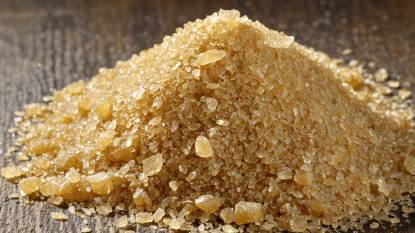


Palm sugar is a traditional sweetener widely used in Indian cooking and Southeast Asian cuisines, particularly in Thai, Indonesian, and Malaysian dishes. Known for its rich, caramel-like flavor and deep brown color, palm sugar is often referred to as gur or jaggery in the Indian subcontinent. It’s prized not only for its sweetness but also for its complex aroma, mineral content, and low glycemic index compared to refined white sugar.
How Palm Sugar Is Made
Palm sugar is derived from the sap of palm trees, most commonly the sugar palm (Borassus flabellifer) or the palmyra palm. The production process is labor-intensive and deeply rooted in traditional methods:
-
Tapping the Tree
Farmers climb the tall trunks of mature palm trees and make incisions near the crown to tap the sap. This process can continue for several months, with the sap collected daily in hanging containers. -
Boiling the Sap
Once harvested, the fresh sap is immediately boiled over wood-fired stoves to prevent fermentation. The sap is reduced to a thick, sticky syrup, which begins to caramelize as it concentrates. -
Forming the Sugar Cakes
The syrup is poured into molds—often halved coconut shells—and left to cool and harden. These molds give palm sugar its characteristic round cake shape and rustic appearance. -
Optional Smoking
In some regions, the syrup is smoked before drying, infusing the sugar with a distinctive, earthy flavor and giving it a darker, almost black hue. This smoked variety is especially valued in certain Thai and Indonesian recipes for its depth and complexity.
Texture, Flavor, and Culinary Applications
Palm sugar typically has a crumbly texture and can range in color from golden brown to deep mahogany, depending on the tree species, processing method, and smoking technique. Its flavor is rich, slightly nutty, and mildly smoky, with notes of molasses, caramel, and toffee.
It’s used extensively in:
- Curries and chutneys in Indian cooking
- Pad Thai, green papaya salad, and Thai dipping sauces
- Indonesian sambals, desserts, and sweet soy sauces
- Traditional sweets like laddu, payasam, and kheer
Palm sugar also balances the heat and acidity in spicy dishes, making it a versatile ingredient in both savory and sweet preparations.
Whether you’re crafting a fiery curry or a delicate dessert, palm sugar offers a natural, unrefined alternative to processed sweeteners, bringing depth, authenticity, and nutritional value to your cooking. Let me know if you’d like a breakdown of its nutritional profile or a comparison with other traditional sugars like cane jaggery or coconut sugar.
Featured Articles
Explore rich culinary stories, exclusive chef interviews, and expert insights from kitchens around the world. Discover cooking techniques, ingredient spotlights, and behind-the-scenes looks at the tools that shape global cuisine.

Georges Auguste Escoffier: Visionary Chef Who Revolutionized French Cuisine and Modern Cooking
Discover the life and legacy of Georges Auguste Escoffier, the legendary chef who transformed French cuisine and laid the foundation for modern culinary arts. This comprehensive historical profile …

How to Use a Knife, Fork, and Spoon
Master the basics of Western table etiquette with this guide to using a knife, fork, and spoon. Learn practical tips, cultural context, and the subtle rules that shape how we dine.

The History of Chocolate
Trace the fascinating history of chocolate—from its ancient origins with the Olmecs and Maya to its transformation into a global indulgence. Explore how cacao evolved from sacred ceremonial drink to …
Georges Auguste Escoffier: Visionary Chef Who Revolutionized French Cuisine and Modern Cooking
Discover the life and legacy of Georges Auguste Escoffier, the legendary chef who …
How to Use a Knife, Fork, and Spoon
Master the basics of Western table etiquette with this guide to using a knife, fork, and …
The History of Chocolate
Trace the fascinating history of chocolate—from its ancient origins with the Olmecs and …