On Tasting Olives and Oil

By: Simon
February 14, 2019 | Updated: February 17, 2026
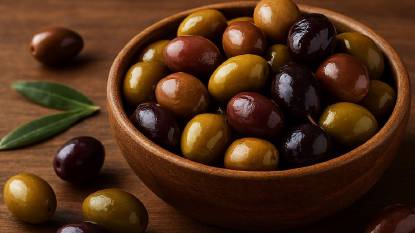


🌿 Olives: The Ancient Fruit That Shaped Civilizations
Olives are more than just a savory snack or garnish—they’re one of the oldest cultivated fruits in human history. Revered for their resilience, flavor, and symbolism, olives have played a central role in Mediterranean culture, cuisine, and commerce for over 6,000 years.
- Botanical Name: Olea europaea
- Family: Oleaceae
- Native Range: Eastern Mediterranean and Near East
- Domestication: ~6000 BCE in the Levant region
🏺 Cultural Legacy
- 🏛️ Ancient Greece: Olives were sacred to Athena; olive wreaths crowned Olympic victors.
- 🕊️ Symbol of peace: The olive branch has long represented reconciliation and diplomacy.
- 📜 Biblical references: Mentioned over 30 times in the Bible, often symbolizing prosperity and divine blessing.
Some olive trees in Crete and Israel are over 2,000 years old and still bear fruit—living monuments to agricultural endurance.
🧬 Nutritional Profile of Olives
| Nutrient | Per 100g (Green Olives) | Health Benefit |
|---|---|---|
| Calories | ~115 kcal | Energy source |
| Fat | ~11g (mostly MUFAs) | Heart health, anti-inflammatory |
| Sodium | ~735mg | Preserved via brining |
| Vitamin E | ~3.8mg | Antioxidant, skin protection |
| Iron | ~3.3mg | Supports red blood cell function |
| Polyphenols | Varies by cultivar | Anti-aging, anti-cancer potential |
Note: Sodium levels vary depending on curing method—rinsing or soaking can reduce salt content.
🌳 Olive Varieties: A Global Palette of Flavor
Olives differ dramatically in taste, texture, and color depending on their cultivar, ripeness, and curing method.
🌍 Popular Cultivars
| Variety | Origin | Flavor Profile | Common Use |
|---|---|---|---|
| Kalamata | 🇬🇷 Greece | Fruity, rich, almond-like | Salads, antipasti |
| Manzanilla | 🇪🇸 Spain | Mild, nutty, slightly bitter | Tapas, stuffing |
| Castelvetrano | 🇮🇹 Italy | Sweet, buttery, crisp | Snacking, cheese boards |
| Picholine | 🇫🇷 France | Briny, firm, tangy | Aperitifs, cocktails |
| Nyon | 🇫🇷 France | Wrinkled, intense, salty | Tapenade, spreads |
| Arbequina | 🇪🇸 Spain | Mild, fruity, delicate | Often used for oil |
Color is not a reliable indicator of ripeness—green olives are harvested earlier, while black olives are typically riper or cured longer.
🧂 Curing & Processing Methods
Raw olives are bitter due to oleuropein, a phenolic compound. Curing removes this bitterness and enhances flavor.
🛠️ Common Curing Techniques
- 🧂 Brining: Soaked in saltwater for weeks to months; preserves texture and flavor.
- 🧪 Lye Curing: Uses sodium hydroxide to speed up debittering; often followed by brining.
- 🌞 Dry/Salt Curing: Packed in salt and air-dried; produces wrinkled, intensely flavored olives.
- 🧺 Water Curing: Soaked in fresh water, changed daily; mildest method, often homemade.
- 🧠 Fermentation: Natural lactic acid fermentation in brine; enhances probiotic content.
Fermented olives may support gut health due to beneficial bacteria developed during curing.
🍽️ Culinary Applications
Olives are versatile across cuisines, offering umami depth, saltiness, and texture.
🧑🍳 Popular Uses
- 🥗 Salads: Greek, Niçoise, and Mediterranean blends
- 🧆 Tapenade: Puréed with capers, garlic, and anchovies
- 🍞 Breads: Focaccia, olive rolls, and flatbreads
- 🍕 Pizza toppings: Especially black olives for contrast
- 🧀 Cheese boards: Paired with aged cheeses and nuts
- 🍸 Cocktails: Classic garnish for martinis and Bloody Marys
Pro Tip: Add chopped olives to pasta sauces or grain bowls for instant flavor elevation.
🌱 Cultivation & Harvesting
Olive trees are hardy, drought-resistant, and thrive in poor soils—ideal for Mediterranean climates.
🌳 Growing Conditions
- Climate: Hot, dry summers and mild winters
- Soil: Well-drained, slightly alkaline
- Pollination: Mostly wind-pollinated; some varieties are self-fertile
🧺 Harvesting
- Timing: Green olives harvested early (Sept–Oct); black olives later (Nov–Jan)
- Methods:
- Manual picking for premium table olives
- Mechanical shaking for bulk harvests
- Nets and combs used to minimize bruising
Trees begin producing fruit after 3–5 years and can live for centuries with proper care.
🌍 Global Production & Trade
| Country | Annual Table Olive Output | Key Regions |
|---|---|---|
| 🇪🇸 Spain | ~500,000 tons | Andalusia, Extremadura |
| 🇹🇷 Turkey | ~400,000 tons | Aegean and Marmara coasts |
| 🇪🇬 Egypt | ~300,000 tons | Nile Delta, Sinai |
| 🇬🇷 Greece | ~200,000 tons | Peloponnese, Crete |
| 🇲🇦 Morocco | ~150,000 tons | Meknes, Fès, Atlas foothills |
Table olives represent a growing segment of global exports, especially in gourmet and health-conscious markets.
🧭 Symbolism & Cultural Relevance
- 🕊️ Peace: Olive branch as a diplomatic gesture
- 🏛️ Wisdom: Sacred to Athena, goddess of wisdom
- 🧘 Longevity: Olive trees symbolize endurance and renewal
- 🧿 Protection: Used in rituals across Mediterranean cultures
In art and literature, olives often represent abundance, resilience, and divine favor.
Olives are a testament to nature’s ability to blend flavor, nutrition, and cultural depth into a single fruit. Whether brined, fermented, or sun-dried, they offer a sensory experience rooted in thousands of years of tradition. From ancient groves to modern plates, olives remain a timeless ingredient worth celebrating. Embrace the olive—not just as food, but as a story of endurance, flavor, and heritage.
“….From the moment I first tasted it, olive oil won over my appetite. I can drink it from the bottle. But for the longest > time I hated all but the blandest, the most buttery of olives. If I’ve persevered toward liking them, it was because my tongue knew that somewhere buried in that bitter flesh were a few drops of unguent gold — if I could only learn to discern and savor them.
Happily, the rest of the equation had an instant, magnetic appeal. The glass of wine, the bread, the olive oil — all these drew my appetite. I had only to see how to this pleasure the olive itself was the essential pivot. And so we begin without the olives, just the rich and unctuous slice.”
From the book Simple Cooking, by John Thorne. New York: Viking Penguin, 1987. (sponsored link).
Featured Articles
Explore rich culinary stories, exclusive chef interviews, and expert insights from kitchens around the world. Discover cooking techniques, ingredient spotlights, and behind-the-scenes looks at the tools that shape global cuisine.

Georges Auguste Escoffier: Visionary Chef Who Revolutionized French Cuisine and Modern Cooking
Discover the life and legacy of Georges Auguste Escoffier, the legendary chef who transformed French cuisine and laid the foundation for modern culinary arts. This comprehensive historical profile …

How to Use a Knife, Fork, and Spoon
Master the basics of Western table etiquette with this guide to using a knife, fork, and spoon. Learn practical tips, cultural context, and the subtle rules that shape how we dine.
The History of Chocolate
Trace the fascinating history of chocolate—from its ancient origins with the Olmecs and Maya to its transformation into a global indulgence. Explore how cacao evolved from sacred ceremonial drink to …
Georges Auguste Escoffier: Visionary Chef Who Revolutionized French Cuisine and Modern Cooking
Discover the life and legacy of Georges Auguste Escoffier, the legendary chef who …
How to Use a Knife, Fork, and Spoon
Master the basics of Western table etiquette with this guide to using a knife, fork, and …
The History of Chocolate
Trace the fascinating history of chocolate—from its ancient origins with the Olmecs and …