What is a Noodle?

By: Simon
March 13, 2019 | Updated: February 17, 2026
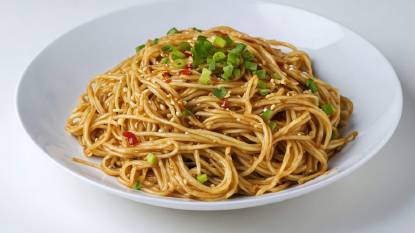


What exactly qualifies as a “real” noodle? Traditionally, noodles are defined as a food made by mixing flour—often wheat—with a liquid, such as water or eggs, and then shaping the dough into long, thin strands. But this definition barely scratches the surface.
There are many noodle-like creations that defy convention. Some are made without eggs, some without wheat, and some without flour at all. Consider agar-agar noodles made from dried seaweed, bean curd skin noodles, or even Chef Nobuyuki Matsuhisa’s inventive squid noodles—crafted entirely from squid. Are they still noodles? Absolutely.
“Real” noodles span cultures and ingredients:
- Asian noodles like cellophane noodles made from mung bean starch
- Rice ribbon noodles made from rice flour
- Western dried pasta made from semolina
Ultimately, a noodle is any food formed by combining some kind of flour or starch with a wet mixing agent and shaping it into strands or strips. Try to narrow it further, and you’ll have thousands of noodle lovers knocking at your door.
🌏 Noodles from the East
🇻🇳 Banh Pho
Popular in Vietnam, these white rice stick noodles are slightly wider (up to 1 cm) than bun, their thinner counterpart. They are briefly boiled in salted water and commonly used in soups—especially the iconic Hanoi dish pho.
🇨🇳 Bean Curd Skin Noodles
A staple in China, these healthy pseudo-noodles are made from the chewy skin that forms on the surface of bean curd (tofu) as it congeals. They’re rich in protein and often used in vegetarian dishes.
🇻🇳 Bun (Thin Rice Stick Noodles)
Also from Vietnam, bun are thread-like white noodles made from rice and water. After a quick boil, they’re used in soups, cold salads, and spring rolls. Their delicate texture makes them ideal for light, refreshing dishes.
🌏 Cellophane Noodles
Also known as:
- Bean threads (Asia)
- Fen si (China)
- Jelly noodles, transparent vermicelli (Asia)
- Soo hoon (Malaysia)
- Sotanghon (Philippines)
- Su un (Indonesia)
- Woon sen (Thailand)
Made from mung bean starch and water, these translucent noodles are used across Asia in soups, stir-fries, braised dishes, and even desserts. They absorb flavors beautifully and are prized for their slippery, glass-like texture.
🇨🇳 E-fu Noodles
Long, flat, pale yellow noodles made from wheat flour and eggs. They’re deep-fried until crisp and sold in loose bundles. To prepare, they’re briefly dipped in boiling water to soften, then added to soups, braised dishes, or cold appetizers.
🇯🇵 Hiyamugi
Delicate Japanese noodles made from wheat flour, salt, and water. They’re thinner than udon but thicker than somen, and are traditionally served cold with dipping sauces—especially in summer.
🇵🇭 Miswa
Thin wheat noodles from the Philippines, off-white in color with a soft, delicate texture. They’re often used in light broths and simple home-style dishes.
🌏 Rice Ribbon Noodles
Flat, short noodles made from rice flour and water. They’re steamed until gelatinous and sold fresh in bundles. Common in stir-fries, soups, and vegetarian dishes.
Also known as:
- Hor fun (Malaysia, Singapore)
- Kui teow sen yai / kei teow sen lek (Thailand)
- Kway tio / gway tio (Malaysia, Singapore)
🇯🇵 Soba Noodles
Tan-colored noodles made from buckwheat flour, often blended with wheat flour. They have a nutty flavor and chewy texture, and are rich in nutrients. Served hot in soups or cold with dipping sauces.
🇯🇵 Somen
Extremely thin wheat noodles with a silky texture. After a brief boil, they’re chilled and served with dipping sauces—especially popular in summer.
🇯🇵 Udon Noodles
Thick, chewy noodles made from wheat flour and water. They can be round or flat and are typically served in hot broths, stews, or stir-fries. Their neutral flavor makes them versatile and comforting.
🍝 Noodles in the West
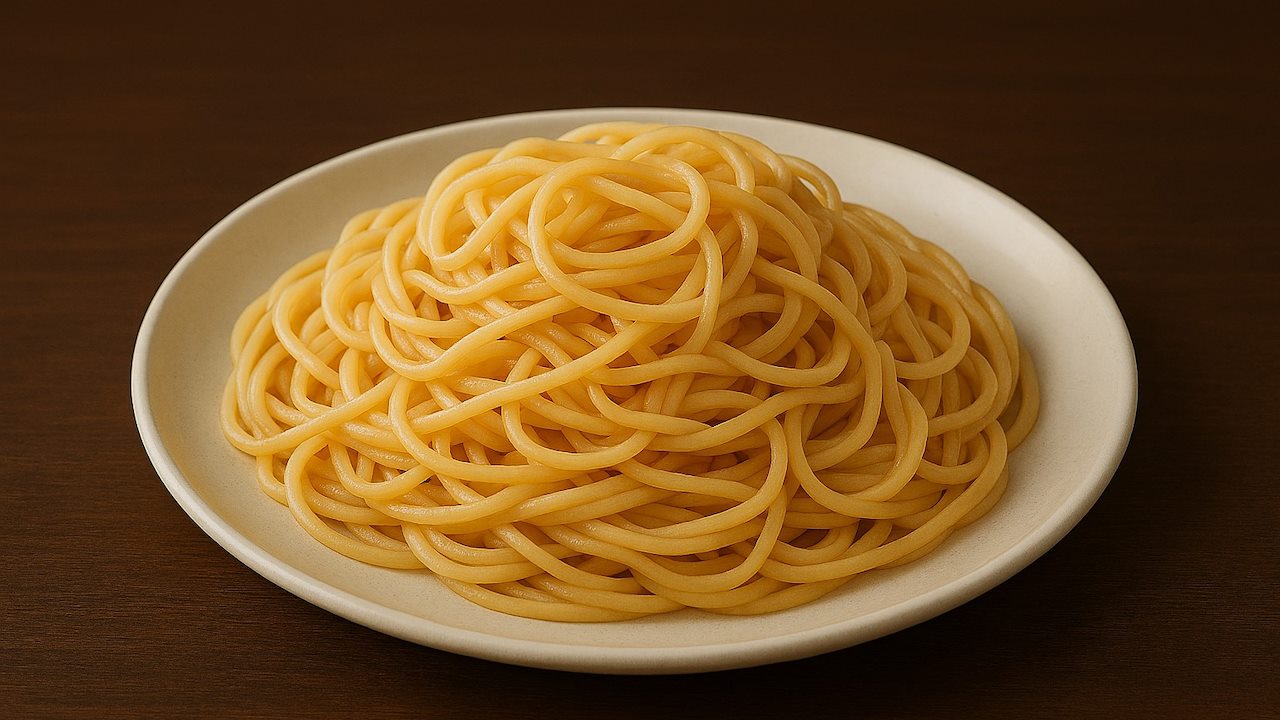
While Asia is often considered the spiritual home of noodles, the West has cultivated its own rich noodle traditions—most famously through Italian pasta, but also via German, Jewish, and Eastern European cuisines.
🇮🇹 Pasta (Italy)
Western noodles are most commonly associated with pasta, a category that includes hundreds of shapes and styles. Made from semolina—a coarse flour derived from durum wheat—and water or eggs, pasta is typically dried and cooked in boiling water.
Popular types include:
- Spaghetti 🍝 – Long, thin strands used in tomato-based sauces
- Fettuccine – Flat ribbons often paired with creamy sauces
- Penne – Tube-shaped pasta ideal for baked dishes
- Lasagna – Wide sheets layered with sauce and cheese
Pasta is more than just a staple—it’s a cultural icon, with regional variations across Italy and beyond.
🇩🇪 Spätzle (Germany)
Spätzle are soft egg noodles made from wheat flour, eggs, and milk or water. The dough is thicker than pasta and often scraped or pressed into boiling water. These chewy noodles are served with gravies, cheese, or sautéed onions, especially in southern Germany and Austria.
🇭🇺 Nokedli (Hungary)
Similar to Spätzle, nokedli are small dumpling-like noodles made from flour, eggs, and water. They’re often served with hearty stews like goulash and are prized for their rustic texture.
🇺🇸 Macaroni and Cheese (United States)
While not a noodle in the traditional sense, elbow macaroni—a short, curved pasta—is central to one of America’s most beloved comfort foods. The dish blends cooked pasta with a creamy cheese sauce, often baked for added texture.
🇮🇱 Lokshen (Ashkenazi Jewish)
Lokshen are thin egg noodles used in Jewish cuisine, especially in chicken soup. They’re made from flour and eggs and can be cut into various widths. Lokshen kugel—a baked noodle pudding—is another classic dish.
Featured Articles
Explore rich culinary stories, exclusive chef interviews, and expert insights from kitchens around the world. Discover cooking techniques, ingredient spotlights, and behind-the-scenes looks at the tools that shape global cuisine.
Georges Auguste Escoffier: Visionary Chef Who Revolutionized French Cuisine and Modern Cooking
Discover the life and legacy of Georges Auguste Escoffier, the legendary chef who transformed French cuisine and laid the foundation for modern culinary arts. This comprehensive historical profile …
How to Use a Knife, Fork, and Spoon
Master the basics of Western table etiquette with this guide to using a knife, fork, and spoon. Learn practical tips, cultural context, and the subtle rules that shape how we dine.
The History of Chocolate
Trace the fascinating history of chocolate—from its ancient origins with the Olmecs and Maya to its transformation into a global indulgence. Explore how cacao evolved from sacred ceremonial drink to …
Georges Auguste Escoffier: Visionary Chef Who Revolutionized French Cuisine and Modern Cooking
Discover the life and legacy of Georges Auguste Escoffier, the legendary chef who …
How to Use a Knife, Fork, and Spoon
Master the basics of Western table etiquette with this guide to using a knife, fork, and …
The History of Chocolate
Trace the fascinating history of chocolate—from its ancient origins with the Olmecs and …