Mole

By: Simon
February 12, 2019 | Updated: February 17, 2026
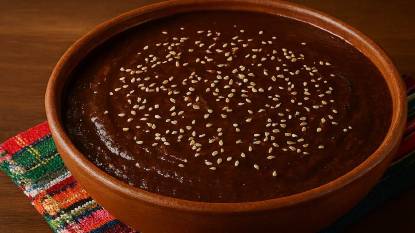


🍫 Mole: Mexico’s Legendary Sauce of Complexity and Culture
The justly famous mole is a complex sauce made from toasted seeds, soaked and puréed chiles, ground raisins, spices, herbs, and a bit of semi-sweet chocolate. Throughout Mexico, the chocolate, seeds, and chiles remain constants, but their types and the rest of the ingredients fluctuate wildly according to the cook.
Oaxacan mole negro is made from three types of chiles, tomatoes, cloves, allspice, cinnamon, thyme, marjoram, oregano, lard, sesame seeds, almonds, peanuts, raisins, onions, garlic, plantains, and chocolate — altogether the sauce has 23 ingredients. A green mole is simpler, combining pumpkin and sesame seeds, five different chiles, cloves, pepper, garlic, chocolate, and broth. Many of these ingredients must be individually roasted, fried, soaked and/or ground before being added. Once the sauce is done, meat that has been poached, perhaps in broth with garlic, onion, and mint, is submerged in the mole, and they are stewed slowly together.
🌎 Cultural Significance of Mole
Mole is more than a sauce — it’s a symbol of Mexican heritage, culinary ingenuity, and regional pride. Its origins trace back to pre-Hispanic times, later evolving through colonial influences. Today, mole is served at weddings, festivals, and religious celebrations, often as the centerpiece of a meal.
- 🇲🇽 Regional Variants: Puebla, Oaxaca, Guerrero, and Tlaxcala each boast their own mole traditions.
- 🧑🍳 Family Recipes: Mole is often passed down through generations, with each cook adding their own twist.
- 🪶 Symbolism: The blending of indigenous and European ingredients reflects Mexico’s layered history.
🌶️ Mole Varieties Across Mexico
While mole negro and mole verde are among the most recognized, there are dozens of mole types, each with unique ingredients and flavor profiles:
| Mole Type | Key Ingredients | Flavor Profile |
|---|---|---|
| Mole Poblano | Mulato, pasilla, ancho chiles, chocolate, nuts | Rich, sweet-spicy 🍫🌶️ |
| Mole Coloradito | Tomatoes, ancho chiles, cinnamon, plantains | Earthy, slightly fruity 🍅🍌 |
| Mole Amarillo | Yellow chiles, masa, garlic, cumin | Bright, peppery 🌽🧄 |
| Mole Manchamanteles | Pineapple, apple, cinnamon, chorizo | Sweet-savory fusion 🍍🍎 |
| Mole Verde | Pumpkin seeds, tomatillos, green chiles | Herbal, nutty 🌿🌰 |
🧪 Nutritional Profile of Mole
Mole is nutrient-dense due to its diverse ingredients, though its richness means it’s best enjoyed in moderation:
| Nutrient | Per 100g (approximate) | Benefits 🌟 |
|---|---|---|
| Calories | 210–280 kcal | Energy-dense ⚡ |
| Protein | 6–10 g | Muscle support 💪 |
| Healthy Fats | 12–18 g | Satiety & heart health ❤️ |
| Fiber | 4–6 g | Digestive aid 💩 |
| Iron | 2.5–4 mg | Blood oxygenation 🔩 |
| Magnesium | 60–90 mg | Nerve & muscle function 🧠 |
| Antioxidants | High (from chiles, chocolate, spices) | Cellular protection ✨ |
🍫 Note: The inclusion of dark chocolate and nuts contributes polyphenols and healthy fats, while chiles provide capsaicin — known for metabolism and anti-inflammatory benefits.
🔥 Preparation Techniques
Crafting mole is a labor-intensive process that rewards patience and precision:
- Roasting: Seeds, nuts, and chiles are toasted to deepen flavor.
- Soaking: Dried chiles and raisins are rehydrated for smooth blending.
- Grinding: Ingredients are puréed into a thick paste using a molcajete or blender.
- Layering: Spices and herbs are added in stages to build complexity.
- Simmering: The sauce is slowly cooked, often for hours, to meld flavors.
🧑🍳 Pro Tip: Mole improves with time — many cooks prepare it a day ahead to allow the flavors to mature.
🍽️ Serving Mole
Mole is traditionally served with:
- 🐓 Poached chicken or turkey
- 🍚 Steamed rice or tortillas
- 🧅 Pickled onions or fresh herbs
It’s also used in enchiladas, tamales, and even as a base for vegetarian dishes featuring mushrooms, jackfruit, or roasted squash.
🔍 SEO Keywords to Target
To optimize this article for search engines, consider integrating the following keywords naturally:
- “What is mole sauce”
- “Traditional Mexican mole recipe”
- “Mole negro ingredients”
- “Health benefits of mole”
- “How to make mole from scratch”
- “Types of mole in Mexican cuisine”
- “Mole poblano vs mole verde”
Mole is a culinary masterpiece — a sauce that tells stories, bridges cultures, and celebrates the art of slow cooking. Whether you’re savoring the deep richness of mole negro or the herbal brightness of mole verde, each bite is a tribute to Mexico’s vibrant food heritage.
🫕 Once the sauce is done, meat that has been poached, perhaps in broth with garlic, onion, and mint, is submerged in the mole, and they are stewed slowly together.
Featured Articles
Explore rich culinary stories, exclusive chef interviews, and expert insights from kitchens around the world. Discover cooking techniques, ingredient spotlights, and behind-the-scenes looks at the tools that shape global cuisine.

Georges Auguste Escoffier: Visionary Chef Who Revolutionized French Cuisine and Modern Cooking
Discover the life and legacy of Georges Auguste Escoffier, the legendary chef who transformed French cuisine and laid the foundation for modern culinary arts. This comprehensive historical profile …

How to Use a Knife, Fork, and Spoon
Master the basics of Western table etiquette with this guide to using a knife, fork, and spoon. Learn practical tips, cultural context, and the subtle rules that shape how we dine.

The History of Chocolate
Trace the fascinating history of chocolate—from its ancient origins with the Olmecs and Maya to its transformation into a global indulgence. Explore how cacao evolved from sacred ceremonial drink to …
Georges Auguste Escoffier: Visionary Chef Who Revolutionized French Cuisine and Modern Cooking
Discover the life and legacy of Georges Auguste Escoffier, the legendary chef who …
How to Use a Knife, Fork, and Spoon
Master the basics of Western table etiquette with this guide to using a knife, fork, and …
The History of Chocolate
Trace the fascinating history of chocolate—from its ancient origins with the Olmecs and …