Masa and Masa Harina: The Heart and Soul of Mexican Cuisine

By: Simon
May 1, 2022 | Updated: February 17, 2026
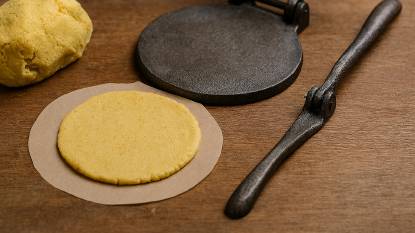


In the Spanish language, the word “masa” translates simply to “dough.” Yet, within the rich culinary landscape of Mexico, the term carries a profound and singular weight. It is generally understood as masa de maíz: corn dough. For many chefs and food historians, masa is to Mexican cooking what stock is to French cuisine—the defining and essential element, the foundational canvas upon which a nation’s gastronomic identity is painted. It is the soul of the tortilla, the body of the tamal, and the heritage of a civilization. This transformation of humble corn into a versatile, nourishing dough is an ancient alchemy, bridging pre-Columbian tradition with modern kitchens worldwide through its convenient descendant: masa harina.
The Ancient Alchemy: Nixtamalization
The journey of masa begins not with grinding, but with a transformative chemical process older than the Aztec Empire: nixtamalization. This is the crucial step that differentiates simple ground corn from true masa.
The Process
- Cooking: Whole, dried maize kernels (field corn, not sweet corn) are simmered in an alkaline solution. Traditionally, this is water mixed with calcium hydroxide, known as cal in Spanish. Historically, wood ash was used as the alkaline source.
- Steeping: The cooked corn, now called nixtamal, is left to soak for several hours or overnight. The kernels soften, swell, and their hulls loosen.
- Washing: The nixtamal is drained and vigorously rubbed or rinsed in water to remove the now-detached hulls (the nejayote). This leaves behind soft, puffy, distinctly aromatic kernels.
- Grinding: The washed nixtamal is ground, traditionally on a volcanic stone metate (grinding stone), to create a cohesive, damp dough—fresh masa.
Historical & Nutritional Significance
This process, developed in Mesoamerica over 3,500 years ago, was a stroke of genius that shaped history.
- Nutritional Revolution: Nixtamalization unlocks the nutrient niacin (Vitamin B3) within corn, making it bioavailable. Without this process, a diet heavily reliant on corn leads to pellagra, a debilitating deficiency disease. It also increases the availability of calcium and amino acids, creating a more complete nutritional profile.
- Culinary Transformation: The process dramatically improves flavor, developing the earthy, subtly sweet, and complex aroma quintessential to real tortillas. It also changes the corn’s structure, allowing the ground dough to become cohesive and pliable enough to form tortillas and tamales. Without nixtamalization, cornmeal simply makes crumbly flatbreads.
- Cultural Cornerstone: This knowledge was so vital it was passed down through generations, forming the bedrock of civilizations like the Maya and Aztec. The metate became a central tool in every household, and the daily rhythm of making masa was, and in many places remains, a fundamental domestic ritual.
Masa: The Fresh Dough
Freshly ground masa is a living ingredient, prized for its superior texture and flavor. Its consistency is not one-size-fits-all; it is expertly tailored to its final purpose:
- Masa para Tortillas: This is a smoother, softer, and slightly wetter dough. The fine grind and higher hydration allow it to be pressed or patted into thin, uniform discs that puff beautifully on the comal (griddle), developing a delicate, slightly charred flavor and a flexible yet sturdy structure.
- Masa para Tamales: Used for tamales, this dough is coarser, stiffer, and often enriched with fat (like lard or vegetable shortening). The coarse grind provides texture, while the firm consistency allows it to be spread onto corn husks or banana leaves without becoming soggy during the long steaming process. It becomes light, cake-like, and flavorful when cooked.
Beyond tortillas and tamales, fresh masa is the base for a universe of antojitos (little cravings): thick sopes with pinched edges, boat-shaped gorditas, crispy chalupas, and the fermented drink tejuino.
Masa Harina: Tradition in a Bag
Masa Harina (literally “dough flour”) is the ingenious modern bridge between ancient tradition and global kitchens. It is factory-made, dehydrated nixtamal that has been ground into a fine powder. To use it, one simply rehydrates the flour with water to reconstitute masa dough.
Invention & Impact: The invention of masa harina is credited to Mexican entrepreneur Don Roberto González, who founded the Molinos Azteca company in the 1940s (later known as GRUMA, the makers of the iconic Maseca brand). His goal was to create a stable, transportable, and consistent product that would preserve the nutritional benefits of nixtamalization while simplifying the labor-intensive daily process. This innovation:
- Democratized Tradition: Made authentic tortilla-making accessible to people without access to fresh nixtamal or stone mills.
- Standardized Quality: Provided a consistent product unaffected by regional corn varieties or grinding techniques.
- Globalized Mexican Food: Became the essential export that allowed Mexican restaurants and home cooks worldwide to create foundational dishes authentically.
Culinary Use
Masa harina can be used to make anything that calls for fresh masa, with some understanding. Tortillas made from masa harina are excellent, though purists note a subtle difference in depth of flavor and aroma compared to stone-ground fresh masa. For tamales, a specific “masa preparada para tamales” is often sold, which is coarser. The great virtue of masa harina is its shelf stability and convenience, making the magic of masa a pantry staple.
Cultural Context: More Than Just Food
Masa is a cultural touchstone. The daily making of tortillas (tortillar) was, and is, a skilled craft often passed from mother to daughter. The sound of the metate, the slap of dough between palms, and the scent of cooking on the comal define the sensory memory of home for millions. The tortilla is not just bread; it is a utensil (a sopeador for soaking up sauce), a plate, and a wrapper. It is served at every meal, from humble breakfasts to celebratory feasts. Tamales, wrapped and steamed, are the food of community and celebration, made in massive quantities for holidays, festivals, and family gatherings, their preparation a social event in itself.
Basic Recipes & Applications
1. Basic Masa Harina Tortillas
- Ingredients: 2 cups masa harina, 1 ¼ to 1 ½ cups warm water, ½ tsp salt.
- Method: Mix dry ingredients. Gradually add water, kneading until a smooth, pliable dough forms (like Play-Doh). Cover and rest 30 minutes. Divide into 12-16 balls. Press between plastic in a tortilla press or roll out. Cook on a hot, dry griddle or cast-iron skillet for 45-60 seconds per side, until freckled and puffing.
- Tip: Keep cooked tortillas wrapped in a cloth napkin in a basket to stay soft and warm.
2. Simple Tamal Dough (Using Masa Harina)
- Ingredients: 3 cups masa harina for tamales (or regular), 2 cups warm broth (chicken or vegetable), 1 tsp baking powder, 1 tsp salt, 1 ⅓ cups lard or vegetable shortening.
- Method: Beat lard until very light and fluffy, about 3-5 minutes. In another bowl, mix masa harina, baking powder, and salt. Alternately add the dry ingredients and warm broth to the beaten fat, mixing until the dough is light, spreadable, and a small dollop floats in a cup of cold water. Spread onto soaked corn husks, fill, fold, and steam for 60-75 minutes.
3. Sopes (An Antojito Classic)
- Ingredients: Use the basic tortilla dough.
- Method: Form masa into thicker, 2-inch diameter discs. After the first cook on the griddle, while still soft, pinch a raised edge around the perimeter to form a small boat. Fry briefly until the bottom is lightly crisped. Fill immediately with refried beans, shredded meat, lettuce, salsa, and crumbled cheese.
Nutritional Profile
Masa is a wholesome, energy-providing food. Per 100g of dry masa harina (approx. 1 cup):
- Calories: ~ 365 kcal
- Carbohydrates: ~ 76 g (primarily complex carbs for sustained energy)
- Protein: ~ 8 g (a notable plant-based source)
- Fat: ~ 4 g (naturally low in fat)
- Fiber: ~ 7 g (supports digestive health)
- Key Vitamins/Minerals: Enriched with Niacin (B3) and Calcium from the nixtamalization process, along with iron, magnesium, and phosphorus.
Health Note: As a processed food, commercial masa harina may contain additives. For the purest product, seek brands with only corn and lime (calcium hydroxide) on the ingredient list.
From the ancient metate to the modern bag of Maseca, the story of masa is one of continuity and adaptation. It is a testament to indigenous scientific knowledge—the nixtamalization process—that ensured survival and built a civilization. Today, whether in the form of fresh dough from a neighborhood tortillería or reconstituted from masa harina in a home kitchen continents away, masa remains the indispensable, flavorful, and nourishing heart of Mexican cuisine. It is more than an ingredient; it is history, culture, and comfort made edible.
Featured Articles
Explore rich culinary stories, exclusive chef interviews, and expert insights from kitchens around the world. Discover cooking techniques, ingredient spotlights, and behind-the-scenes looks at the tools that shape global cuisine.
Georges Auguste Escoffier: Visionary Chef Who Revolutionized French Cuisine and Modern Cooking
Discover the life and legacy of Georges Auguste Escoffier, the legendary chef who transformed French cuisine and laid the foundation for modern culinary arts. This comprehensive historical profile …
How to Use a Knife, Fork, and Spoon
Master the basics of Western table etiquette with this guide to using a knife, fork, and spoon. Learn practical tips, cultural context, and the subtle rules that shape how we dine.
The History of Chocolate
Trace the fascinating history of chocolate—from its ancient origins with the Olmecs and Maya to its transformation into a global indulgence. Explore how cacao evolved from sacred ceremonial drink to …
Georges Auguste Escoffier: Visionary Chef Who Revolutionized French Cuisine and Modern Cooking
Discover the life and legacy of Georges Auguste Escoffier, the legendary chef who …
How to Use a Knife, Fork, and Spoon
Master the basics of Western table etiquette with this guide to using a knife, fork, and …
The History of Chocolate
Trace the fascinating history of chocolate—from its ancient origins with the Olmecs and …