Lemongrass

By: Simon
February 12, 2019 | Updated: February 17, 2026


🌾 Lemongrass: The Aromatic Backbone of Southeast Asian Cuisine
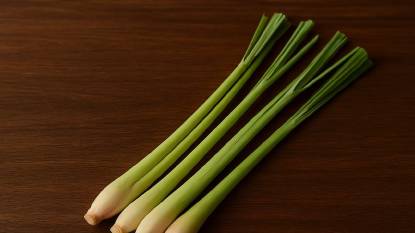
This herb, which is native to Malaysia and grown throughout Southeast Asia and California, is one of the most important in Southeast Asian cooking. With the great popularity of the food of that region, lemon grass has made its way onto countless ingredients lists for all sorts of dishes. It has long, thin, gray-green leaves, and a scallion-like base. The stalks are too tough to eat but impart a distinctive fragrance and taste when simmered in a liquid. In the elaborate flavor play of Southeast Asian cooking, lemon grass balances hot chiles, gives depth to cool mint, and creates a zing in coconut milk soup. Citral, an essential oil also found in lemon peel, gives lemon grass its distinctive lemony taste and scent.
🌍 Culinary Significance & Global Reach
Lemongrass (Cymbopogon citratus) is a cornerstone of Southeast Asian flavor architecture. Its citrusy aroma and subtle earthiness make it a key ingredient in:
- 🇹🇭 Thai tom yum and tom kha soups
- 🇻🇳 Vietnamese grilled meats and dipping sauces
- 🇰🇭 Cambodian amok curry
- 🇮🇩 Indonesian satay marinades
- 🇲🇾 Malaysian laksa and rendang
Beyond Asia, lemongrass has found a home in fusion cuisine, herbal teas, and even craft cocktails, thanks to its refreshing profile and versatility.
🧪 Nutritional Profile of Lemongrass
Lemongrass is not just flavorful — it’s packed with beneficial compounds and micronutrients:
| Nutrient | Per 100g (Fresh) | Benefits 🌿 |
|---|---|---|
| Calories | 99 kcal | Low energy, high flavor |
| Carbohydrates | 25.3 g | Natural energy source |
| Fiber | 1.8 g | Digestive support 💩 |
| Vitamin C | 2.6 mg | Immune boost 🛡️ |
| Potassium | 723 mg | Heart health ❤️ |
| Magnesium | 60 mg | Muscle & nerve function 💪 |
| Citral & Geraniol | — | Antimicrobial & anti-inflammatory ✨ |
🍵 Tip: Lemongrass tea is a popular detox drink, often used to relieve bloating and promote relaxation.
🧠 Flavor Chemistry & Aromatic Compounds
The signature lemony scent of lemongrass comes from citral, a compound also found in citrus peels. Citral is composed of two isomers — geranial and neral — which contribute to its sharp, clean aroma and mild bitterness.
- 🌬️ Volatile oils: Released when bruised or simmered, infusing broths and sauces with depth.
- 🧪 Antioxidants: Lemongrass contains flavonoids and phenolic compounds that may support cellular health.
Its ability to cut through richness and elevate herbal notes makes it a natural companion to coconut milk, chili, garlic, and mint.
🍽️ Culinary Applications
Lemongrass is used in multiple forms, each with distinct culinary roles:
🟢 Fresh Stalks
- Bruised and simmered in soups and stews
- Minced for marinades and spice pastes
- Infused into broths and stocks
🟡 Dried Lemongrass
- Used in herbal teas and spice blends
- Rehydrated for slow-cooked dishes
🧴 Lemongrass Oil
- Popular in aromatherapy and natural cleaning products
- Occasionally used in desserts and beverages
⚠️ Note: The fibrous stalks are not typically eaten whole — they’re used for infusion and then discarded.
🌱 Growing & Sustainability
Lemongrass is a hardy perennial in tropical climates and an annual in cooler zones. It thrives in well-drained soil and full sun:
- 🌿 Propagation: Easily grown from stalk cuttings or seeds
- 💧 Watering: Moderate, with good drainage
- 🌎 Eco-friendly: Fast-growing and low-maintenance, making it ideal for sustainable agriculture
Its rapid growth and minimal pest issues make it a favorite among home gardeners and permaculture enthusiasts.
Lemongrass is more than a flavor enhancer — it’s a cultural symbol, a nutritional ally, and a botanical marvel. Whether you’re crafting a Thai curry, brewing a calming tea, or exploring herbal remedies, lemongrass delivers unmistakable character and healthful benefits.
🍋 Citral, an essential oil also found in lemon peel, gives lemon grass its distinctive lemony taste and scent.
Featured Articles
Explore rich culinary stories, exclusive chef interviews, and expert insights from kitchens around the world. Discover cooking techniques, ingredient spotlights, and behind-the-scenes looks at the tools that shape global cuisine.

Georges Auguste Escoffier: Visionary Chef Who Revolutionized French Cuisine and Modern Cooking
Discover the life and legacy of Georges Auguste Escoffier, the legendary chef who transformed French cuisine and laid the foundation for modern culinary arts. This comprehensive historical profile …

How to Use a Knife, Fork, and Spoon
Master the basics of Western table etiquette with this guide to using a knife, fork, and spoon. Learn practical tips, cultural context, and the subtle rules that shape how we dine.

The History of Chocolate
Trace the fascinating history of chocolate—from its ancient origins with the Olmecs and Maya to its transformation into a global indulgence. Explore how cacao evolved from sacred ceremonial drink to …
Georges Auguste Escoffier: Visionary Chef Who Revolutionized French Cuisine and Modern Cooking
Discover the life and legacy of Georges Auguste Escoffier, the legendary chef who …
How to Use a Knife, Fork, and Spoon
Master the basics of Western table etiquette with this guide to using a knife, fork, and …
The History of Chocolate
Trace the fascinating history of chocolate—from its ancient origins with the Olmecs and …