Growing a Lemon

By: Simon
February 13, 2019 | Updated: February 17, 2026
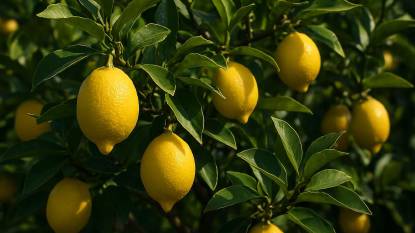


🍋 Lemon Trees: Cultivation, Climate, and Centuries of Innovation
A lemon tree is a subtropical plant, and in its natural habitat, its fruit is green and only slightly acidic. For lemons to develop their signature tart flavor and vibrant yellow color, the temperature must dip below 50°F / 10°C but remain above freezing. ❄️ If temperatures drop below freezing, mature lemons on the tree will die—making climate control a top priority for lemon growers worldwide.
🌡️ Climate Control: The Key to Tartness
To ensure lemons reach optimal acidity and color, growers must carefully manage the microclimate around their orchards. This delicate balance—cool enough to trigger acid development, but warm enough to avoid frost damage—is essential for producing high-quality fruit.
Modern techniques include:
- 🌬️ Wind machines to circulate warmer air and prevent frost pockets
- 🔥 Oil-burning lamps to maintain ambient temperatures during cold snaps
These methods help stabilize the environment and extend the growing season, especially in marginal climates.
🏞️ Lake Garda: The Northernmost Citrus Haven
At Lake Garda in northern Italy, lemon cultivation has thrived for centuries—despite being the northernmost citrus-growing region in the world. 🍃
Lemon growing around Lake Garda dates back to at least the year 1500. Thanks to the lake’s warming influence and the protective barrier of surrounding mountains, the region enjoys a relatively mild climate. However, for about three weeks each year, temperatures dip below freezing—too cold for the persnickety lemon tree to survive unaided.
🧱 Ingenious Architecture: Lemon Houses of Garda
To combat the cold, growers in Lake Garda developed a unique architectural solution known as limonaie—lemon houses designed to shield trees from frost.
Historic techniques included:
- 🧱 Building high stone walls around lemon gardens to trap heat
- 🪵 Installing stone and concrete pillars at regular intervals (13 feet / 4 meters) between trees
- 🧺 In November, gardeners would cover the pillars with matting and wooden screens
- 🌞 Glass panels built into the screens allowed sunlight to filter through
- 🔥 During extreme cold, fires and stoves were lit inside the enclosures
- 🌸 In April, the entire structure was dismantled to allow full sun exposure
This seasonal system created a controlled environment that mimicked subtropical conditions, enabling each tree to produce up to 600 tart lemons annually—often for over a century. 🍋🔥
📈 Why It Matters: Sustainability and Heritage
The Lake Garda method is a testament to agricultural ingenuity and environmental adaptation. It highlights how traditional practices can coexist with modern techniques to preserve crop quality and regional identity.
SEO Highlights:
- Lemon tree climate requirements
- Subtropical citrus cultivation
- Lake Garda lemon history
- Frost protection for citrus trees
- Traditional vs. modern lemon farming
Lemon trees may be sensitive, but with the right care—and a bit of architectural creativity—they can thrive in unexpected places. From ancient stone walls to modern wind machines, the story of lemon cultivation is one of resilience, precision, and flavor.
For more on lemons, see the book: Much Depends on Dinner: The Extraordinary History and Mythology, Allure and Obsessions, Perils and Taboos of an Ordinary Meal, by Margaret Visser (pages 259 to 284). New York: Collier Books, 1986. (sponsored link)
Featured Articles
Explore rich culinary stories, exclusive chef interviews, and expert insights from kitchens around the world. Discover cooking techniques, ingredient spotlights, and behind-the-scenes looks at the tools that shape global cuisine.
Georges Auguste Escoffier: Visionary Chef Who Revolutionized French Cuisine and Modern Cooking
Discover the life and legacy of Georges Auguste Escoffier, the legendary chef who transformed French cuisine and laid the foundation for modern culinary arts. This comprehensive historical profile …

How to Use a Knife, Fork, and Spoon
Master the basics of Western table etiquette with this guide to using a knife, fork, and spoon. Learn practical tips, cultural context, and the subtle rules that shape how we dine.
The History of Chocolate
Trace the fascinating history of chocolate—from its ancient origins with the Olmecs and Maya to its transformation into a global indulgence. Explore how cacao evolved from sacred ceremonial drink to …
Georges Auguste Escoffier: Visionary Chef Who Revolutionized French Cuisine and Modern Cooking
Discover the life and legacy of Georges Auguste Escoffier, the legendary chef who …
How to Use a Knife, Fork, and Spoon
Master the basics of Western table etiquette with this guide to using a knife, fork, and …
The History of Chocolate
Trace the fascinating history of chocolate—from its ancient origins with the Olmecs and …