Galangal: The Aromatic Rhizome Known as Blue Ginger

By: Simon
March 14, 2019 | Updated: February 17, 2026


🌍 Regional Names and Identity
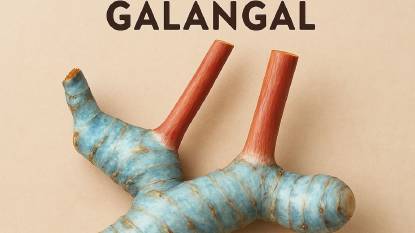
- Laos & Indonesia: Commonly referred to as Blue Ginger, a name inspired by its pale, bluish skin and resemblance to ginger.
- Thailand: Known locally as “ka” or “kha”, and widely used in both cuisine and traditional medicine.
- Malaysia: Called “lengkaus”, and featured prominently in Malay spice blends and broths.
Though visually similar to ginger, galangal has a sharper, more citrusy and pine-like flavor. Substituting ginger for galangal in recipes will noticeably alter the taste and compromise the dish’s authenticity.
🌿 Botanical Profile
- Family: Zingiberaceae (includes ginger and turmeric)
- Appearance: Knobby rhizome with bluish undertones and reddish stems
- Flavor: Pungent, peppery, with hints of citrus and resin
Unlike its botanical cousins, galangal offers a unique aromatic profile that makes it indispensable in certain cuisines and remedies.
🍲 Culinary Applications
🔥 Southeast Asian Cuisine
Galangal is a foundational ingredient in many Southeast Asian dishes:
- Thailand: Tom Yum soup, green curry, herbal broths
- Indonesia: Rendang, sambals, spice pastes
- Malaysia: Laksa, nasi ulam, traditional soups
Its bold flavor cuts through rich coconut milk and balances spicy, sour, and umami notes in complex dishes.
🕌 Persian Cuisine
In Persian cooking, galangal appears in:
- Stews (khoresh)
- Spiced rice dishes
- Herbal tonics
Its inclusion reflects centuries of spice trade and cultural exchange between Southeast Asia and the Middle East.
🧪 Medicinal and Historical Significance
🏰 Medieval Europe
During the Middle Ages, galangal was:
- Prescribed by apothecaries for digestive issues
- Used in love potions and aphrodisiac tonics
- Imported as a luxury spice via trade routes
🌱 Modern Thai Herbalism
Today, galangal remains a staple in Thai traditional medicine:
- Treats nausea, bloating, and inflammation
- Brewed into teas or added to healing broths
- Used alongside lemongrass and kaffir lime in holistic remedies
🧂 Forms and Usage
- Fresh: Sliced or crushed for maximum aroma
- Dried: Used in spice blends and long-simmered broths
- Powdered: Convenient for marinades and rubs
No matter the form, galangal delivers a bold, unmistakable flavor and a host of therapeutic benefits.
Galangal is far more than a ginger lookalike. With its sharp, resinous flavor and deep cultural roots, it plays a vital role in Southeast Asian and Persian cuisines, traditional medicine, and historical spice lore. Whether you’re crafting a fiery Thai soup or exploring ancient herbal remedies, galangal brings complexity, character, and authenticity to the table.
Featured Articles
Explore rich culinary stories, exclusive chef interviews, and expert insights from kitchens around the world. Discover cooking techniques, ingredient spotlights, and behind-the-scenes looks at the tools that shape global cuisine.

Georges Auguste Escoffier: Visionary Chef Who Revolutionized French Cuisine and Modern Cooking
Discover the life and legacy of Georges Auguste Escoffier, the legendary chef who transformed French cuisine and laid the foundation for modern culinary arts. This comprehensive historical profile …

How to Use a Knife, Fork, and Spoon
Master the basics of Western table etiquette with this guide to using a knife, fork, and spoon. Learn practical tips, cultural context, and the subtle rules that shape how we dine.

The History of Chocolate
Trace the fascinating history of chocolate—from its ancient origins with the Olmecs and Maya to its transformation into a global indulgence. Explore how cacao evolved from sacred ceremonial drink to …
Georges Auguste Escoffier: Visionary Chef Who Revolutionized French Cuisine and Modern Cooking
Discover the life and legacy of Georges Auguste Escoffier, the legendary chef who …
How to Use a Knife, Fork, and Spoon
Master the basics of Western table etiquette with this guide to using a knife, fork, and …
The History of Chocolate
Trace the fascinating history of chocolate—from its ancient origins with the Olmecs and …