Coriander

By: Simon
February 12, 2019 | Updated: February 17, 2026
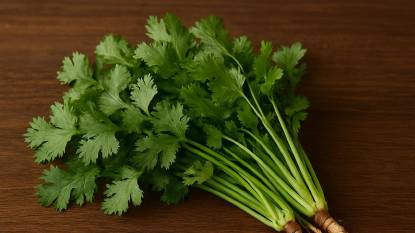


🌿 Coriander: A Global Flavor Powerhouse
The name coriander does not signify one thing — it represents a seed, a leaf, and a powder used in Central America, South America, all of Asia, the Mediterranean basin, the Southwest of the United States, and in any menu that replicates the flavors of one or all of these regions. Coriander-the-leaf is also known as Cilantro and Chinese Parsley. The profusion of names and forms are replicated in the range of flavors created by this coriander: the whole dried seeds are nutty and warm, the powder intense, the leaf vibrant or soapy — depending on what camp the taster is in. In any form, though, when coriander is present, it is known.
🧭 Origins and Culinary Reach
Coriander (Coriandrum sativum) is one of the oldest known herbs and spices, with usage dating back to ancient Egypt and classical Greece. Its versatility has made it a staple across continents:
- Latin America: Used in salsas, ceviches, and mole sauces.
- South Asia: Integral to curries, chutneys, and spice blends like garam masala.
- Middle East & Mediterranean: Found in falafel, tagines, and herb-forward salads.
- United States Southwest: Essential in Tex-Mex cuisine, especially in guacamole and taco toppings.
Its dual identity — leaf and seed — allows it to bridge fresh and earthy flavor profiles, making it indispensable in both raw and cooked applications.
🧪 Nutritional Profile of Coriander
Whether you’re using the leaves or seeds, coriander brings more than just flavor — it offers a nutritional boost:
| Component | Cilantro (Leaf) per 100g | Coriander Seeds per 100g |
|---|---|---|
| Calories | 23 kcal | 298 kcal |
| Protein | 2.1 g | 12.4 g |
| Fiber | 2.8 g | 41.9 g |
| Vitamin C 🧡 | 27 mg (45% DV) | 21 mg (35% DV) |
| Vitamin K 💚 | 310 µg (258% DV) | 135 µg (112% DV) |
| Iron 🔩 | 1.8 mg (10% DV) | 16.3 mg (90% DV) |
| Antioxidants ✨ | Rich in quercetin, luteolin | High in terpenes and flavonoids |
💡 Fun Fact: Cilantro is a natural chelator — it may help bind heavy metals and assist in detoxification.
🧠 Flavor Chemistry & Genetic Quirks
Coriander’s polarizing flavor — especially the leaf — is due to aldehydes like E-2-decenal and E-2-dodecenal, which some people perceive as soapy. This isn’t just taste preference; it’s genetic. A variant in the OR6A2 gene affects how individuals detect these compounds.
- 👃 Love it? You likely associate the aldehydes with freshness.
- 🤢 Hate it? Your olfactory receptors may amplify the soap-like notes.
Despite this divide, coriander remains one of the most widely used herbs globally.
🍽️ Culinary Applications
Coriander’s versatility is unmatched:
🌱 Fresh Cilantro
- Garnish for soups, tacos, and rice dishes
- Base for green sauces like chimichurri and chutney
- Blended into smoothies for a detoxifying kick
🌰 Coriander Seeds
- Toasted and ground into spice blends
- Used whole in pickling brines and stews
- Infused into oils and marinades
🟤 Ground Coriander
- Adds warmth to baked goods like spice cookies
- Enhances depth in curry powders and rubs
- Pairs well with cumin, cinnamon, and citrus zest
🔍 SEO Keywords to Target
To optimize this article for search engines, consider integrating the following keywords naturally throughout your content:
- “Coriander vs cilantro”
- “Health benefits of coriander”
- “Coriander seed uses”
- “Cilantro nutrition facts”
- “Why does cilantro taste like soap”
- “Coriander in global cuisine”
- “Coriander recipes for detox”
🌎 Sustainability & Cultivation
Coriander is relatively easy to grow and thrives in temperate climates. It’s a fast-growing annual that can be harvested multiple times:
- 🌱 Grow Tip: Sow seeds directly into soil and harvest leaves within 3–4 weeks.
- 🌾 Seed Harvest: Allow plants to flower and set seed for spice production.
Its low water requirements and short growing cycle make it a sustainable choice for home gardens and commercial farms alike.
Coriander is more than a spice — it’s a cultural connector, a nutritional ally, and a flavor catalyst. Whether you’re sprinkling fresh cilantro over a bowl of pho or grinding seeds into a Moroccan tagine, coriander brings unmistakable character to the plate.
🌟 In any form, when coriander is present, it is known.
Featured Articles
Explore rich culinary stories, exclusive chef interviews, and expert insights from kitchens around the world. Discover cooking techniques, ingredient spotlights, and behind-the-scenes looks at the tools that shape global cuisine.

Georges Auguste Escoffier: Visionary Chef Who Revolutionized French Cuisine and Modern Cooking
Discover the life and legacy of Georges Auguste Escoffier, the legendary chef who transformed French cuisine and laid the foundation for modern culinary arts. This comprehensive historical profile …
How to Use a Knife, Fork, and Spoon
Master the basics of Western table etiquette with this guide to using a knife, fork, and spoon. Learn practical tips, cultural context, and the subtle rules that shape how we dine.
The History of Chocolate
Trace the fascinating history of chocolate—from its ancient origins with the Olmecs and Maya to its transformation into a global indulgence. Explore how cacao evolved from sacred ceremonial drink to …
Georges Auguste Escoffier: Visionary Chef Who Revolutionized French Cuisine and Modern Cooking
Discover the life and legacy of Georges Auguste Escoffier, the legendary chef who …
How to Use a Knife, Fork, and Spoon
Master the basics of Western table etiquette with this guide to using a knife, fork, and …
The History of Chocolate
Trace the fascinating history of chocolate—from its ancient origins with the Olmecs and …