Coconut Milk - From tropical grating to creamy curries

By: Simon
March 13, 2019 | Updated: February 17, 2026
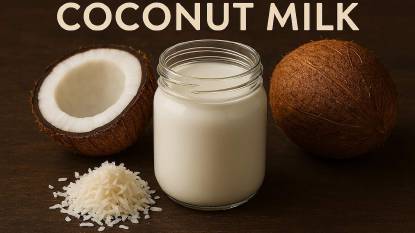


No, believe it or not, coconut milk—an indispensable ingredient in most Southeast Asian cooking 🍜—is not the clear liquid sloshing inside a fresh coconut. That watery substance is coconut water, a refreshing drink with mild sweetness and electrolytes. Coconut milk, by contrast, is a rich, creamy emulsion made by soaking grated coconut flesh in hot water or scalded milk, then straining the mixture to extract its luscious oils and solids.
🧂 How It’s Made
The process begins with mature coconut meat, which is grated and steeped in hot liquid. This releases the fat-rich compounds that give coconut milk its signature texture and flavor. The resulting liquid is then strained through cheesecloth or a fine sieve to separate the milk from the fibrous solids.
Depending on how many times the coconut meat is soaked and strained, the milk is classified into three main types:
-
🥛 Thick Coconut Milk: The first pressing yields the richest, creamiest milk. It’s high in fat and ideal for curries, stews, and desserts where body and mouthfeel matter. Refrigeration causes natural separation—fat rises to the top, forming a dense layer known as coconut cream.
-
💧 Thin Coconut Milk: Produced by re-soaking the same coconut meat and straining again. This version is lighter, more watery, and often used to simmer sauces or soups where a subtler coconut flavor is desired.
-
🍶 Coconut Cream: The thickest layer that forms when coconut milk is chilled. It’s spooned off and used in desserts, whipped toppings, or rich sauces. It’s not to be confused with cream of coconut, which is sweetened and used in cocktails.
🥫 Canned Convenience
Canned coconut milk is widely available and surprisingly good. It naturally separates in the tin, with cream rising to the top and thinner milk settling below. Depending on your recipe, you can:
- Spoon off the top for coconut cream
- Pour the bottom for thin coconut milk
- Shake the can to recombine for standard thick coconut milk
Some brands add stabilizers to prevent separation, but purists often prefer versions with just coconut and water. Always check the label if you’re aiming for clean ingredients or specific fat content.
🍲 Culinary Versatility
Coconut milk is foundational in Southeast Asian cooking from Thai green curry and Malaysian laksa to Filipino ginataang dishes. It tempers heat, enriches texture, and adds a subtle sweetness that balances bold spices. Beyond Asia, it’s used in Caribbean rice and peas, West African stews, and vegan baking as a dairy alternative.
Featured Articles
Explore rich culinary stories, exclusive chef interviews, and expert insights from kitchens around the world. Discover cooking techniques, ingredient spotlights, and behind-the-scenes looks at the tools that shape global cuisine.

Georges Auguste Escoffier: Visionary Chef Who Revolutionized French Cuisine and Modern Cooking
Discover the life and legacy of Georges Auguste Escoffier, the legendary chef who transformed French cuisine and laid the foundation for modern culinary arts. This comprehensive historical profile …

How to Use a Knife, Fork, and Spoon
Master the basics of Western table etiquette with this guide to using a knife, fork, and spoon. Learn practical tips, cultural context, and the subtle rules that shape how we dine.

The History of Chocolate
Trace the fascinating history of chocolate—from its ancient origins with the Olmecs and Maya to its transformation into a global indulgence. Explore how cacao evolved from sacred ceremonial drink to …
Georges Auguste Escoffier: Visionary Chef Who Revolutionized French Cuisine and Modern Cooking
Discover the life and legacy of Georges Auguste Escoffier, the legendary chef who …
How to Use a Knife, Fork, and Spoon
Master the basics of Western table etiquette with this guide to using a knife, fork, and …
The History of Chocolate
Trace the fascinating history of chocolate—from its ancient origins with the Olmecs and …