Cinnamon: A Fragrant Spice with Ancient Roots

By: Simon
February 14, 2019 | Updated: February 17, 2026
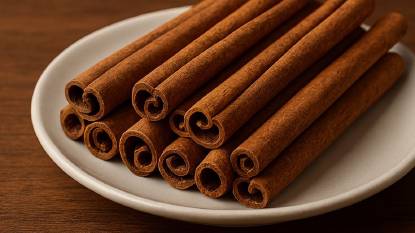


Cinnamon, the aromatic inner bark of a tropical evergreen tree, has captivated civilizations for millennia. From its use as a luxurious perfume by wealthy Romans to its reputation as an aphrodisiac, this spice has journeyed through history as both a culinary treasure and a cultural symbol.
🌧️ Harvesting Cinnamon: Nature’s Timing
Cinnamon is harvested during the rainy season, when the bark becomes soft and pliable. Skilled harvesters carefully strip the outer bark to reveal the fragrant inner layer. Once removed, the bark is dried, curling naturally into long, elegant quills. These quills are then:
- ✂️ Cut into sticks for culinary and decorative use
- ⚙️ Ground into powder for baking, beverages, and spice blends
The drying process not only intensifies the aroma but also determines the final quality and appearance of the cinnamon.
🌍 Types of Cinnamon: Ceylon vs. Cassia
There are two primary types of cinnamon available on the global market:
🧭 Ceylon Cinnamon (Cinnamomum zeylanicum)
Often referred to as “true cinnamon,” Ceylon originates from Sri Lanka (formerly Ceylon). Its name is believed to have been popularized by 16th-century Portuguese explorers who, upon discovering the spice on the island, began exporting it in vast quantities to Europe.
Characteristics:
- 🎨 Buff-colored bark with a delicate texture
- 🍬 Mild, sweet flavor profile
- 🧪 Lower levels of coumarin (a compound that can be harmful in large doses)
- 🏆 Considered premium-grade due to its subtle taste and layered quills
The lighter the bark, the higher the quality—making Ceylon cinnamon a favorite among chefs and health-conscious consumers.
🔥 Cassia Cinnamon (Cinnamomum cassia)
Cassia is more widely available and commonly used in commercial food production. It hails from China and Indonesia and is known for its robust flavor and thicker bark.
Characteristics:
- 🟥 Dark reddish-brown bark with a hard texture
- 🍫 Strong, slightly bitter and pungent taste
- ⚗️ Higher coumarin content
- 💰 More affordable and widely distributed
Cassia’s bold flavor makes it ideal for spiced dishes, baked goods, and savory applications where intensity is key.
🧂 Nutritional Information
Cinnamon is not only flavorful—it’s also packed with essential nutrients. Here’s a breakdown per 1 teaspoon (2.6g) of ground cinnamon:
| 🧪 Nutrient | 💡 Amount per 1 tsp |
|---|---|
| Calories | 6.4 kcal |
| Carbohydrates | 2.1 g |
| Dietary Fiber | 1.4 g |
| Sugars | 0.1 g |
| Protein | 0.1 g |
| Fat | 0 g |
| Calcium | 26 mg |
| Iron | 0.2 mg |
| Magnesium | 1.6 mg |
| Potassium | 11.2 mg |
| Vitamin C | Trace |
| Vitamin A | Trace |
| Manganese | Significant |
🔍 Key Highlights:
- 🧠 Rich in antioxidants and manganese, which support brain and bone health
- 💓 May help regulate blood sugar and reduce inflammation
- 🧼 Contains antimicrobial compounds that support immune function
- 🧘 Very low in calories and fat—ideal for health-conscious diets
🍽️ Culinary Uses and Health Benefits
Cinnamon enhances both sweet and savory dishes, including:
- 🥧 Apple pies, cinnamon rolls, and desserts
- 🍛 Curries, stews, and rice dishes
- ☕ Teas, coffees, and mulled wines
Its health benefits include:
- 💪 Anti-inflammatory and antioxidant properties
- 🩺 Potential blood sugar regulation
- 🦠 Natural antimicrobial effects
- 🧬 Support for metabolic and cognitive health
Cinnamon’s value in ancient trade rivaled that of gold. It was a prized gift for monarchs and deities, and its origins were once shrouded in mystery to protect its lucrative trade routes. From Egyptian embalming rituals to medieval medicine, cinnamon has played a role far beyond the kitchen.
Whether you’re sprinkling it on your morning oats or infusing it into a rich curry, cinnamon offers more than just flavor—it brings centuries of tradition, health benefits, and sensory delight. Choosing between Ceylon and Cassia depends on your culinary goals, but both types carry the unmistakable warmth that makes cinnamon a global favorite.
Featured Articles
Explore rich culinary stories, exclusive chef interviews, and expert insights from kitchens around the world. Discover cooking techniques, ingredient spotlights, and behind-the-scenes looks at the tools that shape global cuisine.

Georges Auguste Escoffier: Visionary Chef Who Revolutionized French Cuisine and Modern Cooking
Discover the life and legacy of Georges Auguste Escoffier, the legendary chef who transformed French cuisine and laid the foundation for modern culinary arts. This comprehensive historical profile …

How to Use a Knife, Fork, and Spoon
Master the basics of Western table etiquette with this guide to using a knife, fork, and spoon. Learn practical tips, cultural context, and the subtle rules that shape how we dine.

The History of Chocolate
Trace the fascinating history of chocolate—from its ancient origins with the Olmecs and Maya to its transformation into a global indulgence. Explore how cacao evolved from sacred ceremonial drink to …
Georges Auguste Escoffier: Visionary Chef Who Revolutionized French Cuisine and Modern Cooking
Discover the life and legacy of Georges Auguste Escoffier, the legendary chef who …
How to Use a Knife, Fork, and Spoon
Master the basics of Western table etiquette with this guide to using a knife, fork, and …
The History of Chocolate
Trace the fascinating history of chocolate—from its ancient origins with the Olmecs and …