Chinese Five Spice Powder

By: Simon
May 8, 2022 | Updated: February 17, 2026
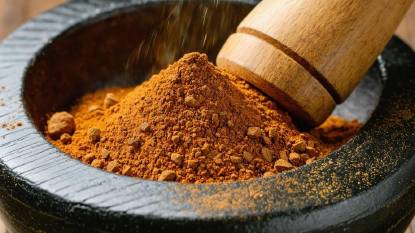


Chinese Five Spice: Origins, Composition, and Culinary Uses
Chinese Five Spice is a bold, aromatic blend that traces its roots back to ancient China, where it was developed to reflect the five fundamental flavors of traditional Chinese philosophy: sweet, sour, bitter, pungent, and salty. This balanced approach to flavor is deeply embedded in Chinese medicine and culinary theory, aiming to create harmony in both taste and digestion.
The classic formulation includes equal parts of five potent spices:
- Szechwan (Sichuan) peppercorns – known for their unique numbing heat and citrusy aroma
- Star anise – a sweet, licorice-like spice with a warm, exotic fragrance
- Fennel seeds – mildly sweet and earthy, often associated with Mediterranean and Asian cooking
- Cloves – intensely aromatic with a sharp, slightly bitter edge
- Cinnamon – warm, sweet, and woody, rounding out the blend with comforting depth
Together, these ingredients create a complex, layered profile that’s instantly recognizable in Chinese cuisine. While the ratio may vary slightly depending on regional preferences or brand formulations, the goal remains the same: to deliver a full-spectrum flavor experience.
Culinary Applications
Chinese Five Spice is most commonly used as a dry rub or marinade base for meats such as pork, duck, and beef. It’s a staple in dishes like char siu (Chinese BBQ pork) and Peking duck, where its aromatic intensity enhances caramelization and depth of flavor. When combined with soy sauce, rice wine, or hoisin, it forms the backbone of many traditional sauces and glazes.
Beyond barbecue, the blend is also used in:
- Braised dishes – adding warmth and complexity to slow-cooked meats and stews
- Roasted vegetables – especially root vegetables like carrots, sweet potatoes, or squash
- Baking – incorporated into spice cakes, cookies, or even chocolate for a unique twist
- Condiment dips – when mixed with salt and sometimes chili powder, it becomes a flavorful dip for deep-fried foods like spring rolls or crispy tofu
Cultural Significance
Chinese Five Spice isn’t just a seasoning—it’s a reflection of culinary philosophy. Its use spans centuries and regions, from Cantonese kitchens to Sichuan street stalls. The blend’s symbolic connection to the five elements (wood, fire, earth, metal, and water) and its role in balancing yin and yang in food preparation make it more than just a flavor enhancer—it’s a cultural artifact.
Modern Adaptations
Today, Chinese Five Spice has found its way into global fusion cuisine. Chefs use it to season ribs, add depth to cocktails, or infuse oils and syrups. Its versatility and boldness make it a favorite among adventurous cooks and food enthusiasts seeking to elevate everyday dishes with a touch of Eastern flair.
Featured Articles
Explore rich culinary stories, exclusive chef interviews, and expert insights from kitchens around the world. Discover cooking techniques, ingredient spotlights, and behind-the-scenes looks at the tools that shape global cuisine.

Georges Auguste Escoffier: Visionary Chef Who Revolutionized French Cuisine and Modern Cooking
Discover the life and legacy of Georges Auguste Escoffier, the legendary chef who transformed French cuisine and laid the foundation for modern culinary arts. This comprehensive historical profile …

How to Use a Knife, Fork, and Spoon
Master the basics of Western table etiquette with this guide to using a knife, fork, and spoon. Learn practical tips, cultural context, and the subtle rules that shape how we dine.

The History of Chocolate
Trace the fascinating history of chocolate—from its ancient origins with the Olmecs and Maya to its transformation into a global indulgence. Explore how cacao evolved from sacred ceremonial drink to …
Georges Auguste Escoffier: Visionary Chef Who Revolutionized French Cuisine and Modern Cooking
Discover the life and legacy of Georges Auguste Escoffier, the legendary chef who …
How to Use a Knife, Fork, and Spoon
Master the basics of Western table etiquette with this guide to using a knife, fork, and …
The History of Chocolate
Trace the fascinating history of chocolate—from its ancient origins with the Olmecs and …