Bonito

By: Simon
February 12, 2019 | Updated: February 17, 2026
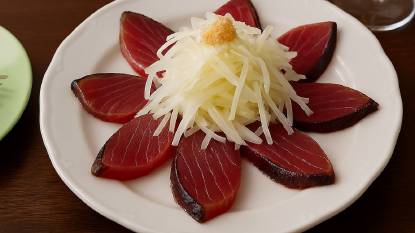


🍣 Bonito: A Cornerstone of Japanese Cuisine
Bonito is a type of tuna, which is a member of the mackerel family, and one of the most important fish in Japanese cuisine. Rarely eaten fresh, the dark, oily meat is dried into very hard cubes, which must be ground or shaved with a special tool before use.
Bonito shavings form the base for many Japanese sauces and stocks (such as dashi, made with bonito and seaweed). It can be bought in flakes, also known as katsuobushi, which have a strong, salty flavor and a tan color. The flakes are frequently sprinkled over boiled or steamed vegetables and into soups.
🔍 What Is Bonito?
Bonito refers to several species of medium-sized predatory fish in the Scombridae family, closely related to tuna and mackerel. In Japanese cuisine, the term typically refers to skipjack tuna (Katsuwonus pelamis), which is processed into katsuobushi—a dried, fermented, and smoked product that is essential to traditional Japanese cooking.
🍜 Culinary Uses of Bonito
Bonito is revered for its umami-rich flavor and versatility. Here are some of its most common applications:
- Dashi broth: A foundational stock made from bonito flakes and kombu (kelp), used in miso soup, noodle broths, and simmered dishes.
- Okonomiyaki & Takoyaki toppings: Bonito flakes are sprinkled on top of savory pancakes and octopus balls, where they appear to “dance” from the heat.
- Vegetable seasoning: Adds depth to boiled spinach, daikon, or tofu dishes.
- Rice and noodle garnish: Enhances plain rice or cold soba with a smoky, salty kick.
🧂 Flavor Profile
Katsuobushi has a smoky, salty, and deeply savory taste due to its fermentation and smoking process. The flakes are paper-thin and light brown, and they release a rich aroma when added to hot dishes.
🧬 Nutritional Information (per 10g of dried bonito flakes)
| Nutrient | Amount | % Daily Value* |
|---|---|---|
| Calories | 35 kcal | 2% |
| Protein | 7.5 g | 15% |
| Fat | 0.3 g | <1% |
| Carbohydrates | 0 g | 0% |
| Sodium | 250 mg | 10% |
| Vitamin B12 | 2.4 µg | 100% |
| Niacin (B3) | 4.5 mg | 28% |
| Selenium | 18 µg | 33% |
*Percent Daily Values are based on a 2,000 calorie diet.
Bonito is exceptionally high in protein and vitamin B12, making it a valuable addition to low-carb and high-protein diets. It’s also rich in selenium, an antioxidant that supports immune function.
🧪 Health Benefits
✅ Rich in Umami: Bonito is a natural source of inosinate, a compound that enhances savory flavors and reduces the need for added salt.
✅ Low in Calories: Ideal for flavoring dishes without adding bulk or fat.
✅ Supports Brain Health: High levels of B vitamins and omega-3s contribute to cognitive function.
✅ Digestive Aid: Traditional Japanese medicine considers dashi a gentle tonic for digestion.
🛒 Buying & Storing Tips
- Look for freshness: Bonito flakes should be dry, crisp, and aromatic. Avoid flakes that are damp or dull in color.
- Storage: Keep in an airtight container in a cool, dry place. Refrigeration can extend shelf life.
- Forms available: Whole blocks (for shaving), thin flakes, thick-cut flakes (atsukezuri), and powdered bonito.
🌍 Cultural Significance
In Japan, bonito is more than just an ingredient—it’s a symbol of culinary heritage. The traditional method of making katsuobushi involves months of drying and fermenting, and artisans in regions like Makurazaki and Yaizu have passed down these techniques for generations.
Bonito is a cornerstone of Japanese cooking, prized for its intense umami flavor and nutritional value. Whether you’re crafting a delicate dashi broth or adding a smoky flourish to your vegetables, katsuobushi delivers depth, tradition, and health benefits in every flake. 🇯🇵🐟
Featured Articles
Explore rich culinary stories, exclusive chef interviews, and expert insights from kitchens around the world. Discover cooking techniques, ingredient spotlights, and behind-the-scenes looks at the tools that shape global cuisine.

Georges Auguste Escoffier: Visionary Chef Who Revolutionized French Cuisine and Modern Cooking
Discover the life and legacy of Georges Auguste Escoffier, the legendary chef who transformed French cuisine and laid the foundation for modern culinary arts. This comprehensive historical profile …

How to Use a Knife, Fork, and Spoon
Master the basics of Western table etiquette with this guide to using a knife, fork, and spoon. Learn practical tips, cultural context, and the subtle rules that shape how we dine.

The History of Chocolate
Trace the fascinating history of chocolate—from its ancient origins with the Olmecs and Maya to its transformation into a global indulgence. Explore how cacao evolved from sacred ceremonial drink to …
Georges Auguste Escoffier: Visionary Chef Who Revolutionized French Cuisine and Modern Cooking
Discover the life and legacy of Georges Auguste Escoffier, the legendary chef who …
How to Use a Knife, Fork, and Spoon
Master the basics of Western table etiquette with this guide to using a knife, fork, and …
The History of Chocolate
Trace the fascinating history of chocolate—from its ancient origins with the Olmecs and …