African Breakfast

By: Simon
July 20, 2026 | Updated: July 22, 2026

Africa is a continent of extraordinary culinary diversity, and its breakfast traditions are no exception. Stretching from the Mediterranean coast to the Cape of Good Hope, the continent’s morning meals reflect a rich tapestry of indigenous ingredients, colonial influences, and regional agricultural practices. While the specific dishes vary enormously, what unites them is a reliance on locally available grains, legumes, and fresh produce. To explore all the morning traditions from around the world, visit our breakfast hub. Continue your journey with Australian Breakfast, where Vegemite on toast and the iconic bacon and egg roll define the morning Down Under.
North Africa: Ful Medames and Beyond
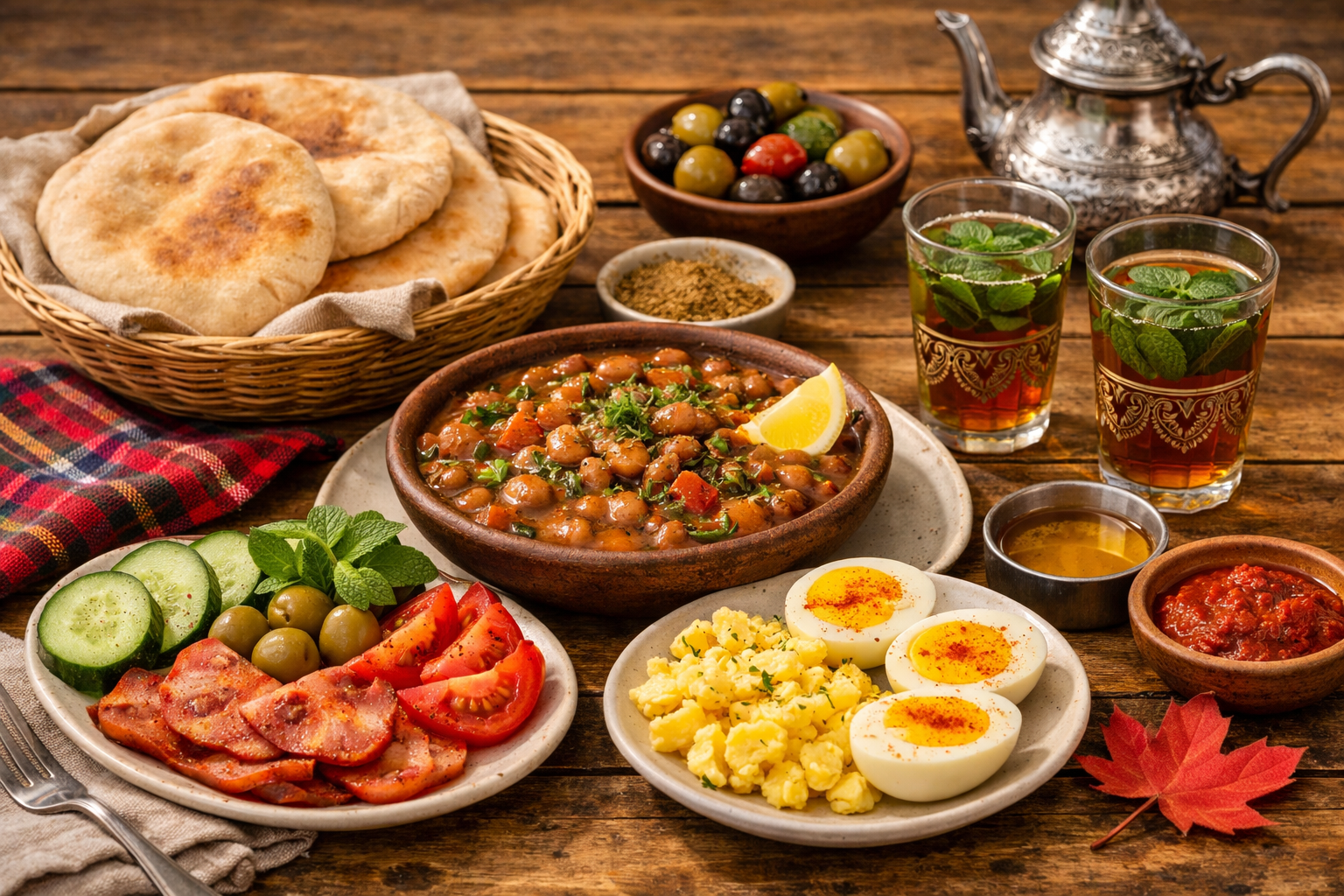
In Northern Africa, where culinary traditions share much in common with the Middle East, breakfasts are typically built around tea or coffee and breads made from sorghum or millet. The standout dish of the region is ful medames, a slow-cooked fava bean stew seasoned with olive oil, garlic, lemon juice, and cumin. Widely regarded as the national dish of Egypt, ful medames has been a staple of the Egyptian breakfast table since Pharaonic times. It is typically served with warm pita bread, fresh vegetables, and sometimes a boiled egg on the side.
In Morocco and Tunisia, breakfast often features msemen (a flaky, pan-fried flatbread) or harcha (a semolina griddle cake), served with honey, jam, or soft cheese, accompanied by mint tea or strong coffee.
East and West Africa: Uji and Cornmeal Gruel
Across East and West Africa, breakfast most often includes uji, a thin gruel made from cassava, millet, rice, or corn, depending on the region. Cornmeal gruel is the most common variety, made by pounding fresh corn, then squeezing out the starch before cooking.
The preparation and consumption of uji varies widely. In some regions, peanuts are ground into the cornmeal to add protein and flavour. In Kenya and Tanzania, uji (also known as uji wa wimbi when made with millet flour) is a popular breakfast, often sweetened with sugar and enjoyed by children and adults alike.
In Madagascar, breakfasters might enjoy kitoza alongside their gruel, a delicacy of dried strips of beef that are grilled over a charcoal fire. Fresh fruits, where available, are always popular additions to the morning meal across the continent.
The Colonial Influence
In urban areas across Africa, European-style breakfasts are not uncommon. The years of European colonization, especially by the French and the British, left a lasting mark on breakfast habits. In West Africa, mornings often follow the French or Continental model, a simple affair of bread, butter, and jam with coffee, while in East and Southern Africa, the larger English breakfast (eggs, bacon, grilled tomatoes) has left its influence.
This colonial legacy has created a fascinating hybrid: traditional African ingredients prepared in European-inspired formats, resulting in unique dishes that are neither purely African nor purely European, but something new altogether.
Modern African Breakfast
Today, African breakfast traditions continue to evolve. Urbanisation and globalisation have introduced new ingredients and conveniences, but the core principles remain: breakfast is built around fresh, locally sourced ingredients, prepared with care, and shared with family. From the bustling streets of Lagos, where fried plantains and yam porridge (“ojojo”) are sold from street stalls, to the cafes of Nairobi offering Kenyan-style chai with mandazi (fried dough), African breakfast is as vibrant and varied as the continent itself.
African Breakfast Video
Featured articles
Explore rich culinary stories, exclusive chef interviews, and expert insights from kitchens around the world. Discover cooking techniques, ingredient spotlights, and behind-the-scenes looks at the tools that shape global cuisine.
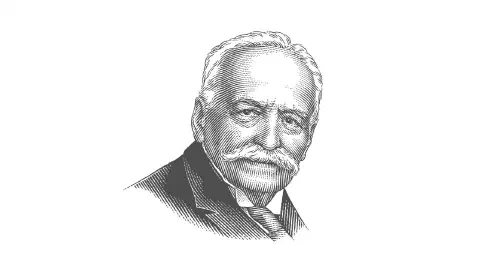
Georges Auguste Escoffier: Visionary Chef Who Revolutionized French Cuisine and Modern Cooking
Discover the life and legacy of Georges Auguste Escoffier, the legendary chef who transformed French cuisine and laid the foundation for modern culinary arts. This comprehensive historical profile …

How to Use a Knife, Fork, and Spoon
Master the basics of Western table etiquette with this guide to using a knife, fork, and spoon. Learn practical tips, cultural context, and the subtle rules that shape how we dine.

The History of Chocolate
Trace the fascinating history of chocolate, from its ancient origins with the Olmecs and Maya to its transformation into a global indulgence. Explore how cacao evolved from sacred ceremonial drink to …
Georges Auguste Escoffier: Visionary Chef Who Revolutionized French Cuisine and Modern Cooking
Discover the life and legacy of Georges Auguste Escoffier, the legendary chef who …
How to Use a Knife, Fork, and Spoon
Master the basics of Western table etiquette with this guide to using a knife, fork, and …
The History of Chocolate
Trace the fascinating history of chocolate, from its ancient origins with the Olmecs and …