🔥 And So, the Wok: How Fuel Scarcity Forged a Culinary Icon

By: Simon
August 27, 2025 | Updated: February 17, 2026


🌾 Rice, Land, and the Limits of Firewood
Rice cultivation has shaped the demographic and ecological destiny of Asia for over 7,000 years. But the method of cultivation matters profoundly.
- Dryland rice farming, practiced in parts of upland Southeast Asia and Africa, relies on slash-and-burn techniques. It’s land-intensive, low-yield, and ecologically disruptive—supporting only 13 to 52 people per square kilometer.
- Paddy rice farming, dominant in southern China, Vietnam, and the Ganges basin, uses flooded fields and continuous labor. It’s far more productive, sustaining populations of 500+ per square kilometer—but it comes at a cost: deforestation.
As paddy systems expanded, forests were cleared not just for farmland, but for irrigation infrastructure. The result? A chronic shortage of firewood. In regions like Guangdong, Guangxi, and Fujian, the ecological tradeoff was stark: rice or fuel. Rice won.
🔥 The Fuel Constraint That Changed Cooking Forever
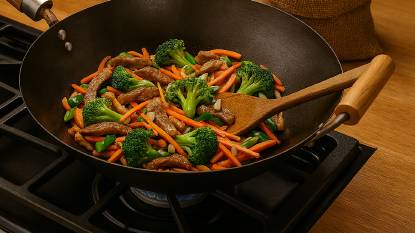
Faced with fuel scarcity, southern Chinese cooks didn’t just adapt—they innovated. The wok wasn’t a cultural flourish. It was a technological solution.
Why the Wok Was a Breakthrough
- Fuel Efficiency: The wok’s rounded base concentrates heat, requiring less wood or charcoal to reach high temperatures.
- Speed Cooking: Stir-frying takes minutes—ideal when fuel is scarce and rice must be boiled separately.
- Thermal Versatility: Its shape supports deep-frying, steaming, braising, and smoking—all with minimal fuel.
- Portability: Woks could be used over open fires, clay stoves, or portable braziers, making them ideal for urban kitchens and itinerant vendors.
This wasn’t just culinary evolution—it was ecological engineering. The wok allowed dense populations to cook fast, eat well, and conserve fuel.
🍚 Rice as Anchor, Wok as Engine
In southern Chinese food culture, rice is the constant. The wok is the variable.
- Rice is steamed in bulk, often in stacked bamboo baskets or metal pots.
- Side dishes—vegetables, meat, aromatics—are wok-fired, layered with flavor in seconds.
- Meal structure reflects fuel logic: one fuel-intensive staple, many fuel-efficient accompaniments.
This division of labor between rice and wok cooking created one of the world’s most efficient culinary systems—nutritionally complete, ecologically responsive, and endlessly adaptable.
🌍 Comparative Context: Fuel-Efficient Cooking Across Cultures
China wasn’t alone in facing fuel constraints. Other civilizations responded with their own innovations:
| Region | Fuel Scarcity Response | Cooking Vessel |
|---|---|---|
| North Africa | Low-moisture stews | Tagine (conical lid traps steam) |
| India | High-heat breads and tandoori | Tandoor (vertical clay oven) |
| Japan | Minimalist simmering | Donabe (ceramic pot) |
| Andes | Altitude-adapted boiling | Clay olla (slow cooking) |
But the wok stands out for its speed, versatility, and scalability—perfectly matched to the demands of urban density and rice-based diets.
📚 Further Reading
For a deeper dive into the cultural and historical significance of the wok, see the book by Margaret Visser, Much Depends on Dinner: The Extraordinary History and Mythology, Allure and Obsessions, Perils and Taboos of an Ordinary Meal. (sponsored link). New York: Collier Books, 1986 (pp. 161–163)
Eveything you need to know about the Wok [Video]
Featured Articles
Explore rich culinary stories, exclusive chef interviews, and expert insights from kitchens around the world. Discover cooking techniques, ingredient spotlights, and behind-the-scenes looks at the tools that shape global cuisine.
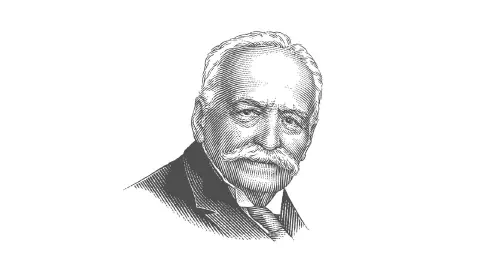
Georges Auguste Escoffier: Visionary Chef Who Revolutionized French Cuisine and Modern Cooking
Discover the life and legacy of Georges Auguste Escoffier, the legendary chef who transformed French cuisine and laid the foundation for modern culinary arts. This comprehensive historical profile …
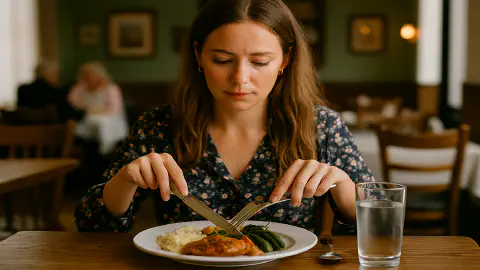
How to Use a Knife, Fork, and Spoon
Master the basics of Western table etiquette with this guide to using a knife, fork, and spoon. Learn practical tips, cultural context, and the subtle rules that shape how we dine.

The History of Chocolate
Trace the fascinating history of chocolate—from its ancient origins with the Olmecs and Maya to its transformation into a global indulgence. Explore how cacao evolved from sacred ceremonial drink to …
Georges Auguste Escoffier: Visionary Chef Who Revolutionized French Cuisine and Modern Cooking
Discover the life and legacy of Georges Auguste Escoffier, the legendary chef who …
How to Use a Knife, Fork, and Spoon
Master the basics of Western table etiquette with this guide to using a knife, fork, and …
The History of Chocolate
Trace the fascinating history of chocolate—from its ancient origins with the Olmecs and …