To Barbeque

By: Simon
May 9, 2022 | Updated: February 17, 2026
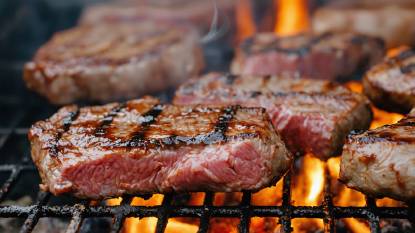


If your dad is anything like mine, you’ve always known where not to find him — in the kitchen. Cooking is women’s work, after all. Indoor cooking is, at least. Now outdoor cooking, barbequing, that’s a man’s job. “Barbeque” for Dad is anything cooked over a fire. But Carolyn Wells, author of three barbeque cookbooks and co-founder of the Kansas City Barbeque Society, the world’s largest organization of barbeque enthusiasts, would disagree. “Barbeque is slow and low,” Wells says, “grilling is hot and fast.”
So those weren’t barbequed burgers we were eating all those years. They were grilled burgers — grilled with a vengeance. Dad doesn’t think a burger is done until his spatula has pressed out every last drop of moisture. What would a barbequer say?
Any barbequer would have quite a bit to say for a true barbequer is contentious and there’s a lot to argue about. No one can agree on the word’s spelling: barbeque, barbecue, bar-b-que, bar-b-q, BBQ. (George Washington spelled it barbicue.) The origin of the word, too, is debated: some say it’s derived from barbacoa, the Spanish version of an Amerindian word having to do with roasting; others contend it’s from the French phrase barbe a queue, meaning beard to tail; still others claim it came from a wealthy rancher with the initials B.Q., who was famous for the whole hogs, sheep, and steers he would roast over a pit. Whatever the word’s origin, to the people who cook it, barbeque is more than just a food, it’s a religion. And in the United States, there are three religions of barbeque, each with its one true sauce. There’s the tomato-based sauce used throughout most of the country; there’s the mustard-based sauce of South Carolina; and there’s the vinegar and pepper sauce of eastern North Carolina.
One of the holy cities of barbeque is Kansas City. “Kansas City is the melting pot of barbeque,” Carolyn Wells says. “It’s the combination of all the regional styles and flavors. In the south and southeast, they do primarily pork. In Texas, they do primarily beef brisket. In Kansas City, we cook it all.”
Barbeque is frequently smoked, though what to smoke it with is another bone of contention. Most people use hickory, but mesquite is growing in popularity. Barbequers in West Texas have been smoking with this spiny shrub for years. But mention mesquite to Texan Liz Justice, and she’ll sneer and say, “It’s not like we want to use mesquite, it’s just that it’s all we have. Hell, if we had hickory in Texas, we’d use that instead.”
Try making this barbeque sauce for Dear Old Dad this Father’s Day.
It’s from the Kansas City Barbeque Society Cookbook (sponsored link): Barbeque…It’s Not Just for Breakfast Anymore.
BARBEQUE DIPPING SAUCE
Yield: 2 1/2 cups
Ingredients:
- 2 cups catsup Juice of 1 lemon
- 1/2 cup apple cider vinegar
- Salt and pepper to taste
- 1/4 cup packed light brown sugar
Method:
- Combine catsup, vinegar, brown sugar, lemon juice, salt and pepper in saucepan; mix well.
- Simmer just until heated through, stirring occasionally.
- Serve hot or cold as dipping sauce for chicken or pork.
By Steve Morgan, Vienna Volunteer Fire Department Cooking Team
Here’s another recipe. It’s for a dry rub, which you use to season the meat before cooking.
BARBEQUE PORK RUB
Yield: 3 cups
Ingredients:
- 1 cup packed dark brown sugar
- 1 cup celery salt
- 1/2 cup paprika
- 3 tablespoons chili powder
- 2 tablespoons black pepper
- 1 tablespoon lemon pepper
- 1 teaspoon garlic powder
- 1/2 teaspoon cinnamon
- 1/4 teaspoon cayenne
Method:
- Combine brown sugar, celery salt, paprika, chili powder, black pepper, lemon pepper, garlic powder, cinnamon and cayenne in bowl; mix well.
- Rub liberally over your favorite cut of pork.
- Let stand at room temperature for up to 15 minutes or marinate in refrigerator for up to 24 hours.
- Store rub in airtight container.
By John Harvey
Featured Articles
Explore rich culinary stories, exclusive chef interviews, and expert insights from kitchens around the world. Discover cooking techniques, ingredient spotlights, and behind-the-scenes looks at the tools that shape global cuisine.
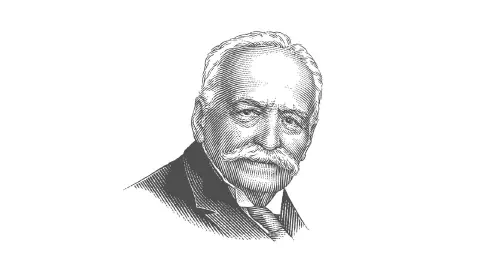
Georges Auguste Escoffier: Visionary Chef Who Revolutionized French Cuisine and Modern Cooking
Discover the life and legacy of Georges Auguste Escoffier, the legendary chef who transformed French cuisine and laid the foundation for modern culinary arts. This comprehensive historical profile …
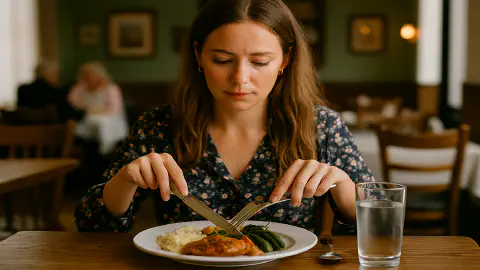
How to Use a Knife, Fork, and Spoon
Master the basics of Western table etiquette with this guide to using a knife, fork, and spoon. Learn practical tips, cultural context, and the subtle rules that shape how we dine.

The History of Chocolate
Trace the fascinating history of chocolate—from its ancient origins with the Olmecs and Maya to its transformation into a global indulgence. Explore how cacao evolved from sacred ceremonial drink to …
Georges Auguste Escoffier: Visionary Chef Who Revolutionized French Cuisine and Modern Cooking
Discover the life and legacy of Georges Auguste Escoffier, the legendary chef who …
How to Use a Knife, Fork, and Spoon
Master the basics of Western table etiquette with this guide to using a knife, fork, and …
The History of Chocolate
Trace the fascinating history of chocolate—from its ancient origins with the Olmecs and …