The Secret of the Formal Place Setting

By: Simon
February 12, 2019 | Updated: February 17, 2026
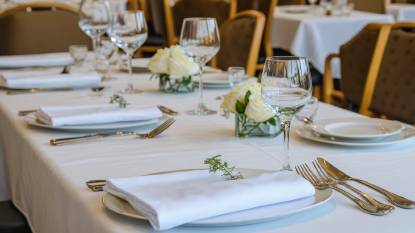


When sitting down to a formal dinner, there is one thing people fear more than anything else. Is it spilling soup down the front of their pants? Loudly burping during dinner? Well, yes, people fear those things, too. However, most people would agree that choosing the right eating utensil for the right course of the meal is also high up on their list of worries.
There is a simple solution to this dilemma, however. As any book on dining etiquette will point out, you need simply start on the outside and work your way in towards your plate.
Unless an error was made on the part of your host, a formal table setting will include only the silverware necessary for the meal you are about to eat, and they will be arranged in the correct positions. If for some reason, your host has made an error in his or her choice of utensils, be classy, and certainly don’t point that out.
Your first dish will correspond with the first utensil to be used – again, this utensil will be furthest from the dish. As each course is eaten and the dish cleared away, the utensil will be removed with it. That will help eliminate any confusion on when to stop using a certain utensil. Remember, clean utensils will always be brought out for later courses. You will never need to keep your fork or spoon to the side for later use!
Pick up any etiquette book off the shelf, and you will find photos of the correct place settings for a formal dinner. The pictures may vary slightly from book to book dependent upon how many courses for which the setting is laid, but the basic arrangement in each will be very similar.
Proper place settings and dinner etiquette have been around for centuries, and there has been little change in them in all that time. One of the most popular books on etiquette – Miss Manners by Judith Martin (sponsored link) - features a place setting including a “service plate” that has endured for over a century.
Meal Courses and Their Utensils
The following is guide on what to expect from a formal dinner and gives you a brief guide on how to properly use your utensils.
First Course: Appetizers
There are many appetizers which may be served at a formal meal. One of the most popular is a dish of oysters. For this course, you should find a small fork to the right of your plate. This should be the only fork to the right; all others will be laid to the left. It is often placed against the soup spoon.
Second Course: Soup
This one is easy. It’s a spoon – likely the only one at your setting.
Third Course: Salad
This should be the fork furthest from your plate. It usually has one particularly thick tine on the left-hand side. It allows the fork to act as a knife for tougher veggies in your salad.
Fourth Course: Fish
For fish, use both the fork and the knife in the setting. This knife will likely be silver or stainless steel. It is a short fork, which sets it apart from the fork used for meat.
Fifth Course: Meat
The longer fork and the knife used for meat should both be closest to your plate on their respective sides.
Final Course: Dessert
It is rare that utensils for dessert are laid out with the original place setting; more often, they are brought out as the dessert itself is brought to the table. In instances where they are laid in the initial setting, however, the spoon and fork are placed parallel to one another, horizontally across the plate, the fork pointing to the right and the spoon to the left.
Finally, if coffee and/or tea are served after dessert, don’t fear. A teaspoon will be provided with the drink, usually placed on the saucer.
Hopefully you will remember this example the next time you’re panicking at dinner; however, if nothing else stays with you, simply remember this: Eat from the outside in!
Learn How to Set a Formal Dinner Table
Featured Articles
Explore rich culinary stories, exclusive chef interviews, and expert insights from kitchens around the world. Discover cooking techniques, ingredient spotlights, and behind-the-scenes looks at the tools that shape global cuisine.
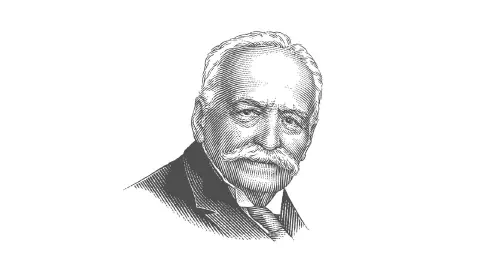
Georges Auguste Escoffier: Visionary Chef Who Revolutionized French Cuisine and Modern Cooking
Discover the life and legacy of Georges Auguste Escoffier, the legendary chef who transformed French cuisine and laid the foundation for modern culinary arts. This comprehensive historical profile …

How to Use a Knife, Fork, and Spoon
Master the basics of Western table etiquette with this guide to using a knife, fork, and spoon. Learn practical tips, cultural context, and the subtle rules that shape how we dine.
The History of Chocolate
Trace the fascinating history of chocolate—from its ancient origins with the Olmecs and Maya to its transformation into a global indulgence. Explore how cacao evolved from sacred ceremonial drink to …
Georges Auguste Escoffier: Visionary Chef Who Revolutionized French Cuisine and Modern Cooking
Discover the life and legacy of Georges Auguste Escoffier, the legendary chef who …
How to Use a Knife, Fork, and Spoon
Master the basics of Western table etiquette with this guide to using a knife, fork, and …
The History of Chocolate
Trace the fascinating history of chocolate—from its ancient origins with the Olmecs and …